If you've ever tasted European candy alongside American candy, you know the difference is immediate. The chocolate is smoother. The gummies have better texture. The colors are less neon. This isn't coincidence — it's regulation, tradition, and fundamentally different ingredient philosophies.
The Key Differences at a Glance
- Sugar: Europe uses real sugar. America uses high-fructose corn syrup (HFCS)
- Colors: EU requires warning labels on artificial dyes — so most manufacturers switched to natural colorants
- Chocolate: EU mandates higher cocoa butter content. No vegetable fat substitutes
- Flavor philosophy: European candy favors complexity. American candy favors intensity
- Gelatin: European brands increasingly use plant-based alternatives
The Regulatory Divide That Created Two Candy Worlds
The most fundamental difference between European and American candy isn't about one continent having "better taste." It's about regulations. The EU and the US have fundamentally different approaches to food safety, and these differences shape every candy product you eat.
The EU operates on the precautionary principle: if there's credible evidence that an ingredient might cause harm, restrict it or require warning labels. The US FDA operates on a threshold principle: if an ingredient is below the level proven to cause harm, it's approved. Same ingredient, same science, completely different conclusions about what belongs in your candy.
This philosophical gap explains almost everything. It's why Red 40 requires a warning label in Europe but not in America. It's why European chocolate must contain more cocoa butter. It's why Swedish candy manufacturers moved to natural colorings decades before American brands felt any pressure to do the same.
Artificial Colors: The Most Visible Difference
Pick up a bag of American gummy bears and look at the ingredient list. You'll find Red 40, Yellow 5, Yellow 6, Blue 1 — synthetic dyes derived from petroleum. These dyes are cheap, stable, and produce the neon colors that line American candy aisles.
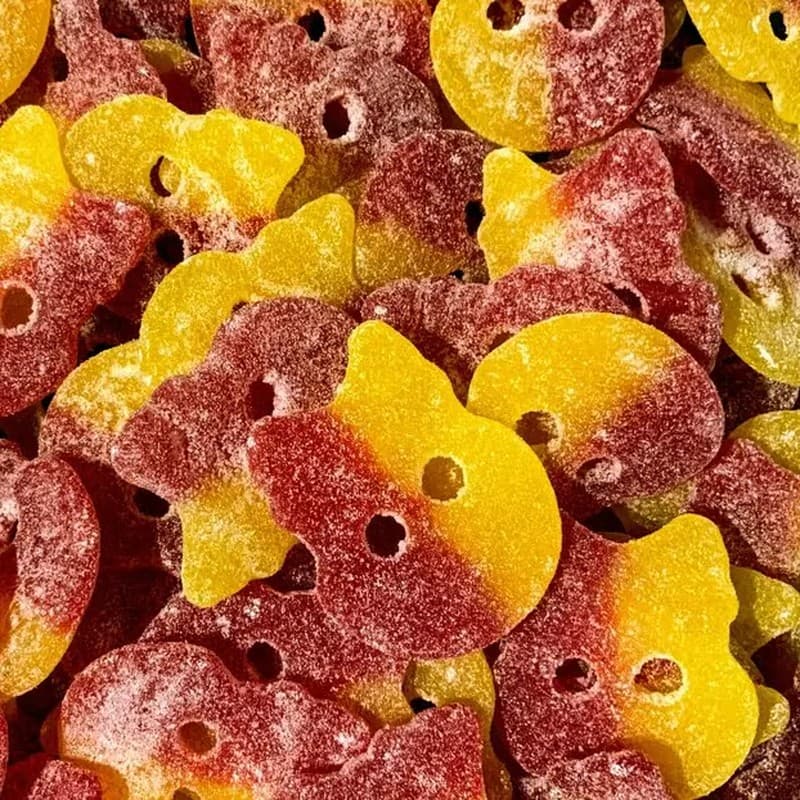
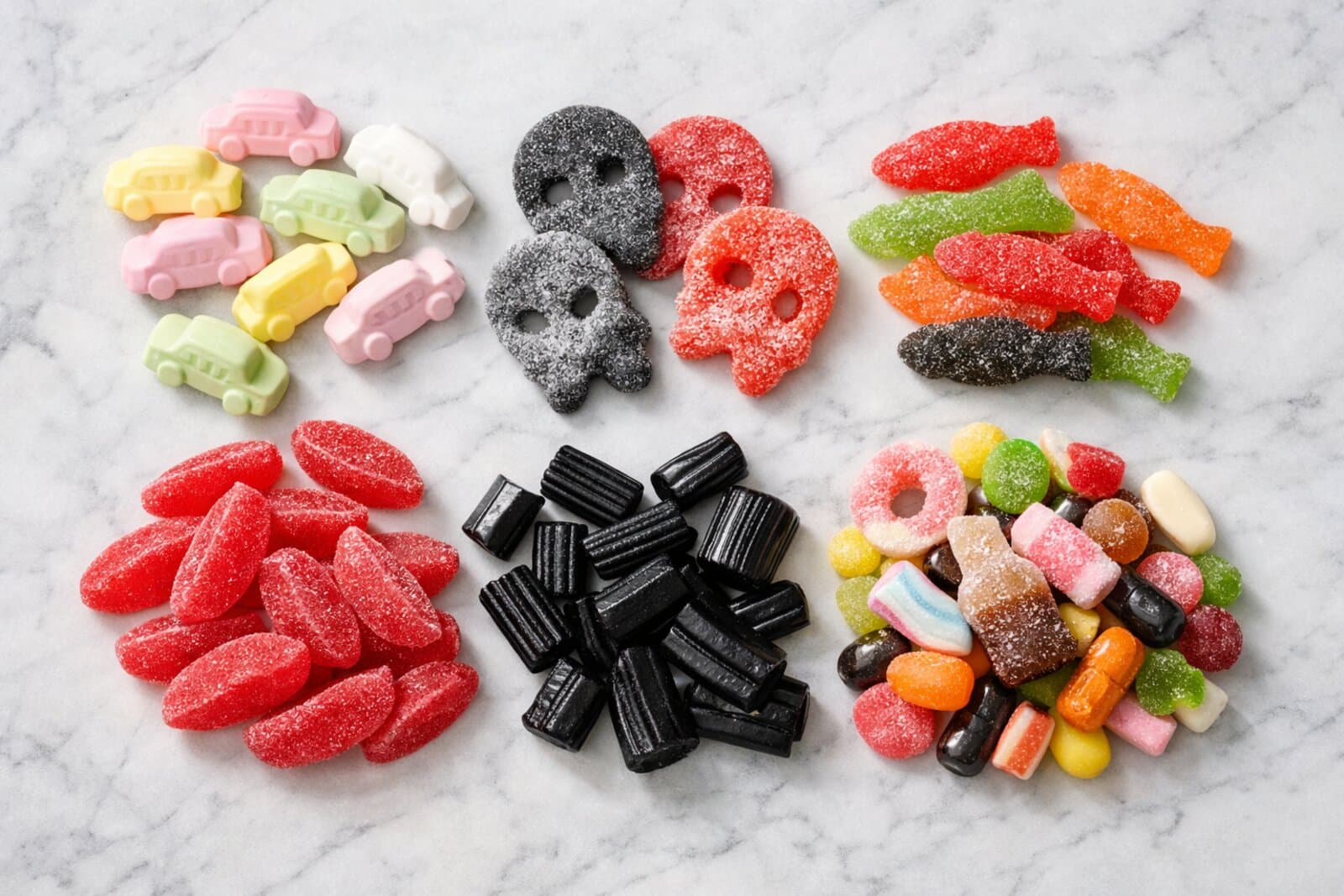
Now pick up a bag of BUBS Sour Skulls from Sweden. The colors come from fruit juice concentrates, beetroot extract, and spirulina. The gummies are slightly less vivid, but they contain zero synthetic dyes.
The EU didn't ban these dyes outright. Instead, it requires any product containing them to carry a warning: "may have an adverse effect on activity and attention in children." This warning is enough to kill sales. So European manufacturers switched to natural alternatives rather than explain to parents why their candy carries a health warning.
The practical result: virtually all Swedish candy uses natural colorings. American candy overwhelmingly uses synthetic dyes. Same candy categories, same consumer expectations, completely different ingredient lists. For a deep dive, see our full comparison of Swedish vs American food dyes.
Sugar vs. High-Fructose Corn Syrup
In the 1970s and 1980s, American food manufacturers discovered that high-fructose corn syrup (HFCS) was cheaper than sugar. It was also easier to transport (liquid vs. crystals) and extended shelf life. Within a decade, HFCS replaced sugar in most American processed foods, including candy.
European manufacturers never made this switch. EU regulations, combined with domestic sugar beet production and consumer expectations, kept real sugar in European candy. This isn't just a philosophical difference — it affects taste.
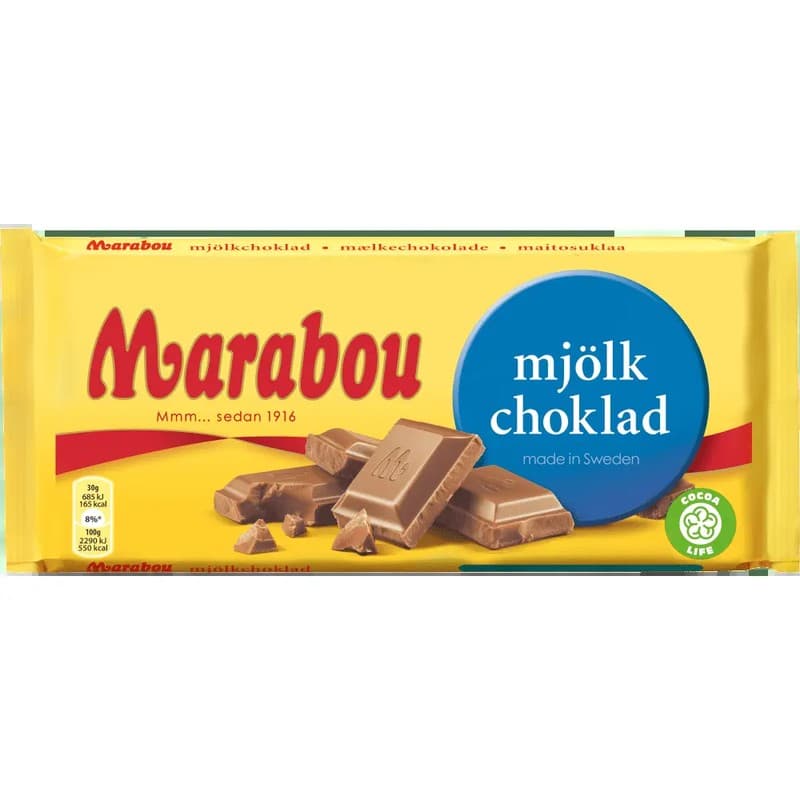
HFCS has a different sweetness profile than sugar. It's sweeter upfront but flatter — the sweetness doesn't develop the way sugar's does. It also has a characteristic aftertaste that people raised on sugar often find cloying. When Americans try Marabou chocolate or other European candy and say "this tastes cleaner," they're partly reacting to real sugar replacing HFCS.
The Chocolate Standards Gap
This is where the differences get really stark. EU chocolate regulations require minimum cocoa butter content and restrict the use of vegetable fat substitutes. American regulations are looser on both fronts.
The biggest specific difference: butyric acid. American chocolate manufacturers (Hershey's most famously) use a process that produces butyric acid — the same compound found in parmesan cheese and vomit. It gives American mass-market chocolate its distinctive tangy, slightly sour note. Europeans find it strange. Americans find it normal — because it's what they grew up with.
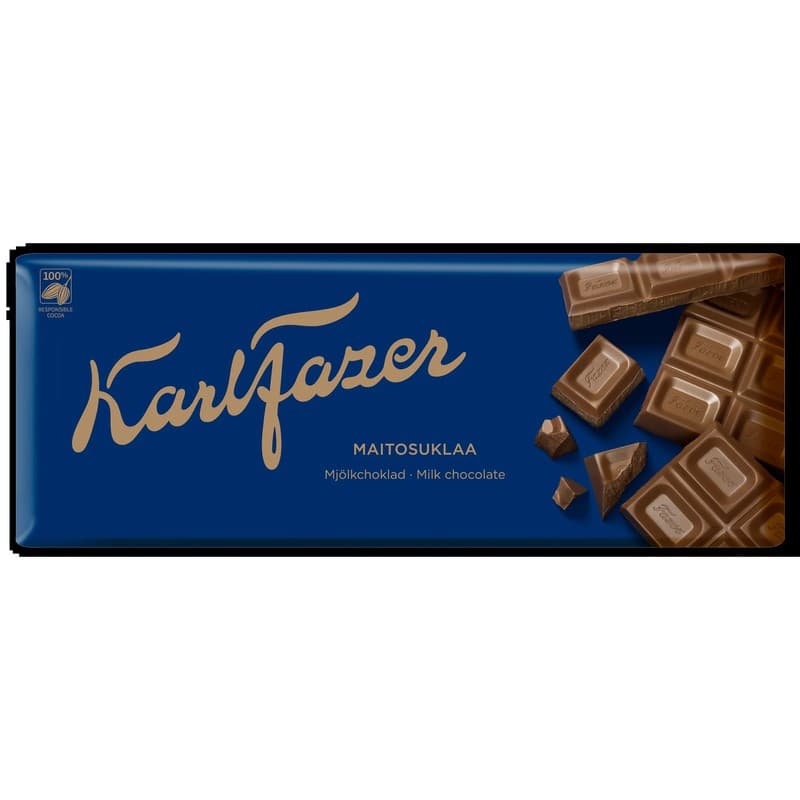
European chocolate contains no butyric acid. The result is what Americans often describe as "cleaner" or "smoother" chocolate. Swedish chocolate, Marabou, and Fazer all benefit from this difference.
The Texture Revolution: Gelatin vs. Plant-Based
American gummies are almost universally made with animal-derived gelatin. European gummies increasingly aren't. BUBS, one of Sweden's biggest candy brands, is entirely gelatin-free and plant-based. Other European manufacturers have followed suit.
The texture difference is noticeable. Gelatin creates a bouncy, springy chew. Plant-based alternatives (corn starch, potato protein, agar) create a softer, more dissolving texture that many people describe as "foamy." Swedish candy's characteristic texture — that gentle, pillowy quality — comes from this plant-based approach.
Neither texture is objectively better. But if you've only ever eaten gelatin gummies, plant-based Swedish gummies will feel genuinely novel. The foam quality is different enough to be interesting, and many people end up preferring it.
Flavor Philosophy: Complexity vs. Sweetness
American candy defaults to one strategy: make it sweeter. More sugar, brighter colors, more intense artificial flavoring. The goal is immediate impact — the candy equivalent of a loud action movie.
European candy, shaped by ingredient constraints and different cultural expectations, tends toward complexity. A Swedish sour candy might use malic acid instead of citric acid, creating a sourness that builds gradually rather than hitting all at once. Swedish licorice combines sweet, salty, and umami in ways American candy doesn't attempt. Even something as simple as a gummy bear has more nuanced fruit flavoring in Germany than in America.
This doesn't mean European candy is subtle to the point of being bland. Salmiak — the salty ammonium chloride candy beloved across Scandinavia — is one of the most intense candy experiences on earth. But the intensity comes from flavor complexity, not sugar bombardment.
Nordic Candy Culture: Lordagsgodis and Saturday Candy
To understand why Scandinavian candy is so good, you need to understand Lordagsgodis — Saturday candy. This Swedish tradition restricts candy to Saturday afternoons, when kids receive a weekly allowance to choose their own candy from a pick-and-mix selection.
This tradition shaped the entire Swedish candy industry. Because candy was a once-a-week event, quality mattered more than price. Parents wouldn't waste the Saturday treat on mediocre candy. Manufacturers who made the best-tasting products won the Saturday selection. Over decades, this created a market that optimized for quality rather than cost.
The tradition also explains Swedish candy's diversity. When you only eat candy once a week, you want variety. This pushed manufacturers to develop wider product ranges with more interesting flavors — the opposite of America's strategy of making a few products cheaper and sweeter.
German, Belgian, Swiss, and British: The Full European Landscape
Germany: Engineering Applied to Candy
Haribo — the world's largest gummy manufacturer — is German, and their domestic products taste noticeably different from American versions. German candy manufacturing applies the same precision and quality standards that Germany is known for in other industries. Temperature control, ingredient sourcing, and texture calibration are taken extremely seriously.
Belgium and Switzerland: The Chocolate Standard
Belgian and Swiss chocolates set the global premium standard. Their regulations go even further than the EU baseline, requiring specific cocoa percentages and manufacturing processes. When you hear "European chocolate quality," these countries are the reference point.
Britain: The Cadbury Tradition
British candy occupies a middle ground between Continental European and American approaches. Cadbury, the iconic British chocolate, uses more milk powder than Continental chocolate, creating a creamier but less cocoa-forward flavor. British hard candies and confections tend toward subtlety — less sweet than American versions, with more nuanced flavoring.
Why European Candy Is Trending in America
The Swedish candy TikTok trend wasn't random. It reflects deeper shifts in American consumer behavior:
Ingredient awareness is rising. As more Americans read labels, the difference between "beetroot extract" and "Red 40" becomes a selling point. Clean labels aren't just for health food anymore — they're becoming expected in candy too.
The craft food movement raised expectations. Americans who care about craft beer, artisanal cheese, and specialty coffee now apply the same quality lens to candy. European candy, with its higher ingredient standards, meets those expectations naturally.
Social media made discovery easy. Before TikTok, finding and ordering Swedish candy from Nebraska was nearly impossible. Now it's a few clicks away. Accessibility created demand.
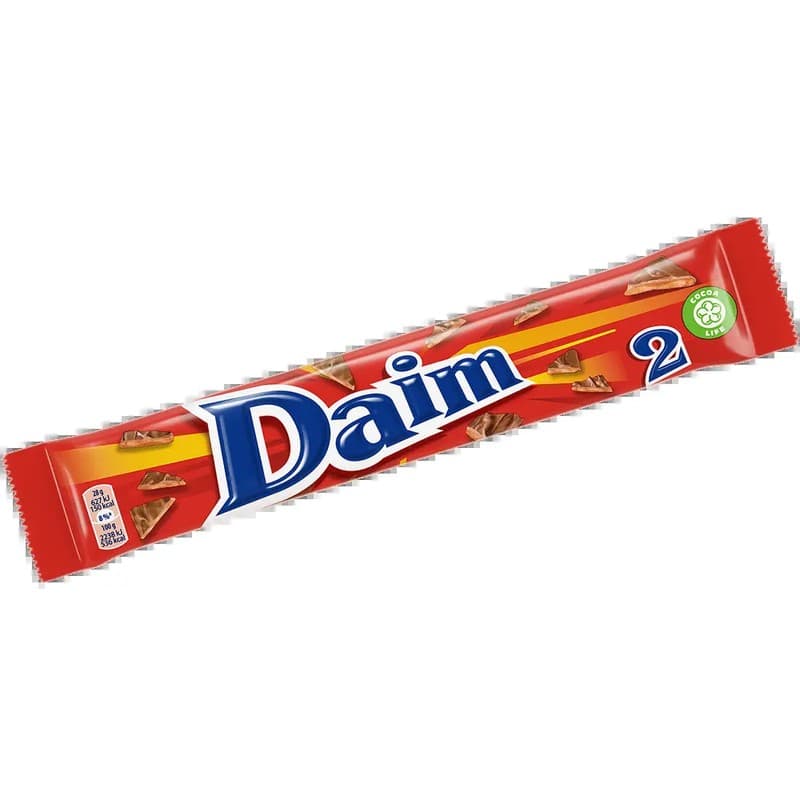
The taste difference is real. Once Americans try Fazer Blue or Daim or authentic Haribo from Germany, many find it hard to go back. The quality gap isn't marketing — it's genuine.
Shop authentic Swedish candy from trusted retailers with fast US shipping.
Frequently Asked Questions
Is European candy healthier than American candy?
It typically uses fewer artificial additives and real sugar instead of HFCS. Whether that's "healthier" depends on your criteria. Both are still candy — sugar is sugar. But if you prioritize natural ingredients and minimal processing, European candy fits those values better.
Why is European candy more expensive in the US?
Import costs, higher ingredient costs (real sugar, natural colors, more cocoa butter), and specialty retail margins all contribute. A Marabou bar costs $5-8 in the US vs. $2-3 for comparable Hershey's. Most people who've tried both consider it worth the premium.
Where can I buy European candy in the US?
Online retailers like Sockerbit ship nationwide. IKEA carries limited Swedish candy. Specialty Scandinavian shops exist in major cities. And Sockerbit is expanding into 1,600 Target stores. See our complete where-to-buy guide.
Will American candy companies adopt European standards?
Slowly. Some American brands have started reformulating with natural colors and real sugar for specific products. But HFCS and synthetic dyes remain significantly cheaper, so the shift will be gradual rather than overnight.
What European candy should I try first?
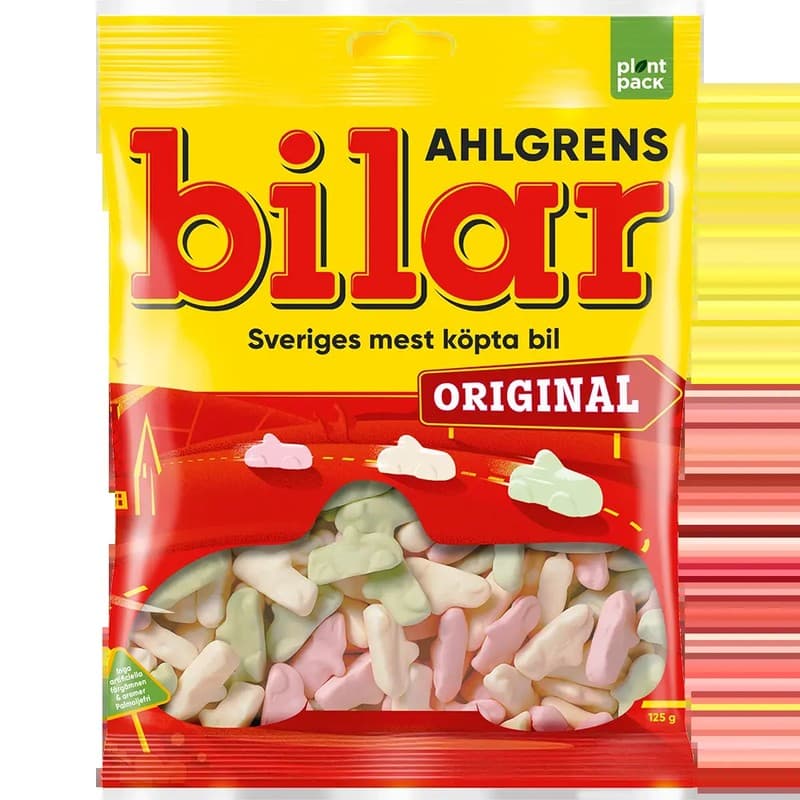
Marabou Mjolkchoklad for chocolate, BUBS Sour Skulls for sour gummies, and Ahlgrens Bilar for something uniquely Scandinavian. If you're feeling adventurous, try salmiak — it's unlike anything in American candy.
The Gap Is Closing — But Not Yet
American consumers are discovering what Europeans have known for decades: better ingredients make better candy. Swedish brands like BUBS, Marabou, and Malaco are becoming household names in American candy circles. German, Belgian, and British confections are increasingly available.
The regulatory differences that created two candy worlds aren't going away anytime soon. But the availability gap is shrinking fast. European candy that used to require an international trip now requires a trip to Target. And once you taste the difference, you'll understand why millions of Americans are making the switch.
Ready to explore? Start with our introduction to Swedish candy or jump straight into sour candy, chocolate, or licorice. The European candy world is vast, and Swedish candy is the perfect entry point.

Founder & Editor
Former Swedish candy & FMCG professional turned US-based founder of SwedishCrave. Built the site to fill the gap he saw when he moved stateside.