Swedish licorice is a universe unto itself. From sweet, beginner-friendly varieties to extreme salmiak that makes grown adults cry, the range is enormous. This guide maps the entire landscape so you can find your level.
Understanding Swedish Licorice: A Complete Guide
The Licorice Spectrum: From Sweet to Extreme
Swedish licorice isn't monolithic. Walk into any Swedish candy shop and you'll find an astonishing array of licorice products, each positioned somewhere along a flavor continuum. Understanding this spectrum is essential to appreciating Swedish candy culture.
The journey begins with sweet licorice — products that emphasize the natural sweetness of licorice root with added sugar and sometimes honey or vanilla. These entry-level licorice candies appeal to first-time consumers and traditional candy eaters. They're approachable, familiar, and deliberately gentle.
Move along the spectrum and you reach salted licorice (lakrits med salt), where producers add sodium chloride to balance the licorice root's inherent sweetness. This creates a complex flavor profile: the sweetness remains, but it's tempered by a savory, salty edge. Many Swedes consider this the "Goldilocks" zone of licorice — sophisticated enough to appeal to adult palates, yet still accessible.
Further still lies salmiak — a game-changing category that introduces ammonium chloride, a compound that creates a distinctive, sharp, almost mineral-like flavor. This is where licorice becomes polarizing. Some find salmiak revelatory; others find it challenging. For a deep dive into salmiak chemistry and history, see our dedicated salmiak article.
At the far end of the spectrum is extreme salmiak — products with such high concentrations of ammonium chloride that they deliver an intense, numbing sensation on the tongue. These are for seasoned licorice enthusiasts and represent a kind of candy X-games.
What Is Licorice Root and Why It Matters
Licorice comes from the root of Glycyrrhiza glabra, a plant native to Western Asia and the Mediterranean. The name itself derives from Greek: "glykys" (sweet) and "rhiza" (root). For thousands of years, cultures have used licorice root for medicinal and culinary purposes.
The root contains a compound called glycyrrhizin, which is 30-50 times sweeter than sucrose. This extreme sweetness is why licorice root extract became so valuable in candy manufacturing. Rather than relying solely on refined sugar, confectioners can use licorice root to achieve deep, complex sweetness while keeping overall sugar content lower.
Swedish candy makers have refined the art of licorice extraction and processing. Raw licorice root is harvested, dried, and then extracted using water and solvents. The resulting black liquid or powder becomes the foundation for most Swedish licorice candy. Different extraction methods and concentrations yield different flavor profiles — some producers create a lighter, more nuanced licorice taste, while others push for maximum intensity.
The color of licorice candy — almost always jet black — comes from the root itself, not added dyes. This natural coloring is part of licorice's appeal for consumers seeking less-processed sweets, even if the final candy product is hardly unprocessed.
Sweet Licorice: The Gateway
Sweet licorice candies form the foundation of Swedish licorice production. These are products where the licorice root flavor is the starting point, but sweeteners, vanilla, honey, and sometimes citrus notes are layered on top to create a more immediately appealing taste.
Popular sweet licorice varieties include soft chews, hard pastilles, and coated products. Many Swedish children's first candy experience involves sweet licorice — it's mild enough for young palates but genuinely flavorful. Brands like Malaco produce excellent sweet licorice ranges that remain bestsellers across Scandinavia.
Sweet licorice isn't considered "basic" by Swedes; rather, it's understood as a different genre within the licorice family. A connoisseur might appreciate both a premium sweet licorice and a salmiak variety, depending on mood and context. Sweet licorice is often preferred in social settings, paired with coffee, or given as gifts to international visitors who haven't developed a taste for saltier varieties.
Salt Licorice: The Sophisticated Middle Ground
Salt licorice represents where many Swedes find their comfort zone. By adding sodium chloride (regular table salt) to licorice, producers create a candy that's both sweet and savory. The salt doesn't make licorice taste salty in the way a potato chip is salty; instead, it acts as a flavor amplifier and palate cleanser.
The salt brings out nuances in the licorice root that pure sweetness tends to mask. It also reduces the one-dimensional sweetness that some find cloying in pure sweet licorice. For adults, salt licorice offers complexity — you experience sweetness first, then a salty undertone that lingers.
Salt licorice is extremely popular in Sweden and is considered the "adult" version of licorice, though it's hardly exclusive to adults. Many Swedes consume salt licorice regularly as part of their Lordagsgodis (Saturday candy) tradition, a cultural practice where families set aside Saturday as the designated candy day of the week. Salt licorice features prominently in these assortments because it feels like a treat but not an excess — there's sophistication in the choice.
Salmiak: The Advanced Frontier
Salmiak represents the most distinctive Swedish candy innovation. While salt licorice uses sodium chloride, salmiak introduces ammonium chloride — a chemical compound that creates an entirely different sensory experience.
Ammonium chloride (NH4Cl) produces a sharp, almost astringent flavor profile that many describe as mineral-like or even metallic. It also creates a curious physical sensation: a slight numbing or tingling on the tongue and palate. For uninitiated consumers, salmiak can be shocking. It doesn't taste like candy in the traditional sense; it tastes like an acquired taste that demands attention.
Our comprehensive salmiak guide explores the chemistry, history, and cultural significance in detail. The short version: salmiak is primarily a Nordic phenomenon (particularly popular in Sweden, Finland, and the Netherlands), and it's not universally loved even within Sweden. However, it commands passionate devotion from its fans.
The salmiak category includes everything from lightly ammonium-enhanced licorice to intense, pure salmiak products. This diversity means there's a salmiak product for different tolerance levels — a perfect entry point might be a licorice product with 5-10% ammonium chloride, while seasoned fans might seek out products with 20% or higher.
Djungelvraal: The Iconic Salmiak Experience
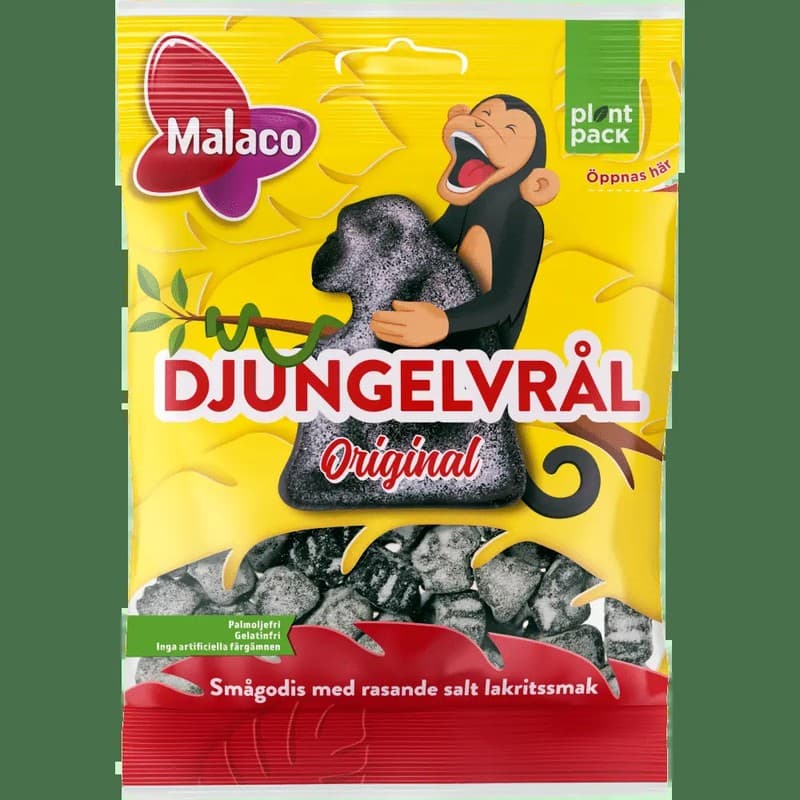
Djungelvraal stands as perhaps the most famous Swedish salmiak product internationally. Produced by Malaco, this licorice candy consists of soft, chewy pieces coated in salmiak powder — creating both textural contrast and an intense flavor experience.
The name translates roughly to "Jungle Roar," which captures the boldness of the product. When you bite into Djungelvraal, you experience the soft interior first, then the salmiak coating hits your palate with full force. The powder coating means the ammonium chloride concentration is extraordinarily high relative to the candy's size.
For many non-Scandinavian candy enthusiasts, Djungelvraal serves as their introduction to salmiak. It's often the product that either converts someone into a lifelong salmiak fan or convinces them they'll never understand Nordic candy preferences. There's rarely a middle ground with Djungelvraal — it's a statement candy.
The product has achieved cult status among international candy collectors and adventurous eaters. YouTube challenges and online candy communities frequently feature Djungelvraal reactions, usually from people experiencing their first encounter with intense salmiak.
Key Licorice Brands and Producers
Malaco: The Licorice Giant
Malaco is Sweden's dominant licorice producer and one of the world's largest. Founded in 1934, the company has spent over nine decades perfecting licorice candy production. Their portfolio spans the entire spectrum: from mild sweet licorice to extreme salmiak products.
Malaco's reach extends far beyond Sweden. They produce products for international markets, though their most adventurous offerings — the intense salmiak products — tend to be reserved for Nordic distribution. Within Sweden, Malaco owns multiple licorice brands and sub-brands, giving them extraordinary shelf space and market penetration.
Quality across Malaco's range is consistent. Even their entry-level sweet licorice products demonstrate manufacturing excellence. The company invests heavily in flavor development, texture innovation, and packaging design. For a first-time Swedish candy buyer, Malaco products are typically the safest bet for quality.
Kolsvart: Artisanal Excellence
Kolsvart represents a different approach to Swedish licorice — smaller scale, premium positioning, and intense focus on licorice flavor purity. Where Malaco produces massive volumes, Kolsvart emphasizes craft and exclusivity.
The brand name means "coal black," referencing the deep color of their licorice products. Kolsvart specializes in licorice that tastes decidedly more of licorice root than their mass-market competitors. Their products often feature minimal additives and emphasis on clean, uncomplicated flavor profiles.
Kolsvart products command premium prices, but devotees argue the investment is worthwhile. Their licorice demonstrates what's possible when flavor purity is prioritized over volume production. See our Kolsvart guide for specific product recommendations.
Lakrits by Johan: Modern Craft
Lakrits by Johan represents contemporary Swedish licorice craftsmanship. Johan Ostlund, the founder, combines traditional licorice knowledge with modern flavor experimentation. His products often incorporate unexpected ingredients — bourbon vanilla, sea salt from specific regions, or specific licorice root cultivars.
This brand appeals to licorice enthusiasts who've exhausted commercial options and crave something different. While availability is more limited than Malaco or Kolsvart, Lakrits by Johan products are increasingly available in premium candy shops both in Sweden and internationally.
Licorice Textures and Forms
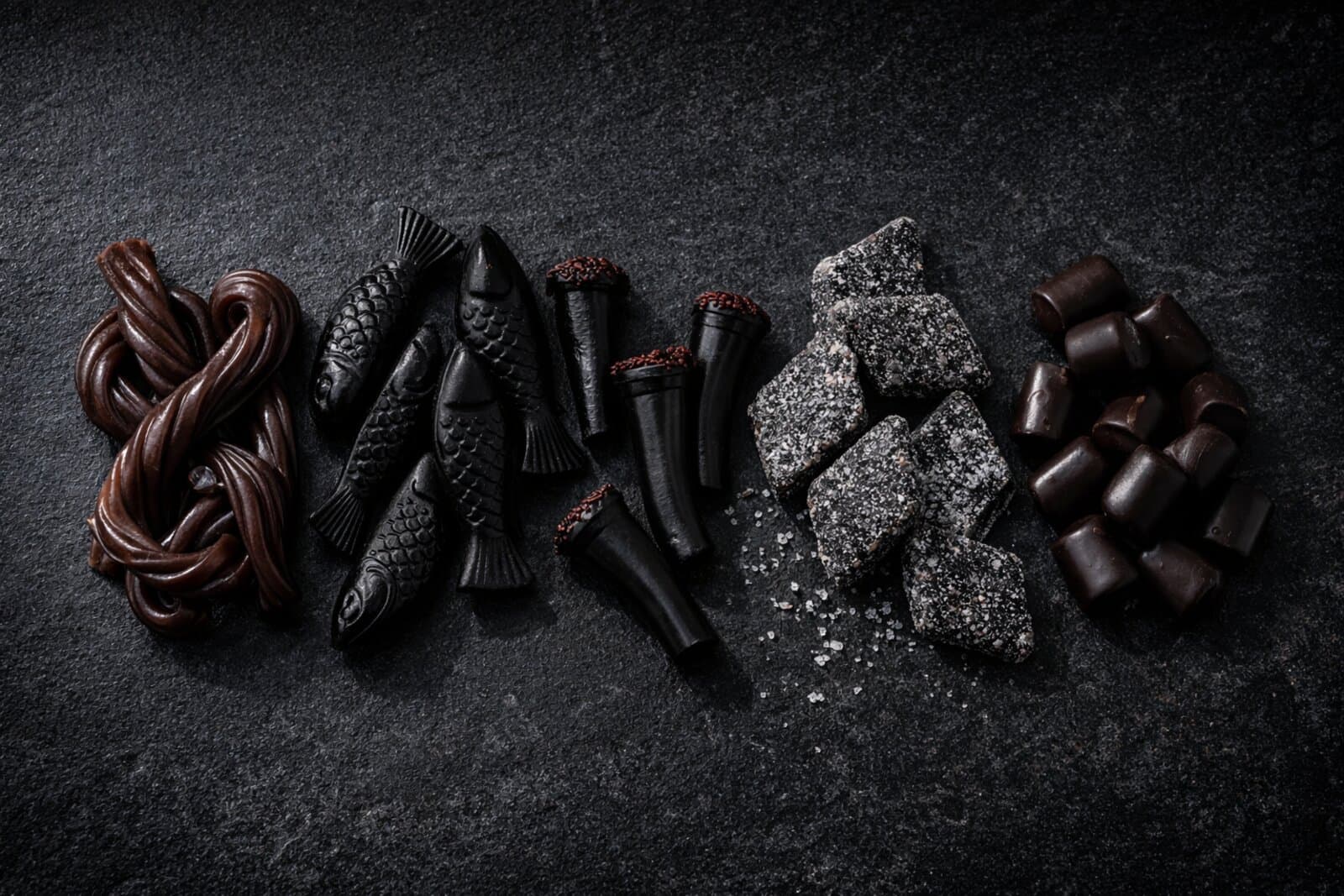
Swedish licorice candy comes in remarkable textural diversity. The flavor might be consistent, but the eating experience varies dramatically based on form:
Hard Pastilles
Hard licorice candies dissolve slowly on the tongue, providing extended flavor release. These are excellent for people who want to savor licorice flavor over time. The hard texture means they last longer in your mouth — good for situations where you want a candy to be more than a quick bite.
Soft Chews
Soft, chewy licorice provides immediate gratification and easier consumption for people with dental work or preferences for tender textures. These candies deliver flavor quickly and are often easier to portion and consume while multitasking. Most salmiak products lean toward the soft-chew format to maximize the salmiak coating impact.
Coated Products
Licorice pieces coated in salmiak powder, sugar, or other compounds create textural interest and flavor concentration. The coating acts as a flavor accelerator — you experience a concentrated burst before reaching the interior. Djungelvraal exemplifies this format.
Filled Candies
Some Swedish licorice products feature centers — soft licorice shells with liquid or fruity centers, for example. These candies combine multiple flavor experiences in a single piece and appeal to consumers seeking complexity and surprise.
Twisted or Shaped Varieties
Licorice snakes (long, twisted licorice strands) and other shaped products add visual appeal and provide a different eating experience. Rather than discrete candies consumed one at a time, you might nibble a licorice snake gradually, experiencing varying flavor intensities as you progress.
Understanding Licorice and Health
Licorice contains glycyrrhizin, the compound responsible for its sweetness and much of its flavor. While glycyrrhizin is natural and generally recognized as safe in small quantities, excessive consumption can affect blood pressure and potassium levels, particularly in people with hypertension or certain health conditions.
The European Union and other regulatory bodies have established safe consumption guidelines for licorice. For most people consuming licorice as an occasional treat, these health concerns are theoretical rather than practical. However, people with hypertension, heart disease, or those taking certain medications should be aware of licorice's potential effects.
Salmiak (ammonium chloride) adds another consideration. In extreme quantities, ammonium chloride can cause digestive discomfort. However, the amounts in even intense salmiak candies are far below levels that would cause clinical concern for most people. That said, consuming an entire bag of extreme salmiak products in a single sitting isn't advisable.
The pragmatic approach: enjoy Swedish licorice as part of a balanced diet, practice moderation, and if you have specific health conditions, consult with a healthcare provider about licorice consumption. For most people, occasional licorice enjoyment poses no health risk whatsoever.
Licorice in Swedish Culture and Tradition
Licorice holds a unique position in Swedish culture. Unlike other candy that might be viewed as purely indulgent, licorice has achieved a kind of cultural legitimacy in Sweden. There's a sense that licorice is "less bad" than other candies — perhaps due to the licorice root's historical medicinal associations, or perhaps simply because Swedes have normalized licorice consumption across generations.
The Lordagsgodis tradition exemplifies this. On Saturday afternoons, Swedish families traditionally visit candy shops and select an assortment of sweets for the week. Licorice invariably features prominently in these selections, often occupying 30-50% of the chosen candies. This isn't unusual or indulgent; it's simply part of Swedish candy culture.
Licorice also appears in savory contexts in Sweden. Licorice salt seasonings, licorice-flavored ice cream, licorice-filled chocolates, and even licorice-infused alcoholic beverages exist. This willingness to deploy licorice beyond traditional candy contexts reflects how thoroughly the flavor has been integrated into Swedish food culture.
International perspectives on Swedish licorice range from fascination to bewilderment. Many non-Scandinavians find salmiak in particular to be challenging or unpleasant. This difference in taste preferences has become a kind of cultural marker — the ability to enjoy intense salmiak is sometimes framed as a marker of Nordic identity.
Exploring Other Swedish Candy Categories
Our guide to the best Swedish licorice products provides specific recommendations across all categories. Beyond the major brands, Sweden produces hundreds of licorice products, many available only in Scandinavian markets or through specialty importers.
If you're interested in exploring the broader world of Swedish candy beyond licorice, our Swedish candy overview situates licorice within the larger candy ecosystem. You'll discover that while licorice dominates, Swedish candy culture encompasses much more.
For those interested in sour candies, our sour candy guide explores another major Swedish candy category. And if you want to understand how licorice pairs with other flavors, our chocolate guide covers Swedish chocolate, which sometimes features licorice inclusions.
From mild to salmiak — get authentic Swedish licorice shipped to the US.
Frequently Asked Questions About Swedish Licorice
Is salmiak the same as salt licorice?
No. Salt licorice uses sodium chloride (table salt), while salmiak uses ammonium chloride. Salt licorice is savory and complex; salmiak is sharp, mineral-like, and creates a distinctive mouth-numbing sensation. Salt licorice is more accessible; salmiak requires more developed taste preferences.
Why do Swedes love licorice so much?
Multiple factors: historical availability of licorice in the region, successful commercial development by companies like Malaco, cultural normalization through the Lordagsgodis tradition, and genuine flavor appreciation. For many Swedes, licorice simply tastes good — there's no mystery deeper than that.
Is licorice safe to eat?
Yes, in moderation. Licorice contains glycyrrhizin, which can affect blood pressure in very high quantities, but normal candy consumption poses no risk for most people. If you have hypertension or heart disease, consult your healthcare provider about licorice consumption guidelines.
What's the best way to try Swedish licorice as a beginner?
Start with sweet licorice or mild salt licorice. These offer authentic Swedish licorice flavors without the intensity that can alienate newcomers. Once you've developed a taste for basic licorice, explore more adventurous salmiak products. There's no shame in deciding salmiak isn't for you — many Swedes maintain the same preference.
Where can I buy Swedish licorice outside Sweden?
See our where-to-buy guide for international retailers specializing in Swedish candy. Malaco products, in particular, are widely available through online importers. For premium brands like Kolsvart or Lakrits by Johan, specialty candy shops are your best bet.
How should I store Swedish licorice?
Keep licorice in a cool, dry place in airtight containers. Most licorice remains fresh for months when properly stored. Avoid excessive heat or humidity, which can cause stickiness or clumping. Soft licorice should be separated from hard candies to prevent texture degradation.
Are there sugar-free Swedish licorice options?
Yes, though they're less common than regular licorice. Malaco and other brands produce sugar-free versions using sugar alcohols or artificial sweeteners. These maintain the licorice flavor but lack some of the traditional sweetness. Quality varies more in the sugar-free category than in regular licorice.
Swedish Licorice Awaits
Swedish licorice represents one of the world's most distinctive candy traditions. From gentle sweet licorice to uncompromising salmiak products, the spectrum accommodates countless preferences and palates.
Whether you're a seasoned licorice consumer looking to deepen your knowledge, or a curious newcomer wondering what all the Nordic fuss is about, Swedish licorice rewards exploration. The category contains genuine complexity, proven quality, and a cultural significance that extends far beyond simple candy consumption.
Ready to start exploring? Visit our where-to-buy guide to source authentic Swedish licorice, or check out Djungelvraal if you're ready to dive straight into the deep end of salmiak intensity.

Founder & Editor
Former Swedish candy & FMCG professional turned US-based founder of SwedishCrave. Built the site to fill the gap he saw when he moved stateside.