The story of Swedish candy is unlike anything else in food history. It involves controversial medical experiments, government-backed candy restrictions, and a nation that turned moderation into a beloved weekly ritual. Here's how it all happened.
1800s: The Birth of Swedish Candy Culture
Sweden's candy-making tradition didn't start with modern industrial production—it started with necessity. In the 1800s, before mechanized manufacturing, confectionery was a luxury craft. Swedish candy makers, influenced by Danish and German traditions, began experimenting with licorice, fruit-based sweets, and chocolate as trading routes opened up European commerce.
This period established two foundational principles that still define Swedish candy today: quality ingredients (real sugar, not substitutes) and intentional consumption (candy as a special treat, not an everyday snack). Unlike American candy culture, which would later embrace mass-production and accessibility, Swedish candy maintained a focus on craft and moderation from the start.
1862: Cloetta Founded—The Industry Takes Shape
Swedish candy enters its modern era with the founding of Cloetta in 1862. This Stockholm-based company became one of Europe's most important candy manufacturers, setting standards that other Swedish producers would follow for generations.
Cloetta's founding reflected a broader European trend: the rise of mechanized candy production. But while American companies like Hershey were racing to produce cheap, shelf-stable products, Cloetta focused on flavor complexity and texture. They pioneered Swedish licorice production and became known for their innovative chocolate-candy combinations.
Early 1900s: Mass Production Comes to Scandinavia
The early 20th century saw Swedish candy transition from artisanal craft to industrial production. Malaco was founded in 1934, becoming the licorice powerhouse that still dominates Nordic shelves today. Other major brands emerged during this period, each bringing specialized expertise—some focused on chocolate, others on licorice, others on gummies and sour candies.
What's remarkable is that even as production scaled up, Swedish manufacturers maintained higher standards than their American counterparts. They continued using real sugar, premium cocoa, and natural flavorings. This quality focus would eventually become a major competitive advantage.
1940s-1950s: The Vipeholm Experiments and Their Legacy
This is the most unusual chapter in candy history: the Vipeholm dental experiments. Between 1945-1953, Swedish researchers at the Vipeholm Institute conducted a controversial study examining how different foods affected tooth decay. Prisoners participated in the experiment, consuming various candies while researchers monitored their dental health.
The results were shocking—and internationally significant. Researchers discovered that certain candy types (particularly sticky, sugar-heavy varieties) caused far more tooth decay than others. The study made global headlines and sparked conversations about candy safety that still influence food regulation today.
The Vipeholm experiments had an unexpected cultural impact: they made Sweden acutely aware of candy's health implications. Rather than regulating candy out of existence, the Swedish government and candy industry responded by promoting the concept of intentional consumption—candy as a controlled, special-occasion treat rather than an everyday snack.
1950s-1960s: Lördagsgodis—The Saturday Candy Tradition Is Born
From the health concerns raised by Vipeholm emerged something uniquely Swedish: lördagsgodis (literally "Saturday candy"). This cultural tradition limited candy consumption to one day per week, teaching children that candy was something to anticipate, savor, and enjoy in moderation.
Lördagsgodis became so central to Swedish identity that it shaped the entire candy industry. Manufacturers optimized their products for Saturday enjoyment—creating interesting textures, complex flavors, and premium ingredients that made candy feel like an event, not a vice.
This tradition solved the Vipeholm problem in a culturally intelligent way: instead of restricting candy, Sweden created a framework where moderation was built into the social ritual. Children and adults didn't eat less candy—they ate candy more thoughtfully.
1970s-1980s: The Lösgodis Golden Age
The emergence of lösgodis (loose candy/pick-and-mix) in the 1970s and 1980s represented a revolution in how Swedes experienced candy. Instead of pre-packaged bags, customers could fill their own bags with whatever they wanted, paying by weight.
This innovation had cultural significance beyond convenience. Lösgodis perfectly complemented lördagsgodis—you could actually control your portions, choose exactly what flavors appealed to you, and make the selection process part of the ritualistic enjoyment.
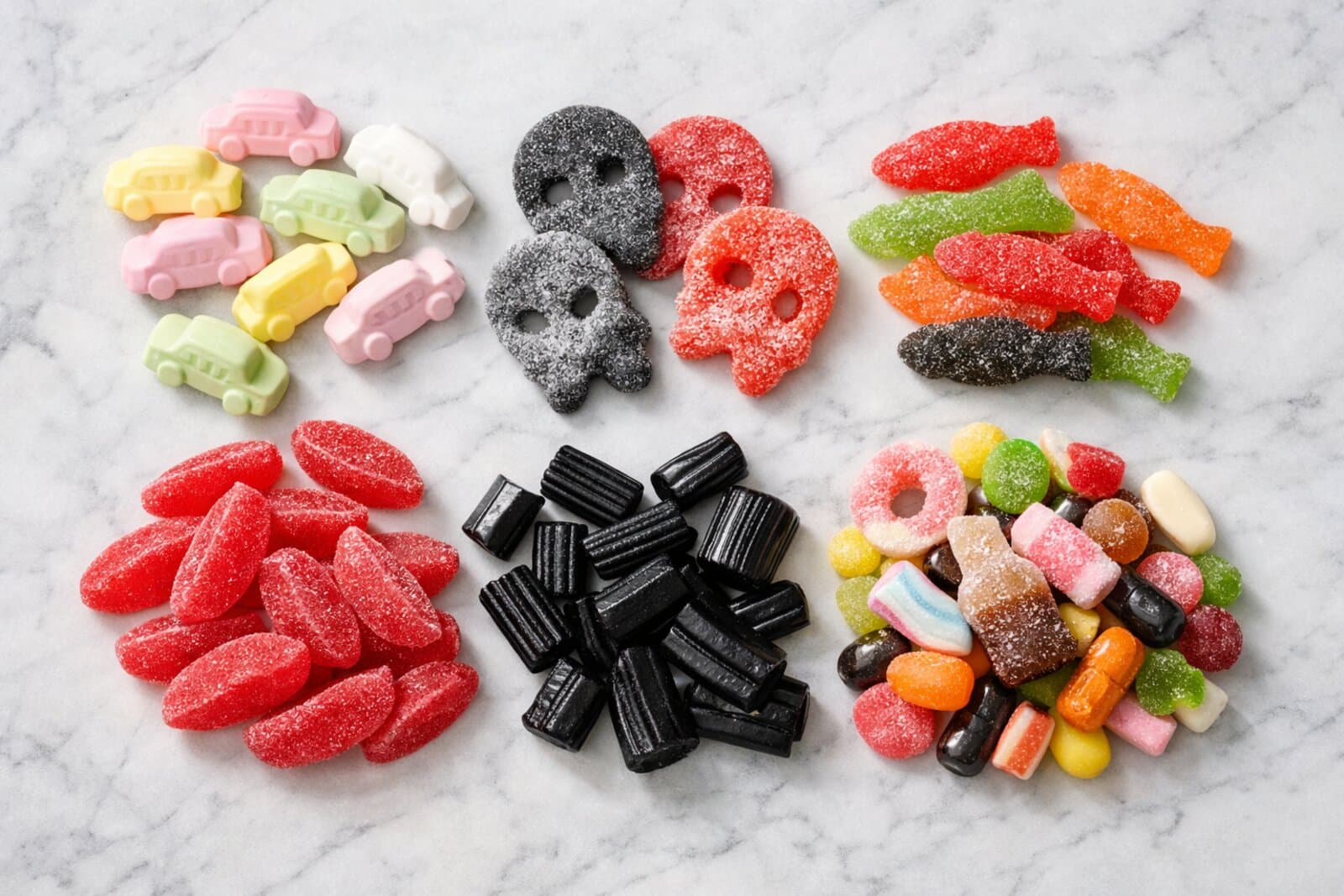
Swedish candy stores became destinations. Lösgodis walls featured 100+ varieties, from mild fruit gummies to intense salmiak, from chocolate-covered toffee to freeze-dried fruit candies. The variety was staggering compared to American candy selections.
1990s-2000s: International Expansion and BUBS Emerges
As globalization accelerated, Swedish candy began reaching beyond Scandinavia. Marabou, Cloetta, and Malaco products appeared in European specialty shops. The 1990s saw the emergence of BUBS, a brand that would eventually revolutionize how the world understood Swedish candy.
BUBS started as a premium candy brand in Sweden, but their focus on intense sour gummies with complex flavor profiles eventually caught international attention. They began exporting to Germany, the UK, and gradually to North America—though in small quantities and through specialty retailers.
During this period, Swedish candy remained largely unknown in America. American candy culture was dominated by mass-market brands like Hershey and Skittles. Swedish alternatives existed, but they were niche products, available only in Scandinavian import shops or specialty candy stores.
2010s: The International Market Awakens
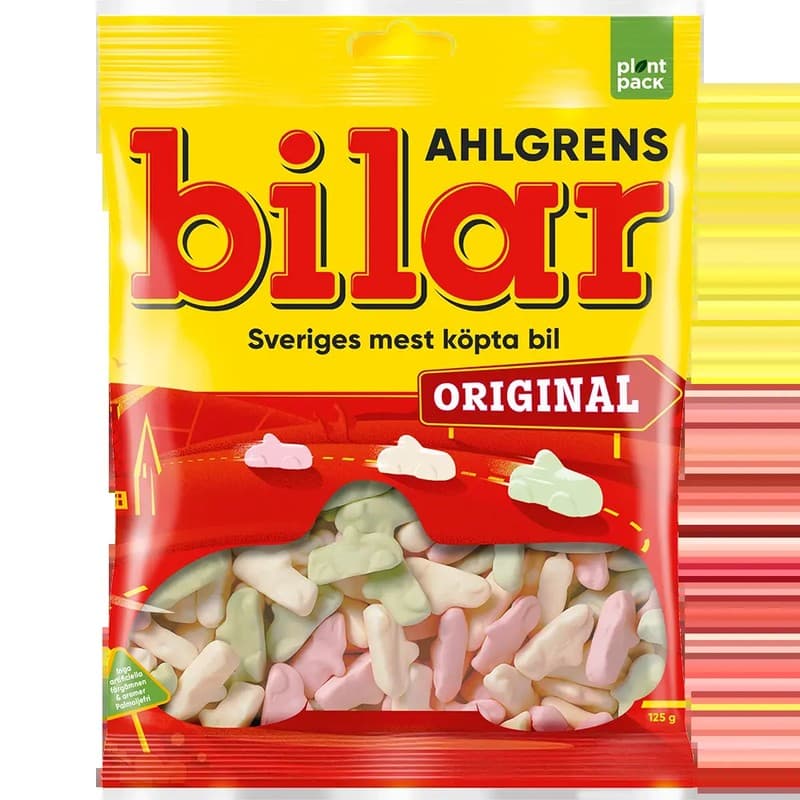
The 2010s saw steady growth in Swedish candy's international presence. Specialty candy shops in North America and Europe increasingly stocked BUBS, Ahlgrens Bilar, and Marabou products. Online retailers like Amazon began offering Swedish candy to curious consumers.
However, adoption was still relatively slow. Swedish candy remained a curiosity—something adventurous candy enthusiasts might try, but not a mainstream phenomenon. Price points were higher than American equivalents, and many consumers didn't understand what made Swedish candy worth the premium.
2023: TikTok Explosion and Global Phenomenon Status
Everything changed in 2023 when Swedish candy, particularly BUBS Sour Skulls, went viral on TikTok. Videos of people trying Swedish sour candy became worldwide sensations—the intense sour flavor, followed by fruit complexity, genuinely surprised viewers used to American sour candies.
The viral moment wasn't manipulated marketing. It was genuine shock and enjoyment. Swedish candy, with its complex textures and intense flavors, translated perfectly to short-form video. The visible reactions, the multi-layered flavor experience, and the "I've never tasted anything like this" energy made the content compelling.
Within months, Swedish candy became impossible to find on American shelves. BUBS products sold out at specialty shops. Supply chains struggled to meet demand. Swedish candy that had been niche became mainstream.
2024-2026: From Viral Moment to Sustained Demand
The TikTok phenomenon didn't fade. Instead, Swedish candy became a permanent part of international candy culture. Multiple factors contributed to sustained demand:
- Social proof: Friends who saw the viral videos wanted to try it themselves
- Quality reputation: Once people tasted Swedish candy, many became repeat customers, appreciating the flavor complexity and ingredient quality
- Supply expansion: Manufacturers increased production and distribution to meet demand
- Retail availability: Major retailers began stocking Swedish candy, making it accessible beyond specialty shops
- New brand entries: Success of BUBS inspired other Nordic brands to increase international presence
Today, Swedish candy represents something larger than just a product category. It's become a symbol of quality ingredients, interesting flavors, and intentional consumption in an age of mass-market mediocrity.
Why This History Matters Today
Understanding Swedish candy's history explains why it feels different. The Vipeholm experiments established quality focus. The lördagsgodis tradition ensured manufacturers optimized for flavor and texture over quantity. Decades of lösgodis culture created consumer expectations for variety and customization.
American candy culture evolved differently—toward accessibility, shelf stability, and mass appeal. Swedish candy culture evolved toward intentionality, complexity, and moderation.
When TikTok introduced the world to Swedish candy, it wasn't discovering something new. It was discovering how differently another culture approached a familiar category. And that discovery resonated globally.
Frequently Asked Questions
What made the Vipeholm experiments so important to candy history?
The Vipeholm experiments proved scientifically that candy consumption directly affected dental health. This research influenced food safety regulations worldwide and led directly to Sweden's lördagsgodis tradition. Instead of restricting candy, the research inspired a cultural solution: enjoying candy intentionally on specific occasions rather than constantly.
When did Swedish candy become popular in the US?
Swedish candy was virtually unknown in mainstream America before 2023. Specialty candy shops carried some BUBS and Ahlgrens products in the 2010s, but the TikTok explosion in 2023 created overnight mainstream awareness. Before that year, Swedish candy was a niche product for import enthusiasts.
Why does Swedish candy taste different from American candy?
Swedish candy manufacturers prioritize real sugar, plant-based colorings, and complex flavor profiles. American mass-market brands often use high-fructose corn syrup, synthetic dyes, and simpler flavor formulas focused on basic sweetness. This reflects different cultural values: Swedish candy culture emphasizes quality and intentionality; American candy culture emphasizes accessibility and convenience.

Founder & Editor
Former Swedish candy & FMCG professional turned US-based founder of SwedishCrave. Built the site to fill the gap he saw when he moved stateside.