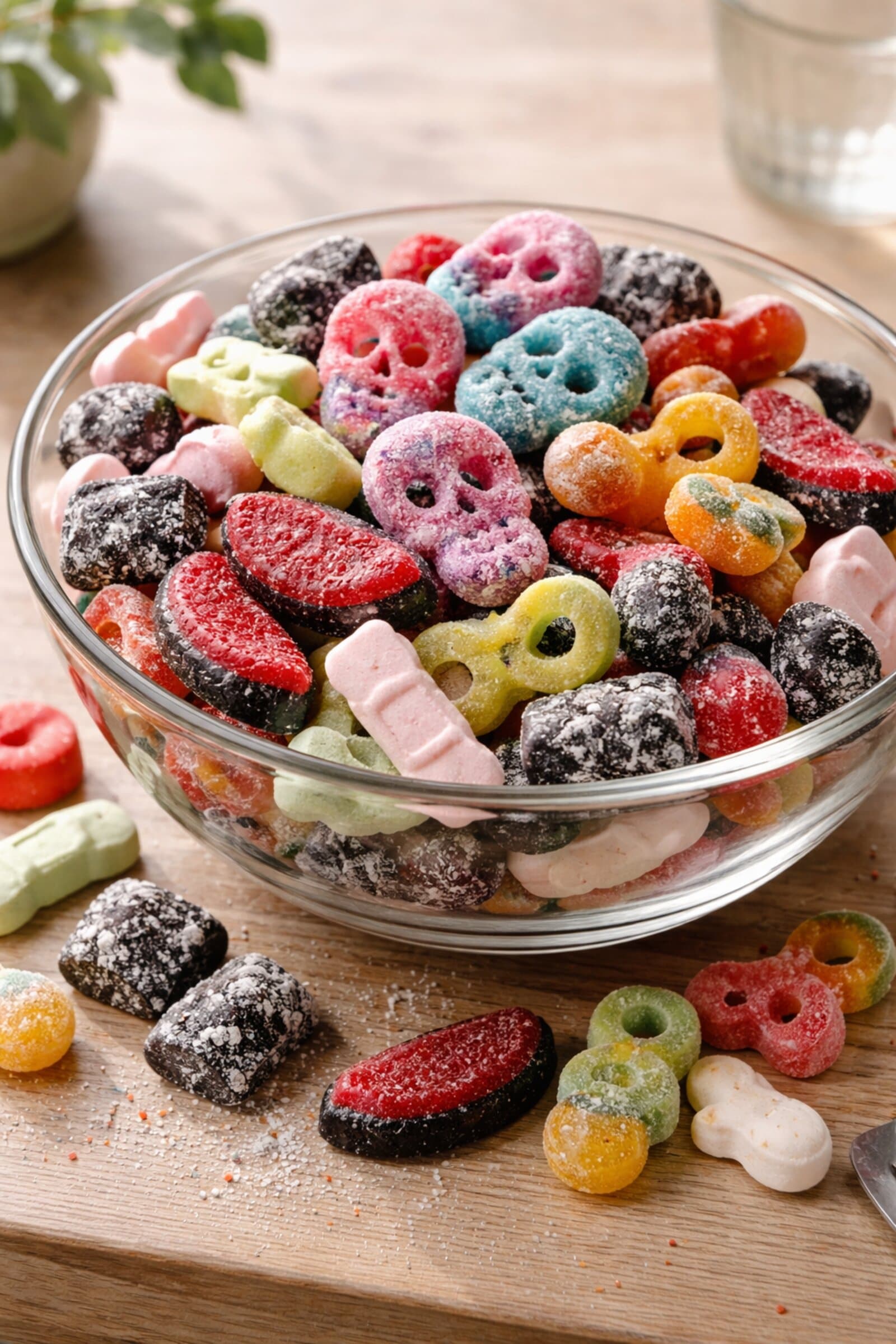
Swedish candy has taken the world by storm, fueled by viral TikTok videos and a genuine difference in quality. But what actually makes Swedish candy different from what you find in the US? This guide covers everything — from the brands and flavors to the cultural traditions that shaped them.
Quick Start: Top 5 Candies for First-Timers
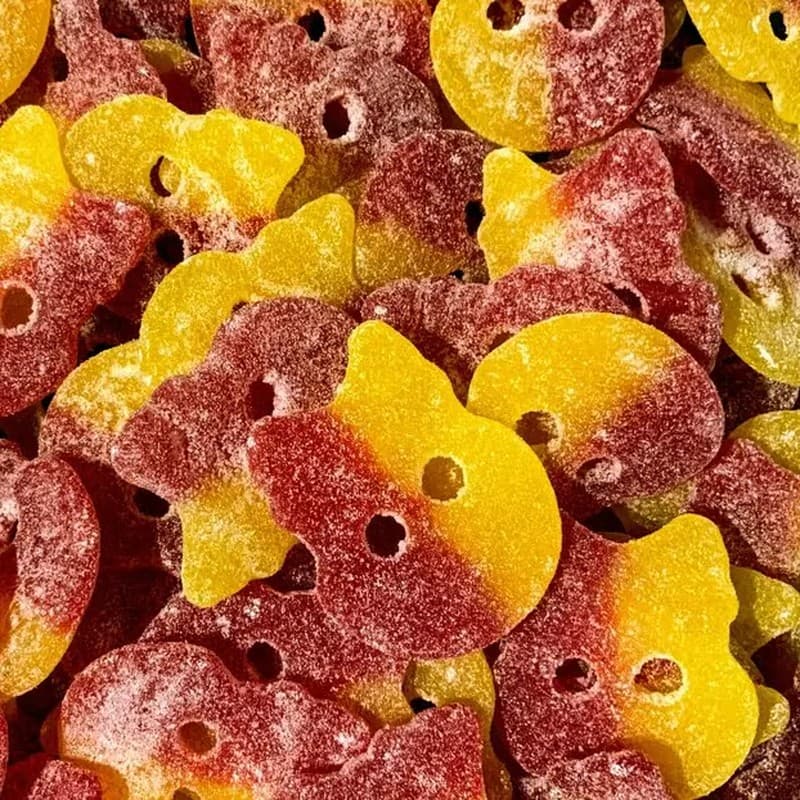
- BUBS Sour Skulls — The gateway candy. Intensely sour, then fruity sweet. This is why Swedish candy went viral on TikTok.
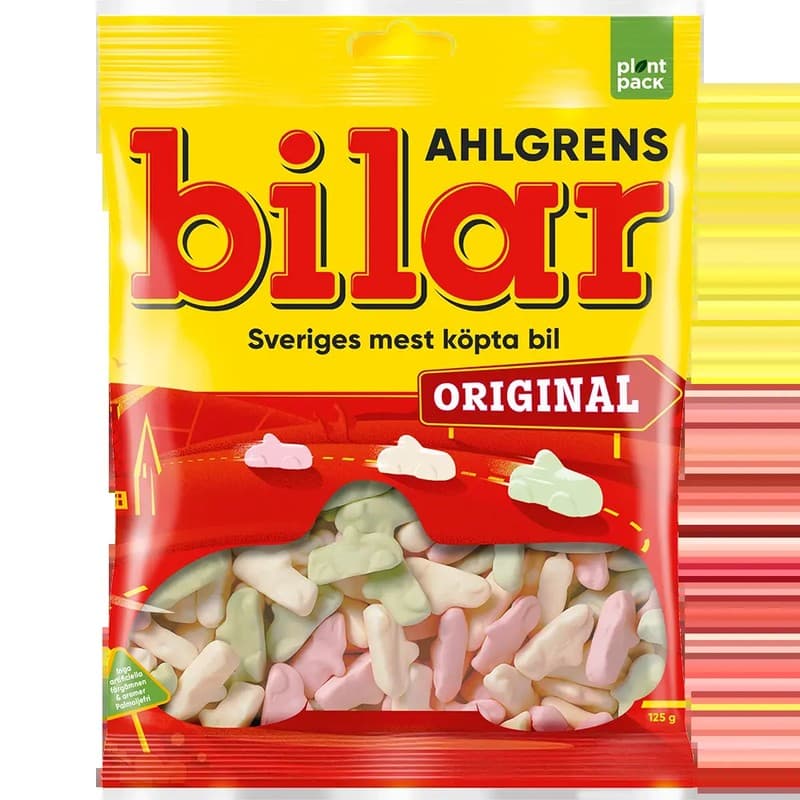
- Ahlgrens Bilar — Marshmallow-filled cars covered in chocolate. A Swedish classic since 1957.
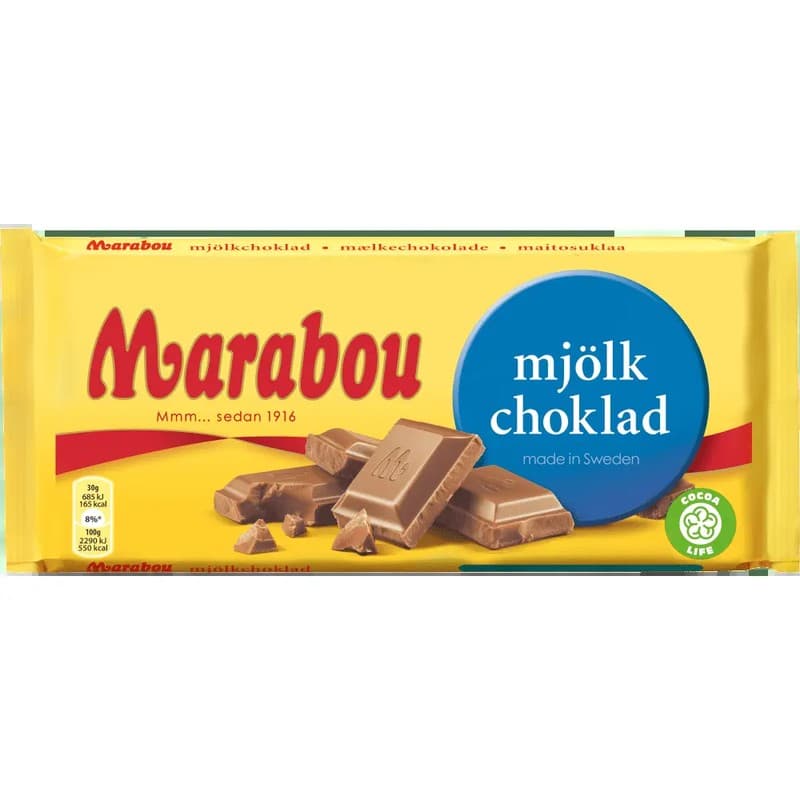
- Marabou Mjölkchoklad — Creamy, luxurious Swedish milk chocolate. Their chocolate is noticeably smoother than American brands.
- Daim — Crispy, brittle candy with rich caramel. An international favorite that originated in Sweden.
- Djungelvrål — A chewy licorice wrapped in dark chocolate. For when you want something bold and unique.
What Exactly Is Swedish Candy?
Swedish candy (also called Nordic sweets or Scandinavian candy) refers to confectionery products made in Sweden and other Nordic countries that are increasingly available worldwide. But it's not just about geography — Swedish candy represents a completely different philosophy of candy-making compared to what Americans are used to.
The core difference comes down to three things:
- Ingredients: Swedish candy uses real sugar (not high-fructose corn syrup), plant-based colorings (not synthetic dyes like Red 40), and often includes unique flavor profiles like salmiak and licorice that you won't find in American candy.
- Texture: Swedish candy makers prioritize interesting textures — sour coatings, chewy centers, crispy bits inside chocolate. American candy tends to be simpler: it's usually just sweet.
- Culture: In Sweden, candy is special. It's not something you eat casually. The tradition of lördagsgodis (Saturday candy) means candy is a weekend ritual, not an everyday snack. This shapes everything about how it's made and marketed.
To understand Swedish candy, you need to understand that it's rooted in a Nordic food culture that values quality, moderation, and intentionality. You're not buying candy because you're addicted to sugar. You're buying it because you want to experience something delicious and interesting.
The Brands That Define Swedish Candy
BUBS: The TikTok Phenomenon
BUBS is probably the Swedish candy brand you've heard of if you've seen viral candy videos online. Their Sour Skulls and sour gummies have become the face of Swedish candy on social media, and for good reason — they hit your mouth with an intensely sour coating that builds flavor and texture in a way American sour candies simply don't match.
Founded in the 1990s, BUBS produces a wide range of gummies, licorice, and sour candies using real fruit juice and plant-based colorings. The brand is now available in over 60 countries, and the American demand has been so high that their products regularly sell out in international shops.
Marabou: The Chocolate Authority
Marabou is Sweden's dominant chocolate brand, and once you've tasted Marabou Mjölkchoklad (their milk chocolate), you'll understand why. The chocolate is noticeably smoother and creamier than Hershey's or other American mass-market brands. It's not as heavy as premium European brands, but it's significantly better than what you find in the average grocery store.
Marabou produces chocolate bars in countless varieties — from simple milk chocolate to bars filled with nougat, wafers, and fruit. They also make chocolate-covered licorice and marshmallow candies. The brand has been part of Swedish candy culture since 1916 and is now owned by Mondelez International, but the quality remains distinctly Nordic.
Malaco: The Licorice Pioneer
Malaco is the licorice expert. If you're exploring Swedish candy, you'll encounter licorice at nearly every turn — and Malaco is often the name on the package. They produce everything from traditional soft licorice to hard licorice to licorice-based gummies, and they're known for bold flavors that range from classic to intensely challenging.
Malaco was founded in 1934 and is now one of Europe's largest candy manufacturers. If you're new to licorice and salmiak (salty licorice), start with Malaco's milder options before diving into their more intense offerings.
Ahlgrens: The Nostalgic Favorite
Ahlgrens Bilar (Ahlgren's Cars) have been delighting Swedish children for over 65 years. These are small, car-shaped candies with a smooth chocolate coating and a distinctive marshmallow center. They're not groundbreaking flavor-wise, but they're a cultural icon in Sweden and a must-try for anyone wanting to understand Swedish candy heritage.
Ahlgrens also produces other candy shapes and types, but the cars are what they're famous for.
Understanding Swedish Candy Flavors
Swedish candy isn't organized the same way as American candy. Instead of just "sour" or "fruity," Swedish candy categories reflect unique flavor traditions that have developed over decades in Nordic candy culture.
Sour Candy (Surseglat)
Swedish sour candy represents one of the biggest differences between Nordic and American confectionery. American sour candy uses citric acid and is usually just sour on top of sweet. Swedish sour candy, particularly BUBS products, uses a complex sour coating that creates layers of flavor — it starts intensely sour, shifts to fruity, and finishes with sweetness.
This is why Swedish sour candy went viral on TikTok. The reaction videos show genuine surprise because people are experiencing something textually and flavor-wise different from what they expected.
Licorice & Salmiak
Licorice is fundamental to Swedish candy. Unlike American candy where licorice is a niche product, in Sweden it's mainstream. And unlike American black licorice (which many people dislike), Swedish licorice comes in hundreds of varieties.
Salmiak (salty licorice) is the next step. This is licorice flavored with ammonium chloride, which creates a salty, umami-forward taste. It's polarizing — some people find it absolutely delicious, others think it tastes like a tire. But it's deeply embedded in Swedish candy culture, and it's worth trying at least once.
Malaco and other Swedish licorice brands produce everything from soft licorice (gummies) to hard licorice (similar to Twizzlers but usually better quality) to dual-flavored pieces like licorice wrapped in chocolate.
Chocolate (Beyond Basic)
Swedish chocolate isn't expensive, premium chocolate. But it's significantly better quality than mass-market American brands. The difference is in how it melts and how it tastes.
A Hershey bar tastes slightly waxy and metallic because of how they process the chocolate. Marabou doesn't have this problem. The chocolate melts smoothly on your tongue without any off-flavors. Swedish chocolate bars also tend to have better fillings and flavor combinations.
Common Swedish chocolate types include:
- Milk chocolate bars (often with nougat, wafer, or other fillings)
- Chocolate-covered licorice
- Chocolate-covered marshmallow (like Ahlgrens Bilar)
- Chocolate-covered toffee and brittle (like Daim)
Gummies & Marshmallow
Swedish gummies often have more distinct fruit flavors than American brands, partly because they use actual fruit juice instead of artificial flavoring. The texture is also different — they tend to be chewier and have more complexity.
Marshmallow candies (like Ahlgrens Bilar and many other Swedish products) are smoother and less artificially sweet than American marshmallow candies. The chocolate coating is also better quality, so the overall experience is elevated.
Lösgodis: The Pick-and-Mix Culture
One of the most uniquely Swedish candy traditions is lösgodis — literally "loose candy" or pick-and-mix. In Sweden, candy shops have huge bins filled with individual pieces of candy that you pick and mix yourself, then pay by weight.
This isn't just a retail concept. Lösgodis represents the Swedish candy philosophy: you have agency, you pick what you want, you're intentional about it. You're not buying a packaged candy bar because that's what's available. You're choosing exactly what you want.
Lösgodis shops exist in most Swedish towns, and they're becoming increasingly popular internationally. If you ever visit a Swedish lösgodis shop, the experience is eye-opening — there can be 200+ different types of candy, from individual gummy bears to licorice pieces to chocolate-covered items.
This tradition directly connects to the next concept: lördagsgodis.
Lördagsgodis: The Saturday Candy Tradition
Lördagsgodis means "Saturday candy," and it's the reason Swedish candy has such a special place in Nordic culture. The tradition started in the 1950s as a health initiative — instead of eating candy throughout the week, Swedish children get their candy allowance on Saturday.
This isn't just a rule parents enforce. It's embedded in the culture. Candy shops have weekend promotions. Kids anticipate Saturday all week. When Saturday comes, they go to the lösgodis shop and pick exactly what they want.
The result is that Swedish children don't grow up with casual, constant candy consumption. They grow up with intentional, special candy experiences. This shapes their relationship with sweets forever, and it's one reason Swedish candy is so carefully made — the makers know people will savor it, not mindlessly consume it.
For most of the world discovering Swedish candy now, lördagsgodis isn't a tradition you have. But understanding it helps you understand why Swedish candy is the way it is.
The TikTok Explosion & Why Swedish Candy Went Viral
In 2023, Swedish candy exploded on TikTok. Videos of people tasting BUBS sour candies for the first time accumulated over 120 million views. Specialized candy shops reported selling thousands of orders per day instead of hundreds.
This wasn't random chance. Several factors converged:
The Sour Shock: BUBS Sour Skulls and similar candies create a genuine sensory experience that's different from what Americans are used to. The reaction videos are authentic — people are actually surprised.
The Taste Difference: When people taste Swedish chocolate or gummies for the first time, many say "this tastes better." That's not just preference — it's because Swedish candy uses better ingredients and doesn't have the waxy/artificial taste many American brands have.
The Novelty Factor: For Americans, Swedish candy is genuinely novel. It's not just a different brand of the same thing. It's a different flavor profile, different texture, different philosophy.
The Algorithm: TikTok's algorithm loves engagement, and candy reaction videos get massive engagement. Each viral video led to more people wanting to try Swedish candy, which led to more reaction videos, which led to more viral reach.
The trend has stabilized now, but Swedish candy is no longer a niche product in America. You can find it in specialty candy shops in almost every city, and major retailers are starting to stock it.
Swedish Candy vs American Candy: The Ingredient Differences
If you want to understand why Swedish candy tastes different, you need to understand the ingredient differences.
Sugar vs High-Fructose Corn Syrup
American candy uses high-fructose corn syrup (HFCS) as a primary sweetener, while Swedish candy uses regular sugar (sucrose). They taste different because they are different. HFCS is perceived as slightly more sour/acidic by your taste buds, while sugar tastes cleaner.
This is one reason Swedish candy tastes noticeably different immediately upon tasting it.
Food Colorings & Dyes
American candy is often colored with synthetic dyes like Red 40, Yellow 5, and Blue 1. Swedish and European candy uses plant-based colorings derived from things like beet juice, turmeric, and spirulina.
The plant-based colorings are also more expensive, but they don't have the slightly artificial taste that synthetic dyes can have. Some people report that American candy with heavy dye loads tastes vaguely chemical or artificial, while Swedish candy tastes cleaner.
For more on this topic, see our deep dive into why Red 40 is used in American candy but not Swedish candy.
Flavor Authenticity
Swedish candy makers often use actual fruit juice or fruit puree in their gummies and fruity candies, rather than artificial flavor compounds. The result is a more authentic fruit taste, even if it's slightly less intense.
Texture Ingredients
Swedish candy often includes gelatin (for chewy texture) and agar (plant-based gelling agent), while American candy might use corn starch or other thickeners. This affects how the candy feels in your mouth.
Is It Healthier?
The honest answer is: not significantly. Swedish candy still has sugar and calories. However, some people argue that Swedish candy is a slightly healthier choice because:
- No synthetic food dyes (which some people prefer to avoid)
- Often higher quality ingredients that might digest better
- The lördagsgodis tradition means people consume it less frequently
But don't mistake Swedish candy for a health food. It's still candy. The real benefit is that it tastes better and you probably eat less of it because it's more satisfying and special.
EU vs US Regulations: Why This Matters
One reason Swedish candy is different is that Sweden operates under EU food regulations, which are stricter than US regulations in some areas.
The EU generally:
- Bans or restricts more synthetic food dyes (many of which are still legal in the US)
- Has stricter limits on certain additives
- Requires clearer labeling of ingredients and potential allergens
- Favors natural ingredients when available
This doesn't make EU candy "healthier" in an absolute sense, but it does make it different. Manufacturers have to reformulate products differently for the EU market vs the US market, which is why you'll sometimes see American versions of candies with different ingredients than European versions.
Where to Start: A Beginner's Roadmap
If you're new to Swedish candy, don't just buy random products. Here's a strategic way to explore:
Step 1: Start with the Gateway Candies (Week 1)
Try the products most likely to impress you:
- BUBS Sour Skulls — for the sour shock
- Marabou Mjölkchoklad — for quality chocolate
- Ahlgrens Bilar — for cultural experience
These three will show you the three main pillars of Swedish candy: sour gummies, chocolate, and nostalgic classics.
Step 2: Explore One Category Deeply (Week 2-3)
Pick one flavor category that appealed to you and explore it:
- If you loved the sour: try other BUBS products, or explore other sour licorice
- If you loved the chocolate: try different Marabou varieties, or explore Swedish chocolate-covered items
- If you loved the nostalgia: explore other marshmallow and fruit-based Swedish candies
Step 3: Challenge Yourself with Licorice/Salmiak (Week 4)
Once you're comfortable with Swedish candy basics, taste some salmiak. It's polarizing, but it's also culturally important to Swedish candy. You might love it, or you might hate it, but either way you'll understand an important part of Nordic flavor culture.
Step 4: Visit a Lösgodis Shop or Create Your Own Mix (Ongoing)
If you have access to a lösgodis shop or online Swedish candy retailer, start mixing your own selections. Pick items from different categories — some sour, some chocolate, some licorice, some fruity — and taste how they work together.
This is closer to how Swedes actually experience candy, and it helps you find your personal preferences.
Where to Buy Swedish Candy
Swedish candy is increasingly available, but finding it depends on where you live.
Online Retailers
The easiest option is buying Swedish candy online. Retailers like SwedishCrave (that's us!) specialize in importing authentic Swedish candy and shipping it directly to your door. Most online options offer better selection and pricing than brick-and-mortar stores.
Specialty Candy Shops
Most major cities now have at least one specialty candy shop that stocks Swedish products. These shops often have knowledgeable staff who can recommend products based on your preferences.
International Grocery Stores
Many Scandinavian, European, or international grocery stores carry Swedish candy. The selection is usually smaller than specialty shops, but prices might be lower.
Major Retailers
Some Targets, Whole Foods, and other major retailers now stock Swedish candy, particularly BUBS products. Selection is limited compared to specialty options.
Swedish Candy Brands Beyond the Big Names
While BUBS, Marabou, Malaco, and Ahlgrens are the most well-known, Sweden has dozens of regional and smaller brands worth exploring once you're comfortable with the basics. These include:
- Bilar: Another marshmallow car candy, similar to Ahlgrens
- Vobora: Known for unique licorice combinations
- Fazer: A Finnish brand with excellent chocolate
- Haribo: While German, Haribo has different products in Sweden than in the US
Once you've explored the basics, don't hesitate to try new brands. Swedish candy is designed for people who enjoy intentional, thoughtful confectionery consumption.
The Philosophy Behind Swedish Candy
At its core, Swedish candy represents a different cultural approach to sweets than American candy does. The lördagsgodis tradition, the emphasis on quality ingredients, the lösgodis pick-and-mix culture — these all point to the same idea: candy is special.
In America, candy is often an impulse purchase, something you grab at a gas station or buy because you're mindlessly snacking. In Sweden, candy is a chosen experience. You think about what you want, you buy it, you savor it.
This philosophy has proven globally appealing. Once people try genuinely good candy, they prefer it. And Swedish candy makers have been perfecting their craft for decades in a culture that values quality, not just quantity.
Shop authentic Swedish candy from trusted retailers with fast US shipping.
Frequently Asked Questions
What's the most popular Swedish candy?
BUBS Sour Skulls is probably the most famous internationally due to TikTok, but within Sweden, traditional licorice products from Malaco and chocolate from Marabou are more established. Popularity varies by region and personal preference.
Is salmiak candy really as challenging as people say?
Yes, for people not raised with it. Salmiak has a salty, umami flavor that's quite different from typical candy. It's genuinely polarizing — you'll either find it delicious or somewhat off-putting. But it's worth trying at least once.
How do I know if Swedish candy is real?
Buy from reputable retailers that import directly from Sweden or Europe. Check packaging for Swedish or Nordic language text. Be cautious of extremely cheap options, as some sellers repackage American candy and mislabel it. Trusted online retailers are usually your safest bet.
Is Swedish candy actually healthier than American candy?
Not significantly, though Swedish candy uses ingredients some people prefer (no synthetic dyes, often real fruit juice). The main benefit is that Swedish candy is more satisfying, so you eat less of it. The lördagsgodis tradition also means people consume it less frequently.
Can I buy Swedish candy in regular grocery stores?
Some brands like BUBS are increasingly available in major retailers, but for the widest selection, specialty shops or online retailers are better options. International or Scandinavian grocery stores usually have decent selections at competitive prices.
Why is Swedish candy so popular right now?
Swedish candy went viral in 2023 when TikTok creators started filming taste-test reactions. The genuine surprise on people's faces when tasting BUBS sour candy for the first time drove millions of views. But the trend stuck because the product actually delivers — Swedish candy uses better ingredients, has more complex textures, and offers flavors Americans have never experienced. It's not just hype. Read our full breakdown of why Swedish candy became a global phenomenon.
Where can I buy Swedish candy near me?
Swedish candy is available at specialty candy shops in most major US cities, Scandinavian grocery stores, some IKEA locations, and increasingly at chains like Target and Whole Foods. For the widest selection, online Swedish candy retailers ship directly to your door. Check our store locator to find shops near you.
What does Swedish candy taste like compared to American candy?
The first thing most people notice is that Swedish candy tastes "cleaner" — no waxy aftertaste, no artificial chemical notes. That's because Swedish candy uses real sugar instead of high-fructose corn syrup, and plant-based colorings instead of synthetic dyes like Red 40. Sour candies are more intensely sour with layered flavors. Chocolate is smoother and creamier. And then there's an entire category — salmiak (salty licorice) — that simply doesn't exist in American candy culture. See our detailed Swedish candy vs American candy comparison.
Is Swedish Fish actually Swedish?
The short answer: sort of. Swedish Fish were originally made by the Swedish company Malaco in the 1950s for the American market. But the recipe was reformulated for US tastes, and today's Swedish Fish (made by Mondelez in the US) bear little resemblance to authentic Swedish gummies. Real Swedish candy from brands like BUBS and Malaco uses fruit juice, natural colors, and more complex flavor profiles. Read the full Swedish Fish origin story.
Your Swedish Candy Journey Starts Here
Swedish candy has gone from a niche Scandinavian product to a global phenomenon in just a few years. But this isn't a flash-in-the-pan trend. There are real reasons Swedish candy is capturing people's attention: genuine flavor innovation, quality ingredients, and a philosophy that values intentionality over convenience.
Whether you're drawn to the sour shock of BUBS, the smooth quality of Marabou chocolate, or the cultural experience of trying licorice for the first time, Swedish candy offers something different.
Start with our Quick Start suggestions, explore at your own pace, and don't be afraid to try something challenging like salmiak. The Swedish candy community is welcoming, and there's a reason Swedes have been perfecting these recipes for decades.
Ready to dive deeper? Explore our guides on lördagsgodis tradition, lösgodis culture, and the best Swedish candies for beginners. Or browse our complete selection of authentic Swedish candy ready to ship to you.

Founder & Editor
Former Swedish candy & FMCG professional turned US-based founder of SwedishCrave. Built the site to fill the gap he saw when he moved stateside.