In Sweden, candy isn't an everyday thing — it's a Saturday ritual. Lördagsgodis (literally "Saturday candy") is one of the most uniquely Swedish traditions in the world, and it all started with one of the darkest experiments in dental history.
What Does Lördagsgodis Actually Mean?
Lördagsgodis is Swedish for "Saturday candy" — a direct translation of lördag (Saturday) and godis (candy). But it's far more than just a word. It's a cultural institution that shapes how an entire nation approaches sweets, moderation, and childhood joy.
In Sweden, candy isn't something you grab at a convenience store on Tuesday afternoon or sneak from a pantry when nobody's looking. It's a once-a-week ritual where you deliberately set aside time on Saturday, go to a store with lösgodis (pick-and-mix) displays, select your own assortment of sweets, and then enjoy them that day — and only that day. It's intentionality wrapped in anticipation, self-control packaged as pleasure.
The brilliance of lördagsgodis is that it's not a restriction that feels like punishment. It's a restriction that amplifies joy. When candy is available every day, it becomes background noise. When candy is a weekly event, it becomes something to look forward to, plan for, and savor.
The Dark History Behind the Tradition: The Vipeholm Experiments
Every Swedish tradition has roots, and lördagsgodis' roots run uncomfortably deep. To understand why Sweden adopted this specific approach to candy and teeth, we need to talk about one of dentistry's most disturbing chapters: the Vipeholm experiments.
In the 1940s-50s, Swedish dentists at the Vipeholm Institute conducted experiments to understand the relationship between sugar consumption and tooth decay. But "experiments" is almost too generous a word. What they actually did was deliberately feed children in an orphanage increasing amounts of candy and sugary foods while monitoring their dental health deterioration. The children developed severe cavities. Some lost teeth. The dentists recorded everything and published findings confirming that frequent sugar consumption destroys teeth.
The Vipeholm experiments were ethically horrifying (and would never pass a modern ethics board), but they generated one undeniable finding: frequency of sugar consumption matters more than total quantity. A child eating a large amount of candy once a week causes less dental damage than a child eating small amounts of candy every single day. The continuous bathing of teeth in sugar is what drives cavity formation.
Sweden took this finding seriously. Rather than become a candy-free nation, they chose a different path: create a system where candy consumption is concentrated into a single day. The result? Better dental health through strategic timing rather than deprivation.
How Lördagsgodis Works in Practice
The Saturday Ritual
Picture a Swedish Saturday morning. A child wakes up knowing that this is the day. There's no "can I have candy?" asked on Monday or Wednesday — everyone knows the answer is no. But on Saturday, the answer is yes, with limits only by your spending power and the physical capacity of your shopping bag.
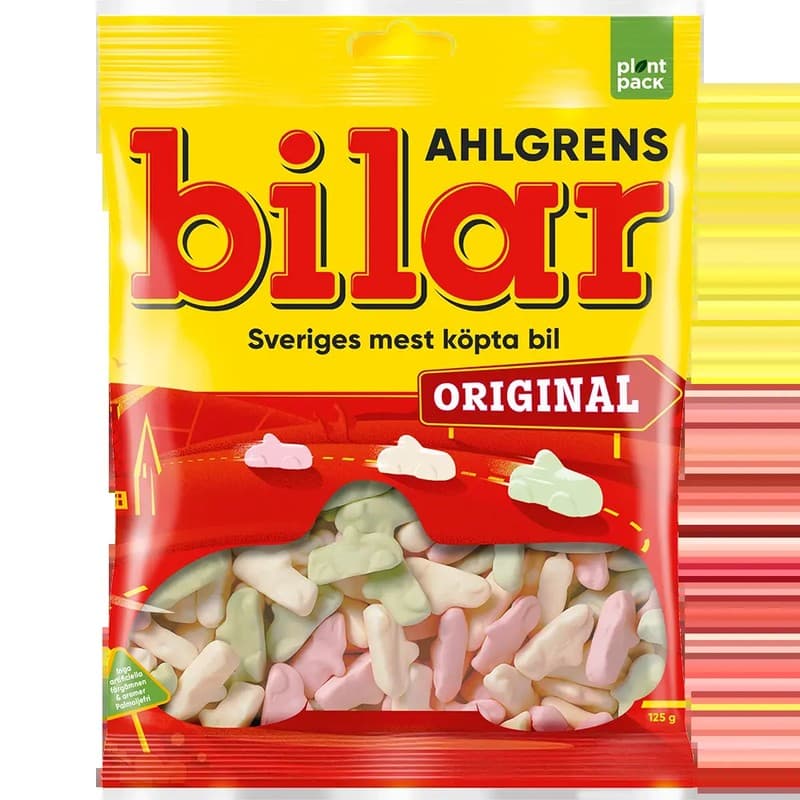
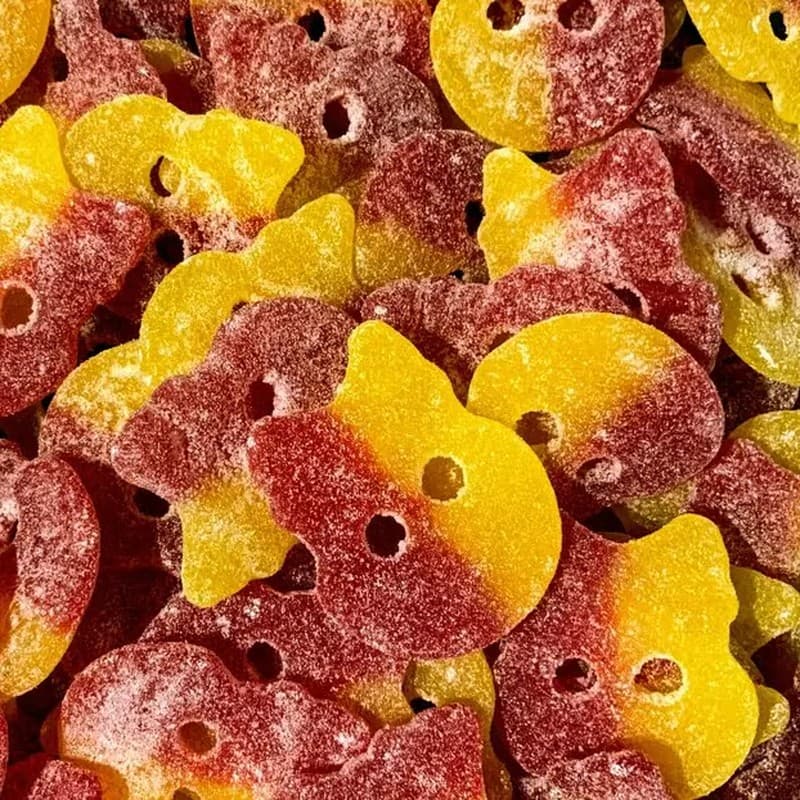
Families typically head to a local grocery store that has a well-stocked lösgodis section. These pick-and-mix candy displays are specifically designed for the Saturday tradition. Clear plastic bins filled with everything from Ahlgrens Bilar (those little car-shaped gummies) to licorice twists to BUBS Sour Skulls to chocolate-covered nuts line entire walls. Kids bring small bags or paper cones and fill them with their weekly selection.
This isn't a rushed transaction. Swedish kids take their time, comparing options, negotiating with parents ("Can I get two bags of licorice instead of one?"), and making deliberate choices. The act of selecting is as important as the eating.
Eating It That Day Only
Here's where the tradition shows its real structure: once you get home with your lördagsgodis, you eat it on Saturday. Not saved for later. Not rationed across the week. Not hidden in your room. The candy is consumed the same day you bought it, usually over the course of the afternoon and evening.
This creates a natural satiation point. Your stomach fills up. You get tired of sweets. By evening, you're done. Sunday arrives with a clean slate. Monday through Friday, candy becomes invisible and unnecessary again because the Saturday indulgence was thorough and complete.
The Economics of Childhood
Swedish kids often receive an allowance tied to lördagsgodis day. A typical allocation might be 50-100 Swedish kronor (roughly $5-10 USD) to spend on candy each Saturday. This teaches financial literacy early: you have a budget, you make choices about what's worth your money, and you live within that constraint. Do you buy the premium chocolate or stretch your money across more pieces of cheaper candy? These are the economic decisions children make on Saturdays.
Parents benefit from this system too. It's not "no candy ever" (which triggers rebellion) or "candy whenever you want" (which triggers dental nightmares). It's "here's your candy budget for the week, spend it wisely."
Why Lördagsgodis Is Genuinely Genius
Moderation Without Deprivation
The psychological insight behind lördagsgodis is profound: restriction is easier to maintain when it comes with a release valve. A child who's told "you can never have candy" will obsess over candy, sneak it, and eventually rebel spectacularly. A child who's told "you get candy every Saturday, as much as you want" doesn't develop an unhealthy fixation because the craving is addressed regularly.
This is why the "everything in moderation" approach often fails. Actual moderation is psychologically harder than structured indulgence. It requires constant willpower. Lördagsgodis removes that daily friction by saying: no willpower needed Monday-Friday, because Saturday is designated candy day.
The Anticipation Factor
Parents and psychologists understand that anticipation amplifies pleasure. If you eat candy regularly, each piece is just another sweet. If you eat candy once a week, you spend the entire week looking forward to Saturday. The anticipation makes the eventual experience more intense and satisfying. One piece of lördagsgodis brings more joy than three pieces of random candy on a random Tuesday.
Dental Health That Actually Works
The Vipeholm discovery wasn't just academically interesting — it actually worked when applied at a population level. Sweden's adoption of lördagsgodis corresponded with significantly better dental health outcomes compared to countries with unrestricted candy access. Swedish kids didn't eat less candy overall; they just ate it strategically.
Teaching Constraint and Self-Control
Lördagsgodis teaches children that they can enjoy something thoroughly without losing control. It's a masterclass in delayed gratification. Kids learn that they can say no to sweets on Tuesday not because sweets are evil, but because they have something better coming on Saturday. This is a fundamentally different psychological foundation than shame-based restriction.
The Modern Evolution: Adults Do Lördagsgodis Too
Here's something that surprises outsiders: lördagsgodis doesn't end in childhood. Many Swedish adults continue the tradition into adulthood, and it's not uncommon to see parents and their grown children shopping for lösgodis together on Saturday.
For adults, the motivation shifts. It's not enforced by parents — it's self-imposed. Adults choose lördagsgodis because they've internalized its logic. They understand that having a designated day for indulgence is actually better than trying to moderate daily. Some Swedes view lördagsgodis as a mental health tool: a structured way to enjoy small pleasures without sliding into habit.
There's also a nostalgic component. For Swedish adults, Saturday candy shopping is tied to childhood memories, family traditions, and national identity. Even if they don't think about the dental science behind it, they continue the practice because it feels right, feels Swedish, and connects them to their upbringing.
Lördagsgodis Around the World: The Swedish Export
As Swedish candy has exploded globally, so has interest in the lördagsgodis tradition. Swedish expatriates maintain the practice abroad. International candy enthusiasts curious about why Swedish candy has become so globally popular are discovering that the candy itself is inseparable from the cultural context.
The history of Swedish candy is partly a story of how one nation solved a problem (how do you let kids enjoy sweets while preserving their teeth?) and created a beautiful tradition in the process.
How to Do Your Own Lördagsgodis in the United States
The Core Elements You Need
You don't need to live in Sweden to adopt lördagsgodis. The tradition is straightforward and translates easily to American life:
- Pick one day a week. Saturday is traditional, but any day works — some families use Friday, others use Sunday. The consistency matters more than the specific day.
- Find a pick-and-mix source. This might be a local candy store with bulk bins, a specialty retailer, or an online Swedish candy supplier.
- Set a budget. Give yourself or your children an allowance for that day. $5-15 depending on family preference is reasonable.
- Make it a ritual. Go to the store together, spend time selecting, enjoy the experience as much as the candy.
- Eat it that day. This is the key. Don't ration it across the week. Consume your selections on your candy day.
Finding Swedish Candy in America
The challenge for American lördagsgodis is sourcing authentic Swedish candy. American candy stores might have some options, but for the full lösgodis experience, you'll want access to the real variety. Swedish candy online retailers now ship across the US and have curated selections of classic Swedish favorites. Look for retailers that offer bulk options and pick-and-mix selections.
Some Americans create hybrid lördagsgodis using Swedish candy combined with quality American or international candies from specialty stores. The key isn't that every piece is Swedish — it's that you're being intentional about your selection and creating a weekly ritual around it.
Making It Meaningful
The actual candy you choose matters less than the structure you create. The real value of lördagsgodis is psychological: you're teaching yourself or your children that delayed gratification can be enjoyable, that restrictions can coexist with pleasure, and that rituals matter.
If you're doing this with kids, emphasize the anticipation: "We're going to pick out our candy on Saturday. What are you going to choose?" Let them make decisions. Make the selection process as much fun as the eating. This isn't just about satisfying a sweet craving — it's about building a healthy relationship with food and indulgence.
The Deeper Wisdom of Lördagsgodis
Sweden solved a genuinely difficult problem: how do you let people (especially children) enjoy sweets while maintaining health and preventing unhealthy fixation? The answer wasn't abstinence or shame. The answer was structure, intentionality, and a single designated day.
There's a lesson in this that extends beyond candy. In a world of constant access to everything (food, entertainment, shopping), creating boundaries and designated indulgence days might be one of the smartest things we could borrow from Swedish culture. You don't need to deprive yourself. You just need to concentrate your indulgence into moments that matter.
That's lördagsgodis: a tradition born from dark dental science experiments, refined into a system that actually improves health, and evolved into something that speaks to how we want to live — with joy, structure, and intention.
FAQ: Lördagsgodis Questions Answered
What happens if a Swedish child wants candy on a day other than Saturday?
In most Swedish households, the answer is simply "no." But it's not harsh because everyone knows Saturday is coming. The structure removes daily negotiation. Instead of a weekly battle ("Can I have candy?"), it's a weekly ritual ("It's Saturday, let's go get your lördagsgodis"). Some families are flexible for special occasions, but the core tradition maintains Saturday as the designated day.
Do Swedish kids actually stick to eating their lördagsgodis only on Saturday?
Generally, yes. The tradition is so culturally ingrained that most Swedish children naturally finish their candy by Saturday night or Sunday morning. There's a combination of factors: they eat to satiation, their peers are doing the same thing, and the structure is reinforced by parents and society. That said, the real magic is the psychological framework, not perfect compliance. Even if some candy stretches into Sunday, the system is still dramatically better than unrestricted access.
Has lördagsgodis actually improved Sweden's dental health?
Yes. Swedish dental health statistics have historically been very strong compared to many Western nations, and the adoption of lördagsgodis played a documented role in that improvement. Of course, other factors matter too (fluoride in water, good healthcare access, education), but the concentrated-sugar-consumption model demonstrably works. Sweden didn't achieve good teeth through deprivation — they achieved it through smart timing.

Founder & Editor
Former Swedish candy & FMCG professional turned US-based founder of SwedishCrave. Built the site to fill the gap he saw when he moved stateside.