Good news for vegans: Sweden has a stronger vegan candy game than most countries. Several major Swedish candy brands make gelatin-free gummies that are fully vegan. But there are traps — here's your complete guide.
The Quick Answer
- BUBS: Fully vegan. All products are gelatin-free, palm-oil-free, and use plant-based ingredients only
- Kolsvart: Vegan licorice options available
- Malaco: Mixed — some products contain gelatin, some don't. Check each product
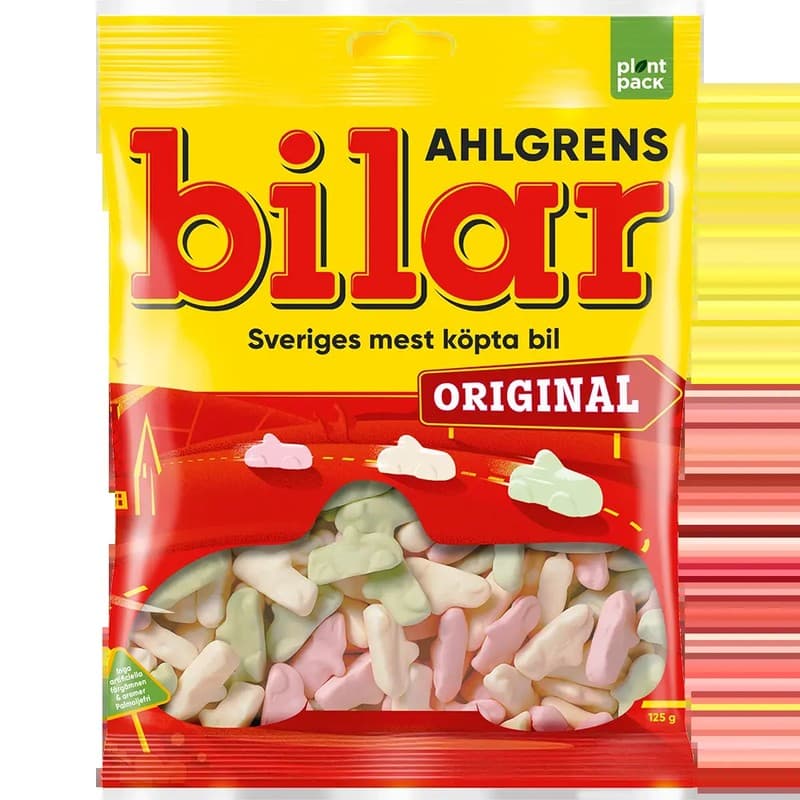
- Ahlgrens Bilar: Contains gelatin — NOT vegan
- Marabou chocolate: Contains dairy — NOT vegan (but IS gelatin-free)
- Rule of thumb: If it's foam or gummy, check for gelatin. If it's chocolate, check for dairy
Why Swedish Candy Has a Vegan Advantage
Swedish candy manufacturers were ahead of the curve on plant-based candy. While American gummy makers were (and mostly still are) relying on animal-derived gelatin, several Swedish brands developed plant-based alternatives that create genuinely different — and often better — textures.
This wasn't driven by vegan activism. It was driven by ingredient innovation and consumer preference. Swedish consumers started demanding cleaner ingredient lists years before the American "clean label" movement gained traction. Brands that could deliver on taste while simplifying their ingredients won market share.
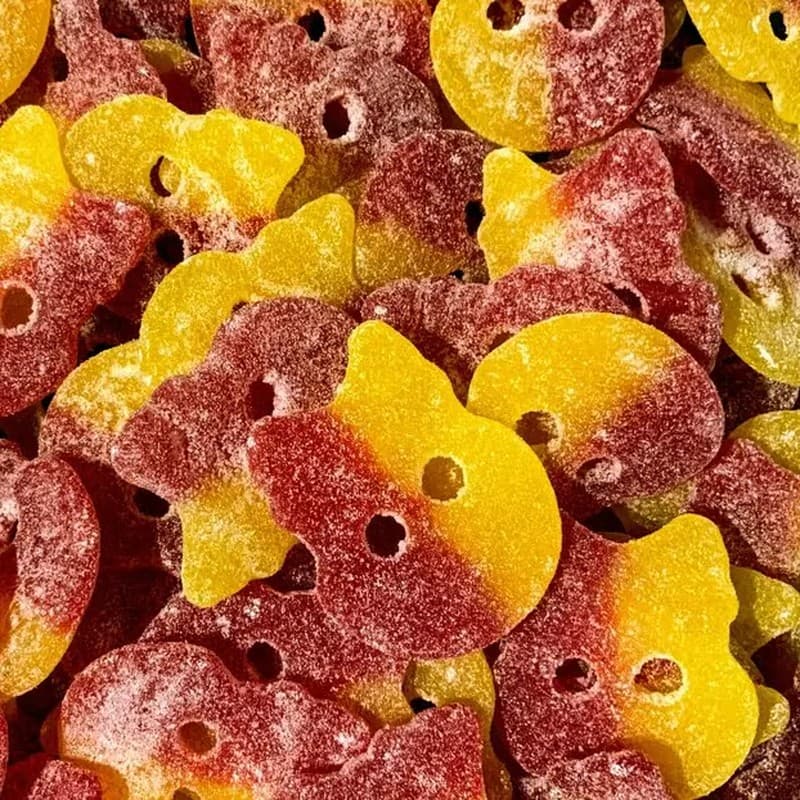
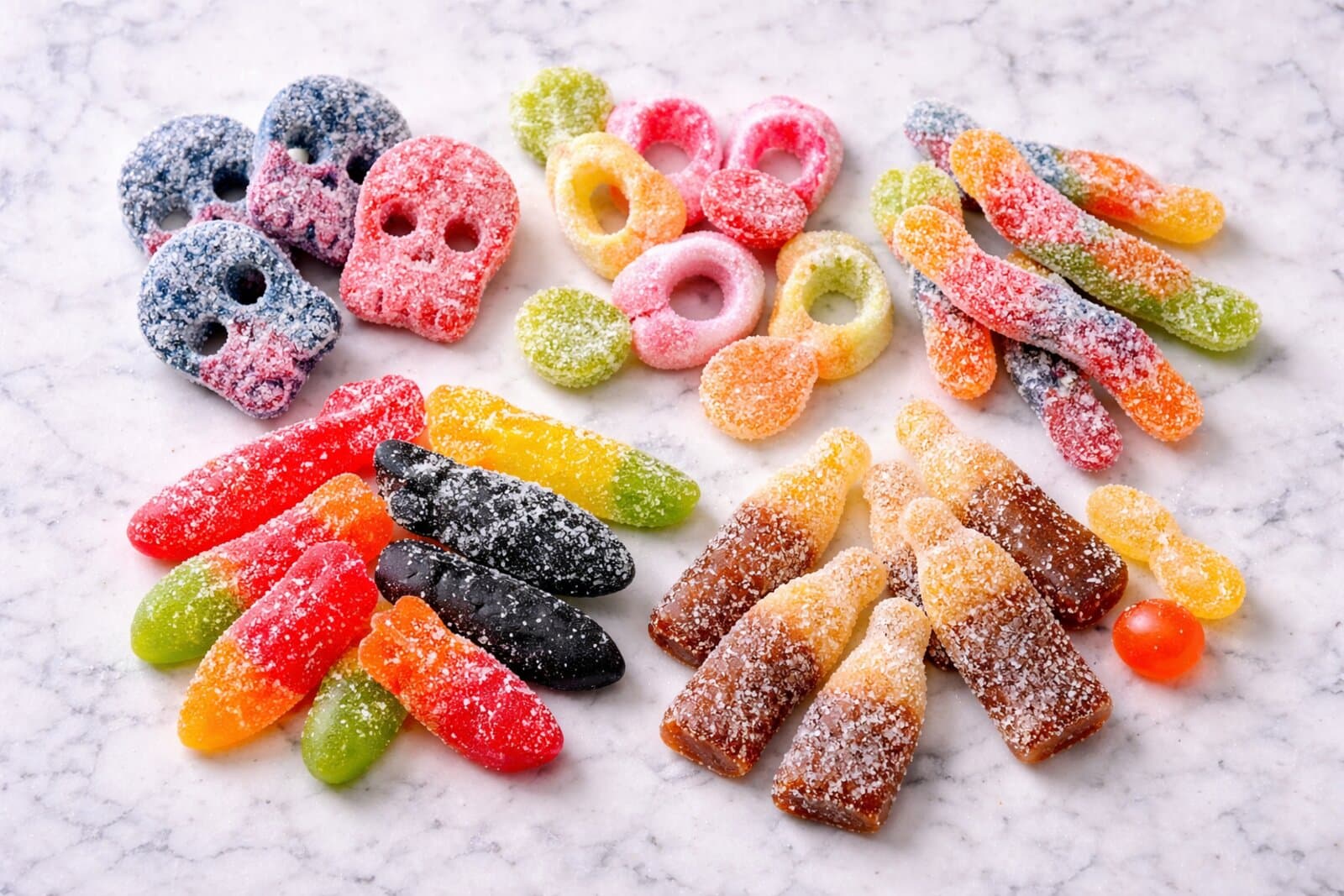
BUBS, Sweden's most internationally recognized candy brand, made the most decisive move: their entire product line is vegan. Every Sour Skull, every Watermelon gummy, every product they make uses exclusively plant-based ingredients. No gelatin. No palm oil. No artificial dyes. This isn't a niche product line — it's their entire business.
Understanding Gelatin in Candy
Gelatin is the single biggest ingredient that determines whether a gummy or foam candy is vegan. It's derived from animal collagen — typically from pig skin, cattle bones, or fish. It creates the bouncy, jiggly texture that most people associate with gummy candy.
The problem for vegans (and many vegetarians, Muslims, Jews, and people who just prefer plant-based products) is that gelatin is invisible. You can't taste it. You can't see it. You only know it's there by reading the ingredient list. And in American candy, it's in almost everything chewy.
What Swedish Brands Use Instead
Swedish manufacturers have developed several gelatin alternatives that produce different but equally satisfying textures:
Modified corn starch — Creates a softer, more dissolving texture than gelatin. This is the primary gelling agent in many BUBS products and gives Swedish gummies their characteristic "foam" quality.
Potato protein — Used by some Scandinavian manufacturers to add structure without animal products. Provides a slightly firmer texture than corn starch alone.
Agar-agar — Derived from seaweed, this creates a firm gel that's common in Japanese confectionery and increasingly used in Swedish candy.
Pectin — Fruit-derived gelling agent that creates a softer, more tender texture. Used in some fruit-flavored Swedish gummies.
The texture difference between gelatin-based and plant-based gummies is real. Swedish plant-based gummies tend to have a "foamy" chew rather than the "bouncy" chew of gelatin gummies. Many people actually prefer the plant-based texture — it's lighter, dissolves more cleanly, and doesn't leave a residue on your teeth.
Brand-by-Brand Vegan Guide
BUBS — Fully Vegan
BUBS, founded in 1992 by the Lindstrom family in Sweden, made the most radical commitment: every product is vegan. This includes their entire range of sour candies, foam candies, and everything in between.
Key vegan BUBS products:
Sour Skulls — The iconic skull-shaped sour gummies. Fully vegan, naturally colored, no palm oil.
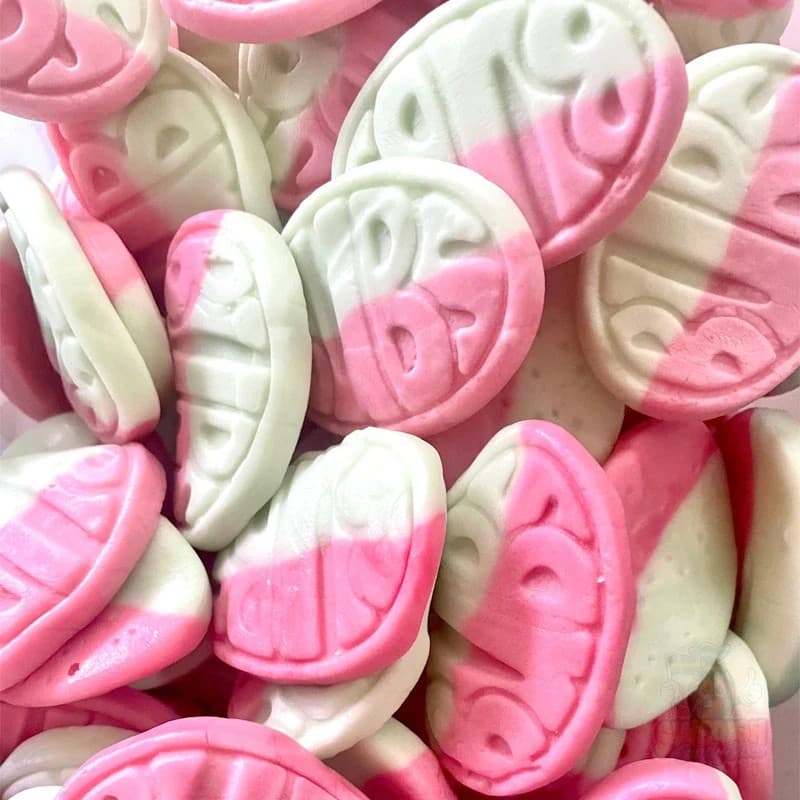
Watermelon — Sour watermelon gummies with plant-based coloring from fruit concentrates.
Cool Cola — Cola-flavored gummies with a hint of cooling effect. Plant-based throughout.
Cool Raspberry Skull — Raspberry sour skulls with cooling sensation. Vegan.
BUBS has become the default recommendation for vegans looking for Swedish candy, and it's easy to see why. The commitment is absolute — there's no "check the label" uncertainty.
Malaco — It Depends on the Product
Malaco, one of Sweden's largest candy producers, has a mixed lineup. Some products are vegan, others contain gelatin. You need to check each product individually.
Generally vegan: Most Malaco hard licorice products and licorice pastilles don't contain gelatin. Their licorice range is largely plant-based.
Generally NOT vegan: Most Malaco gummy and foam products contain gelatin. Gott Och Blandat (Good and Mixed), one of their best sellers, typically contains gelatin.
The Malaco rule: licorice is usually safe, gummies usually aren't. But always verify with the specific product's ingredient list.
Ahlgrens Bilar — NOT Vegan
Ahlgrens Bilar, Sweden's best-selling candy, contains gelatin. This is unfortunate for vegans because Bilar is such an iconic product. The gelatin provides the specific foam texture that defines Bilar — that gentle, dissolving quality that makes the candy unique.
As of now, there's no vegan version of Ahlgrens Bilar. Cloetta (the parent company) hasn't announced plans for a gelatin-free variant. If you're vegan and want a similar experience, BUBS foam products offer the closest texture comparison, though the flavor profile is different.
Marabou and Swedish Chocolate — Gelatin-Free, But Not Vegan
Marabou chocolate doesn't contain gelatin — chocolate doesn't need it. However, milk chocolate contains dairy by definition, which means it's vegetarian but not vegan. Marabou's entire milk chocolate range uses real Scandinavian dairy.
For vegan chocolate options, look for Marabou's premium dark chocolate varieties (70%+ cocoa) — some of these may be dairy-free, though you should verify each product. Fazer also produces some dark chocolate options that may work for vegans.
Kolsvart — Vegan-Friendly Licorice
Kolsvart, Sweden's artisanal licorice brand, offers vegan options in their range. Their licorice products tend to use simpler, plant-based ingredient lists consistent with their premium, clean-label positioning.
The Ingredients You're Looking For (and Avoiding)
Non-Vegan Ingredients in Swedish Candy
Gelatin (gelatin, gelatin from pork/beef) — The most common non-vegan ingredient. Found in gummies, foam candies, and marshmallow products.
Beeswax (E901) — Used as a glazing agent on some hard candies and licorice. Technically not vegan.
Shellac (E904) — Another glazing agent derived from insects. Less common in Swedish candy than American candy, but it appears occasionally.
Carmine (E120) — A red coloring derived from cochineal insects. Some Swedish candies use it, though many have switched to plant-based red colorants like beetroot.
Dairy (milk, milk powder, whey, lactose) — Present in all milk chocolate and some licorice products.
Vegan-Friendly Ingredients to Look For
Modified starch (corn starch, potato starch) — Plant-based gelling agents. If you see these instead of gelatin, that's a good sign.
Agar (E406) — Seaweed-based gelling agent. Vegan.
Pectin (E440) — Fruit-derived gelling agent. Vegan.
Gum arabic (E414) — Tree-derived stabilizer. Vegan.
Natural colorings (E162 beetroot red, spirulina, turmeric) — Plant-based colors indicate a manufacturer that's likely also avoiding animal-derived ingredients.
How to Read Swedish Candy Labels
Swedish candy labels follow EU regulations, which require clear ingredient listing. The E-number system used in Europe makes identification straightforward once you know the codes.
Look for these labels and certifications:
"Vegansk" or "Vegan" — Direct vegan labeling. BUBS products typically carry this.
"Gelatinfri" or "Gelatin-free" — Confirms no gelatin, but doesn't guarantee fully vegan (could still contain dairy or beeswax).
"Laktosfri" or "Lactose-free" — No dairy. Combined with gelatin-free, usually indicates vegan.
When buying online from US retailers, ingredient lists are often translated or shown in both Swedish and English. If only Swedish ingredients are shown, look for "gelatin" (spelled the same in Swedish) and "mjolk" (milk) as the key non-vegan indicators.
The Texture Trade-Off: Is Vegan Swedish Candy As Good?
This is the question everyone asks, and the honest answer is: it's different, and most people think it's at least as good.
Gelatin-based gummies have a specific bouncy, springy texture. Plant-based Swedish gummies have a softer, more dissolving texture — often described as "foamy." Neither is inherently better; they're different eating experiences.
BUBS has proven that plant-based candy can be wildly popular with non-vegan consumers. Their Sour Skulls are among the most popular Swedish candies globally, and most people buying them aren't vegan — they just think the candy tastes great. The plant-based formulation is a bonus, not a compromise.
For sour candy especially, the plant-based texture arguably works better. Softer candy allows the sour coating to integrate more smoothly with the base flavor, creating a more cohesive taste experience than hard gelatin gummies where the sour coating sits on the surface.
Frequently Asked Questions
Are all BUBS candies vegan?
Yes. BUBS's entire product line is vegan, gelatin-free, palm-oil-free, and uses no artificial dyes. This applies to all their foamy candies, sour skulls, and every other product.
Is Swedish Fish vegan?
Swedish Fish (the American brand) is generally considered vegan — it doesn't contain gelatin. However, it's not actually Swedish. It's manufactured in Canada and has minimal connection to authentic Swedish candy. For genuinely Swedish vegan candy, look at BUBS products instead.
Can I find vegan Swedish licorice?
Yes. Many Swedish licorice products are naturally gelatin-free, especially hard licorice varieties from Malaco and artisanal brands like Kolsvart. Salmiak licorice is often vegan as well. Check individual products for dairy ingredients.
Why do some Swedish candies still use gelatin?
Some textures are difficult to replicate without gelatin. Ahlgrens Bilar, for example, has a very specific foam texture that the manufacturer hasn't been able to achieve with plant-based alternatives. Tradition also plays a role — some brands haven't reformulated classic recipes.
Where can I buy vegan Swedish candy?
BUBS products are widely available through online retailers and increasingly in US stores. Sockerbit offers a dedicated vegan candy collection. Check our where-to-buy guide for the most current retailer list.
The Bottom Line for Vegan Candy Lovers
Sweden's candy industry offers more vegan options than almost any other country's candy market. BUBS alone covers sour, sweet, and foam categories entirely with plant-based products. Combined with gelatin-free licorice options from Malaco and Kolsvart, vegans can experience the vast majority of Swedish candy culture without compromise.
The main things you'll miss are Ahlgrens Bilar (gelatin) and milk chocolate (dairy). For everything else, there's a vegan option — and in many cases, the vegan version is the one that's gone viral internationally.
Health & Nutrition Contributor
Registered nurse covering health, ingredients, and food safety for SwedishCrave — facts over fear-mongering.