The vast majority of Swedish candy is naturally gluten-free since gummies, licorice, and chocolate rarely contain wheat or barley. But there are exceptions and cross-contamination risks. Here's what you need to know.
Why Swedish Candy Is Mostly Gluten-Free
Gluten — the protein found in wheat, barley, rye, and their derivatives — rarely has a functional purpose in candy. Candy needs sugar, gelling agents, acids, and flavorings. Gluten isn't one of them.
Swedish candy manufacturers primarily use potato starch (potatisstärkelse) and corn starch (majsstärkelse) as thickeners and gelling agents. Neither contains gluten. This is different from some American candy brands that use wheat-based modified food starch, which is a concern for celiacs.
Sweden also has a higher-than-average celiac awareness. Approximately 1 in 100 Swedes has celiac disease (similar to global rates, but diagnosis rates are higher due to proactive screening). This cultural awareness means manufacturers are generally responsive to gluten-free labeling.
Brand-by-Brand Gluten-Free Guide
BUBS — Mostly Gluten-Free
BUBS is the safest bet for gluten-free Swedish candy. Their products use potato starch as the primary gelling agent, and most of their lineup is confirmed gluten-free. Specific products:
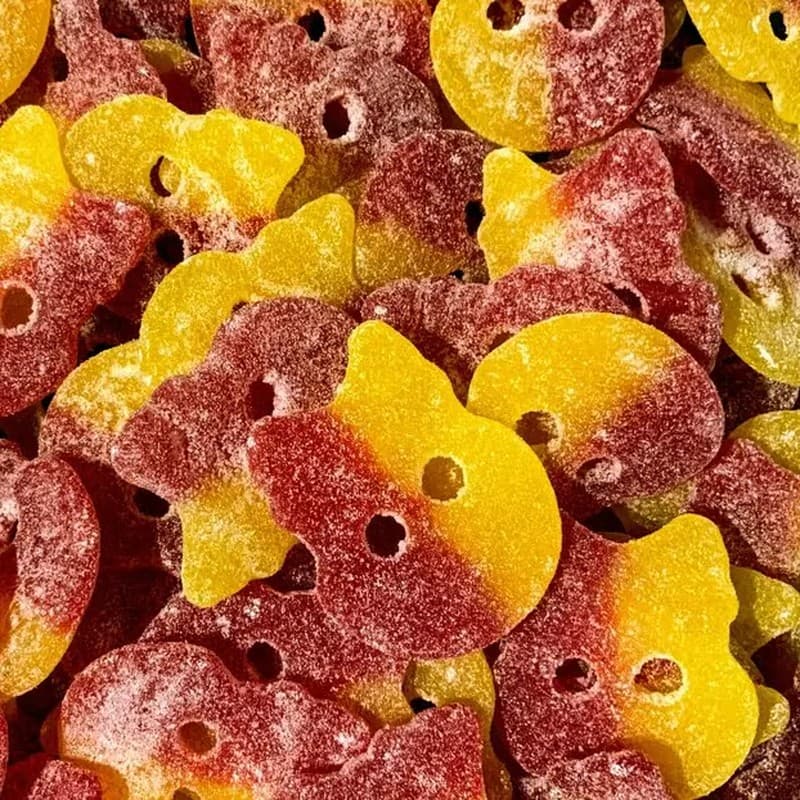
- Sour Skulls — Gluten-free ✅
- Watermelon — Gluten-free ✅
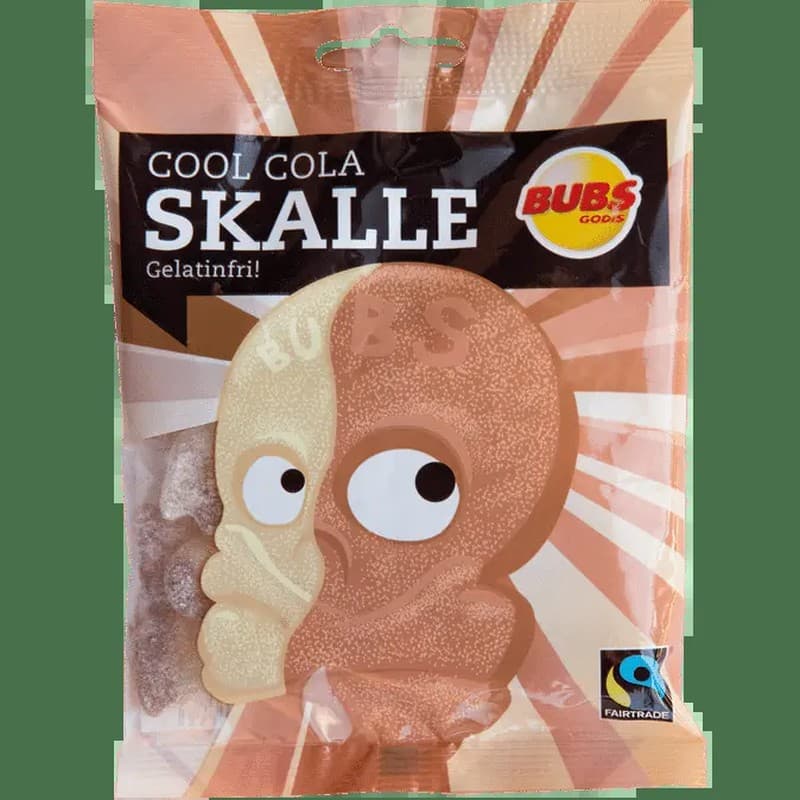
- Cool Cola — Gluten-free ✅
- Strawberry Vanilla — Gluten-free ✅
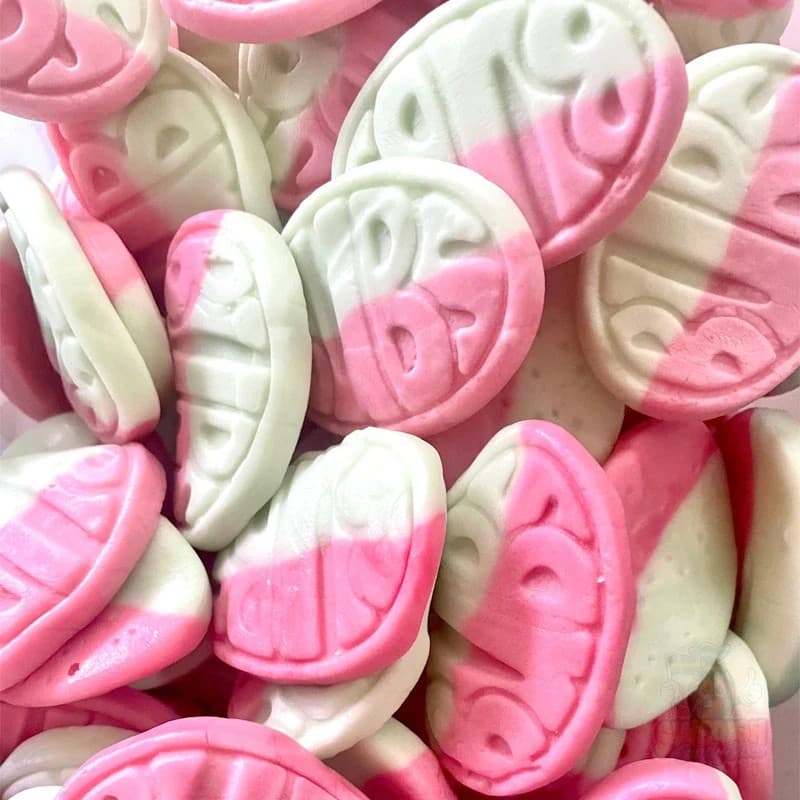
- Banana Ovals — Gluten-free ✅
Note: Always check the specific product packaging. BUBS occasionally introduces limited editions or new products that may have different formulations. But the core lineup is reliably gluten-free.
Ahlgrens Bilar — Gluten-Free
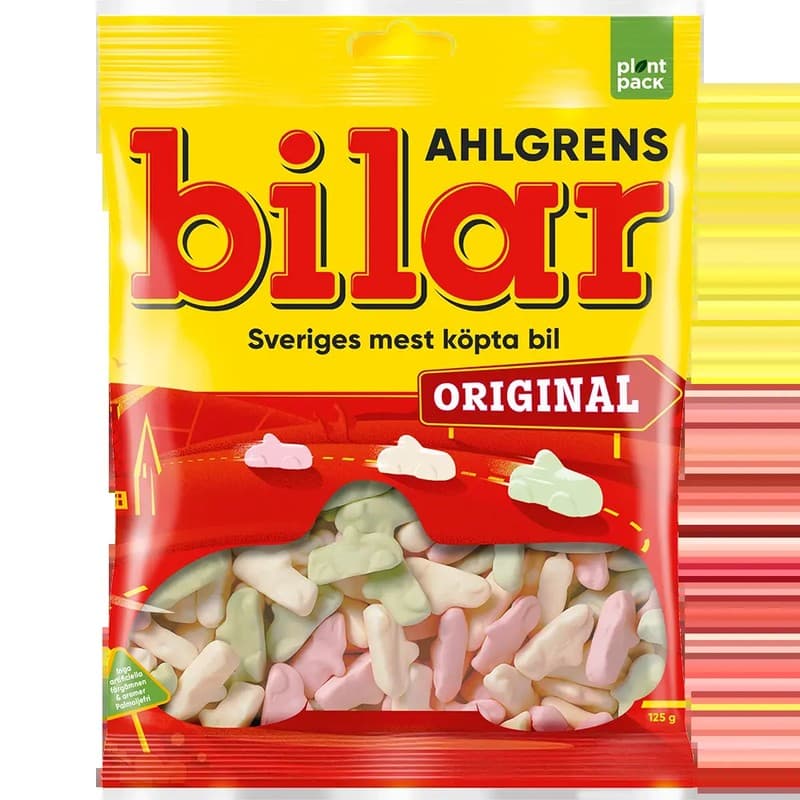
Ahlgrens Bilar (the iconic car-shaped marshmallow candy) is gluten-free. The main ingredients are sugar, glucose syrup, gelatin, and potato starch — no wheat-based ingredients. The same applies to the sour-coated variant (Bilar Sursockrade).
Malaco — Check Each Product
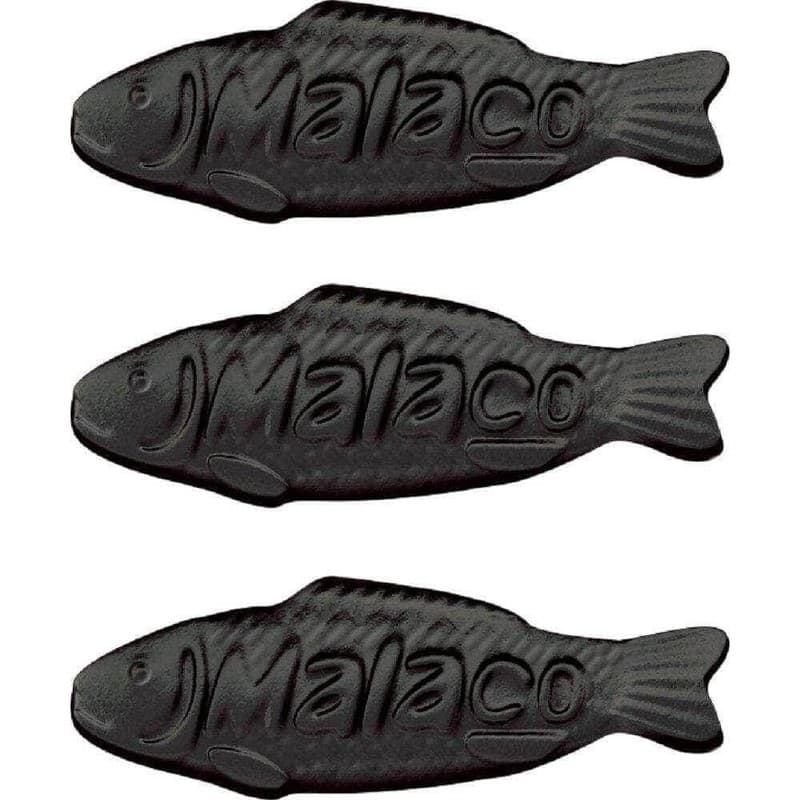
Malaco has a mixed lineup. Their gummy products are generally gluten-free, but some of their licorice products contain wheat flour as a binder. Specifically:
- Gott & Blandat — Most varieties gluten-free, but check the licorice pieces (some contain wheat flour) ⚠️
- Vattenmelon — Gluten-free ✅
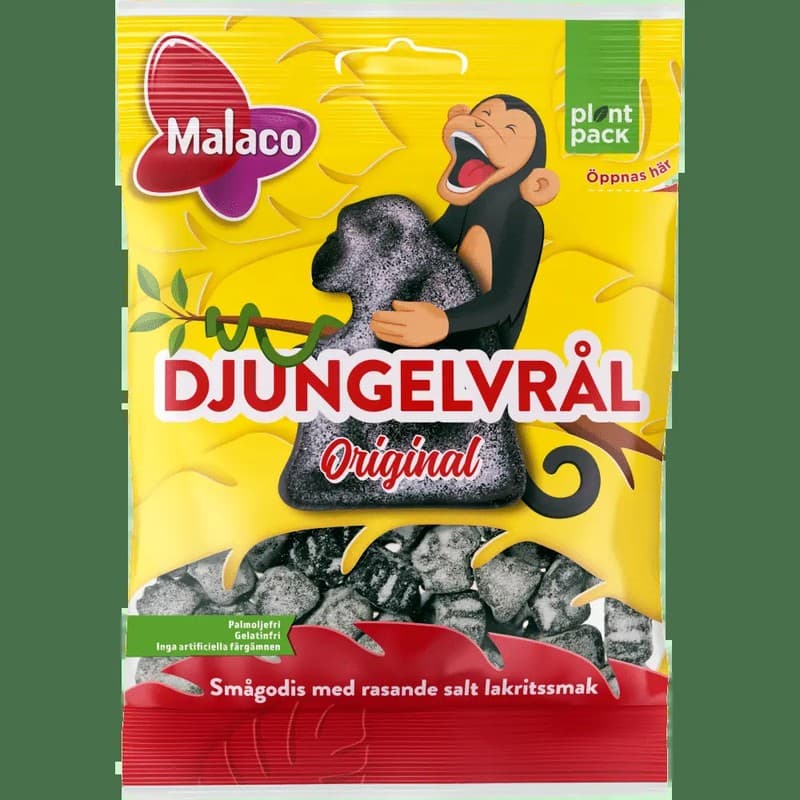
- Djungelvrål — Contains wheat flour ❌
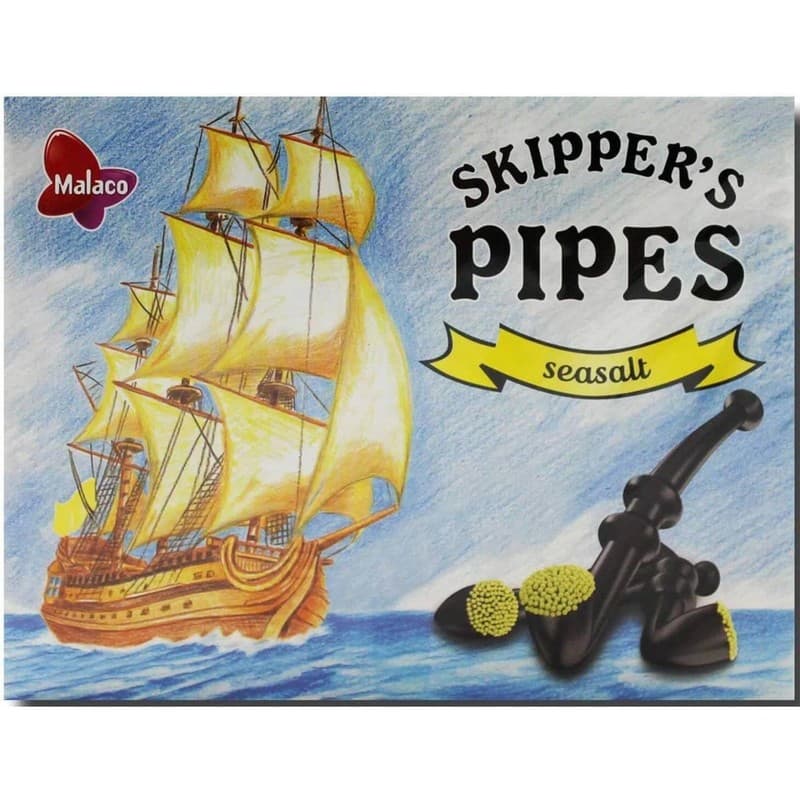
- Skipper's Pipes — Contains wheat flour ❌
The pattern: Malaco gummies are safe. Malaco licorice products need careful label checking.
Marabou Chocolate — Gluten-Free (Mostly)
Marabou chocolate is inherently gluten-free — cocoa, sugar, milk powder, and cocoa butter contain no gluten. However:
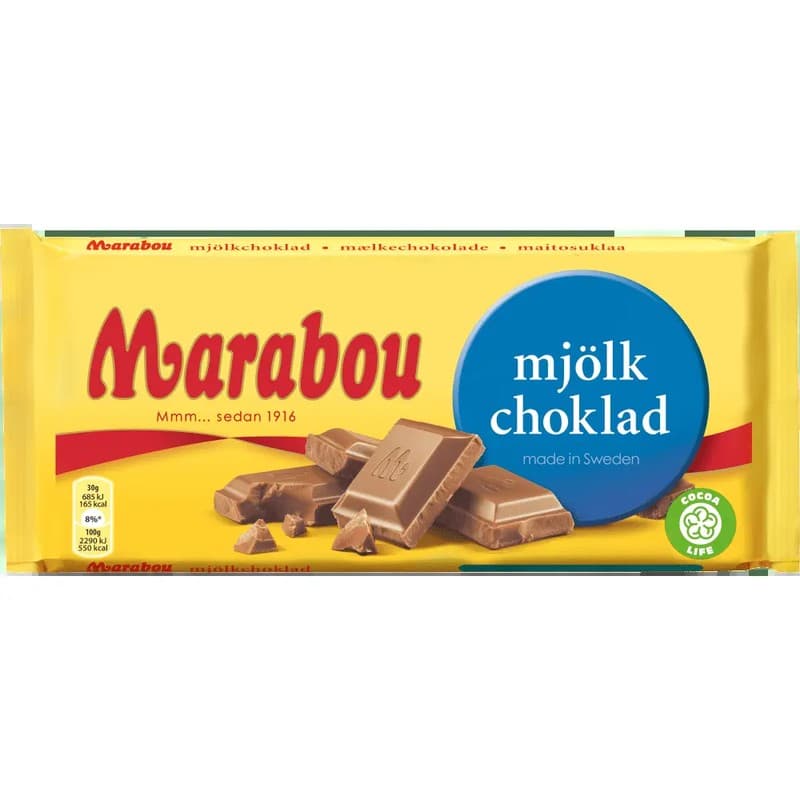
- Mjölkchoklad (plain milk chocolate) — Gluten-free ✅
- Schweizernöt (hazelnut) — Gluten-free (but contains nuts) ✅
- Marabou with cookie/biscuit pieces (Oreo, Digestive, etc.) — Contains gluten ❌
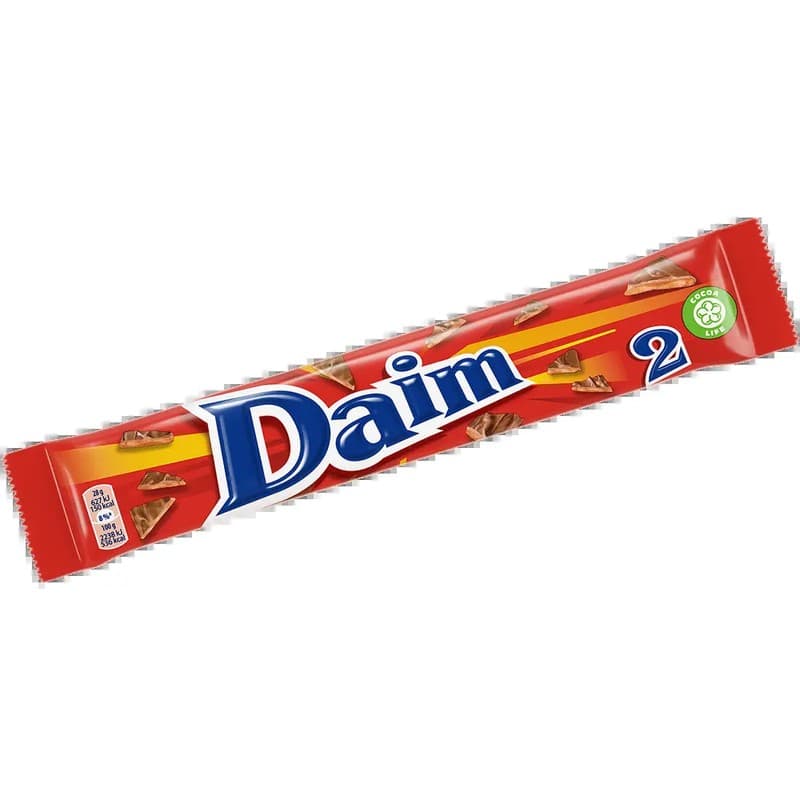
- Daim — Gluten-free ✅
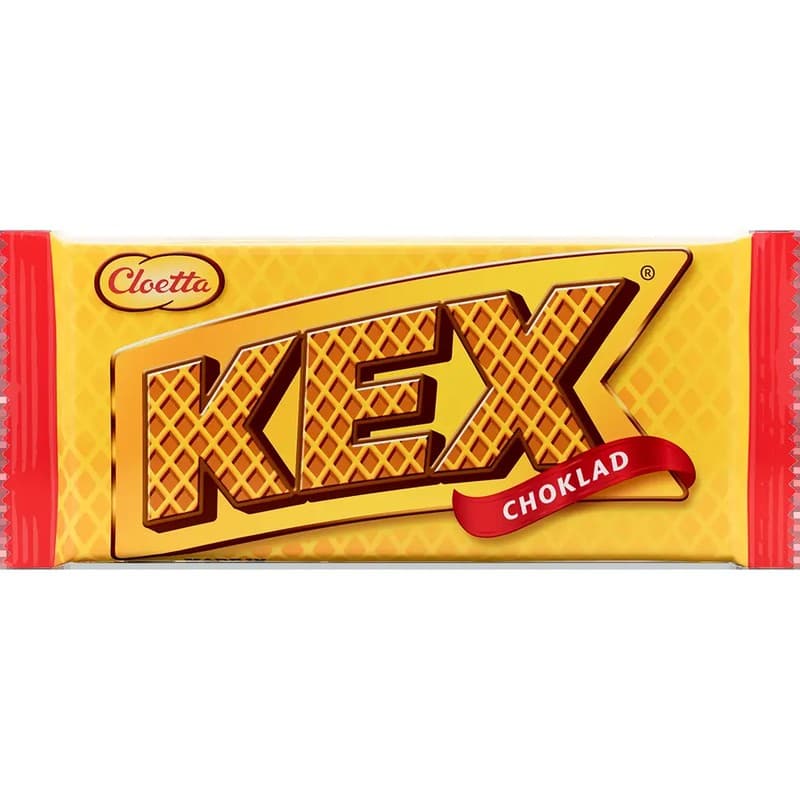
- Kexchoklad — Contains wheat (it's a wafer) ❌
Fazer — Gluten-Free (Plain Chocolate)
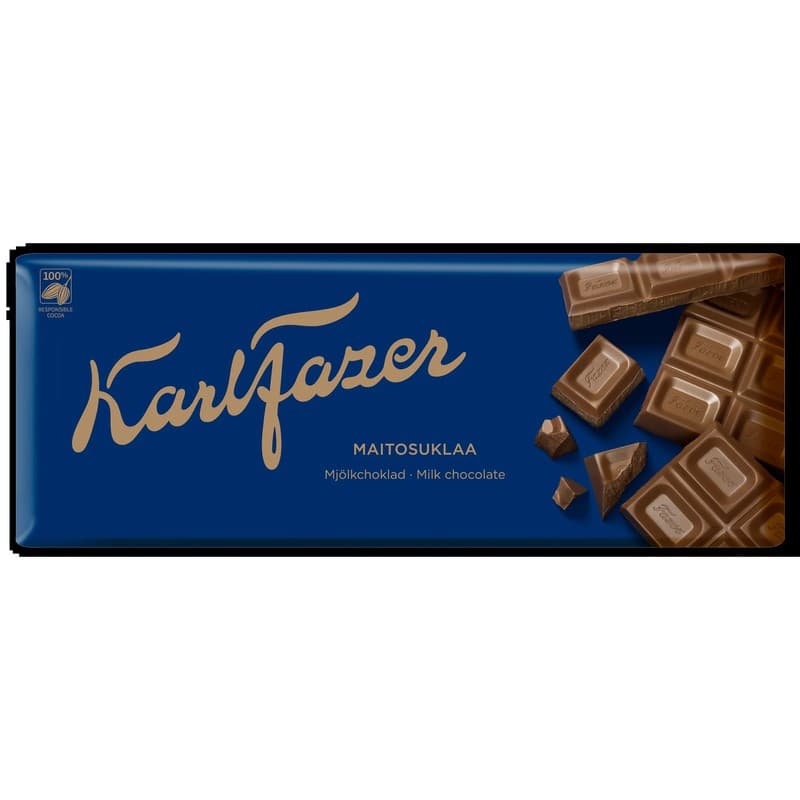
Fazer Blue (Fazerin Sininen) is gluten-free. Like Marabou, avoid the varieties with cookie or biscuit inclusions.
The Licorice Problem
Licorice is the one category where celiacs need to be careful. Traditional Scandinavian licorice recipes use wheat flour as a binder to create the firm, chewy texture. This affects products like:
- Djungelvrål (salted licorice) — Contains wheat flour
- Skipper's Pipes — Contains wheat flour
- Most traditional black licorice — May contain wheat flour
- Saltlakrits — Check each brand. Some use wheat, others don't.
However, newer licorice products are increasingly gluten-free, using alternative binders like corn starch. BUBS licorice products, for example, tend to be gluten-free. Always check the specific product.
Cross-Contamination: The Hidden Risk
For people with celiac disease (not just gluten sensitivity), cross-contamination is the bigger concern. A candy may have zero gluten ingredients but be produced in a facility that also processes wheat products. Swedish labels typically include allergen warnings like:
- "Kan innehålla spår av vete" — May contain traces of wheat
- "Tillverkad i en fabrik som även hanterar vete" — Manufactured in a facility that also handles wheat
These warnings don't mean the product definitely contains gluten — they mean the risk exists. For most gluten-sensitive people, these products are fine. For diagnosed celiacs, the decision is personal and should involve your doctor.
The EU's Gluten-Free Labeling Rules
The EU has clear, standardized rules for gluten-free claims:
- "Gluten-free" (Glutenfri): Must contain less than 20 parts per million (ppm) of gluten. This is the same threshold as the US FDA.
- "Very low gluten": Contains 20–100 ppm. This category doesn't exist in US labeling.
- Allergen declaration: EU law requires all 14 major allergens (including wheat) to be highlighted in bold on ingredient lists. This makes Swedish labels easier to scan than US labels, where allergen declarations vary in format.
Gluten-Free Swedish Candy Shopping List
Here's a safe shopping list for celiacs and gluten-sensitive buyers:
Safe Bets (Reliably Gluten-Free)
- All BUBS gummy products (Sour Skulls, Watermelon, Cool Cola, etc.)
- Ahlgrens Bilar (original and sour)
- Marabou Mjölkchoklad (plain chocolate)
- Daim
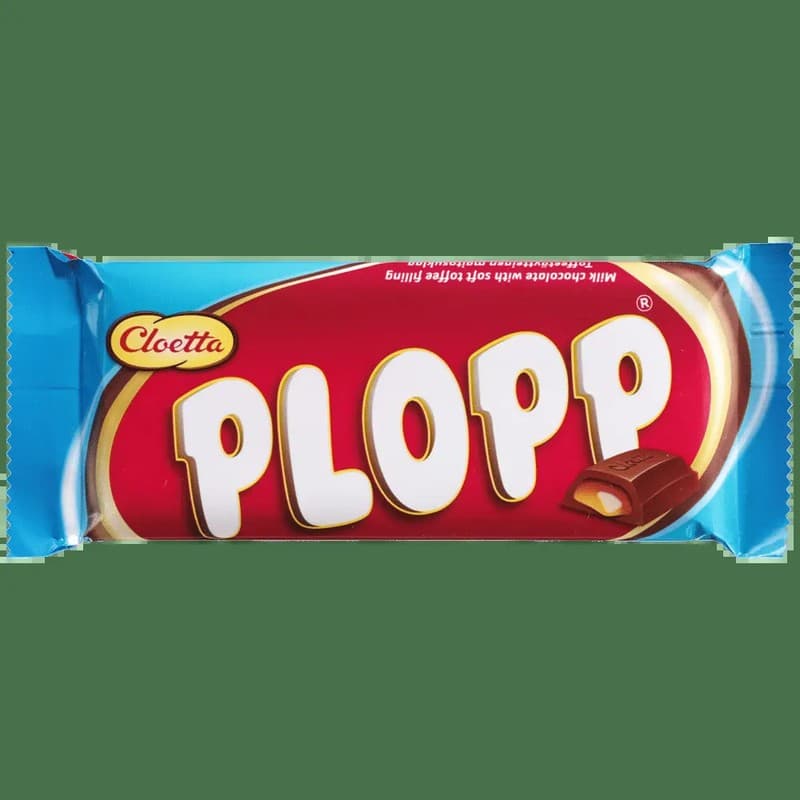
- Plopp
- Fazer Blue
- Polly
- Center
- Läkerol
- Tutti Frutti
- Most Swedish marshmallow (skumgodis) products
Proceed with Caution (Check Labels)
- Mixed candy bags (like Gott & Blandat) — individual pieces may vary
- Salt licorice — some brands use wheat flour, others don't
- Chocolate with inclusions (nuts are fine, cookies/wafers are not)
- Pick-and-mix selections — cross-contamination risk from shared scoops
Avoid (Contains Gluten)
- Kexchoklad (chocolate wafer — the name literally means "cookie chocolate")
- Djungelvrål (wheat flour in licorice)
- Skipper's Pipes (wheat flour in licorice)
- Any chocolate bar with biscuit, cookie, or wafer pieces
Tips for Buying Gluten-Free Swedish Candy Online
- Check product pages carefully. Reputable online stores like BonBon NYC and Sweetish Candy list allergen info on product pages.
- Ask the store. Good Swedish candy stores will answer allergen questions directly — it's part of the service culture.
- Start with BUBS. If you're celiac and want zero stress, the entire BUBS gummy lineup is your safest starting point.
- Avoid pick-and-mix if you're highly sensitive. Shared scoops and bins mean cross-contamination risk. Order pre-packaged items instead.
- Read Swedish labels using our ingredient translation guide — "vete" means wheat, "korn" means barley, "råg" means rye.
Frequently Asked Questions
Q: Is glucose syrup (glukossirap) gluten-free?
Yes, in practice. Glucose syrup can be derived from wheat, but the manufacturing process removes virtually all gluten protein. EU regulations state that wheat-derived glucose syrup is exempt from gluten allergen labeling because the gluten content is below detectable levels. The Celiac Disease Foundation also confirms glucose syrup is safe for celiacs. So even if you see "glukossirap (vete)" on a Swedish label, it's considered gluten-free.
Q: Are Swedish Fish gluten-free?
Swedish Fish (the American brand) are generally considered gluten-free, but they're not actually Swedish — they're made by Mondelez in the US. For authentic Swedish gummy fish, look for brands like BUBS or Malaco, which use potato starch and are reliably gluten-free.
Q: Can celiacs safely eat at BonBon NYC and other Swedish candy stores?
With caution. The pre-packaged items with clear ingredient labels are safe if they don't contain wheat ingredients. The pick-and-mix bins carry cross-contamination risk from shared scoops. If you're highly sensitive, ask staff for help — most Swedish candy stores are knowledgeable about allergens and can guide you to safe options or use fresh scoops.
Health & Nutrition Contributor
Registered nurse covering health, ingredients, and food safety for SwedishCrave — facts over fear-mongering.