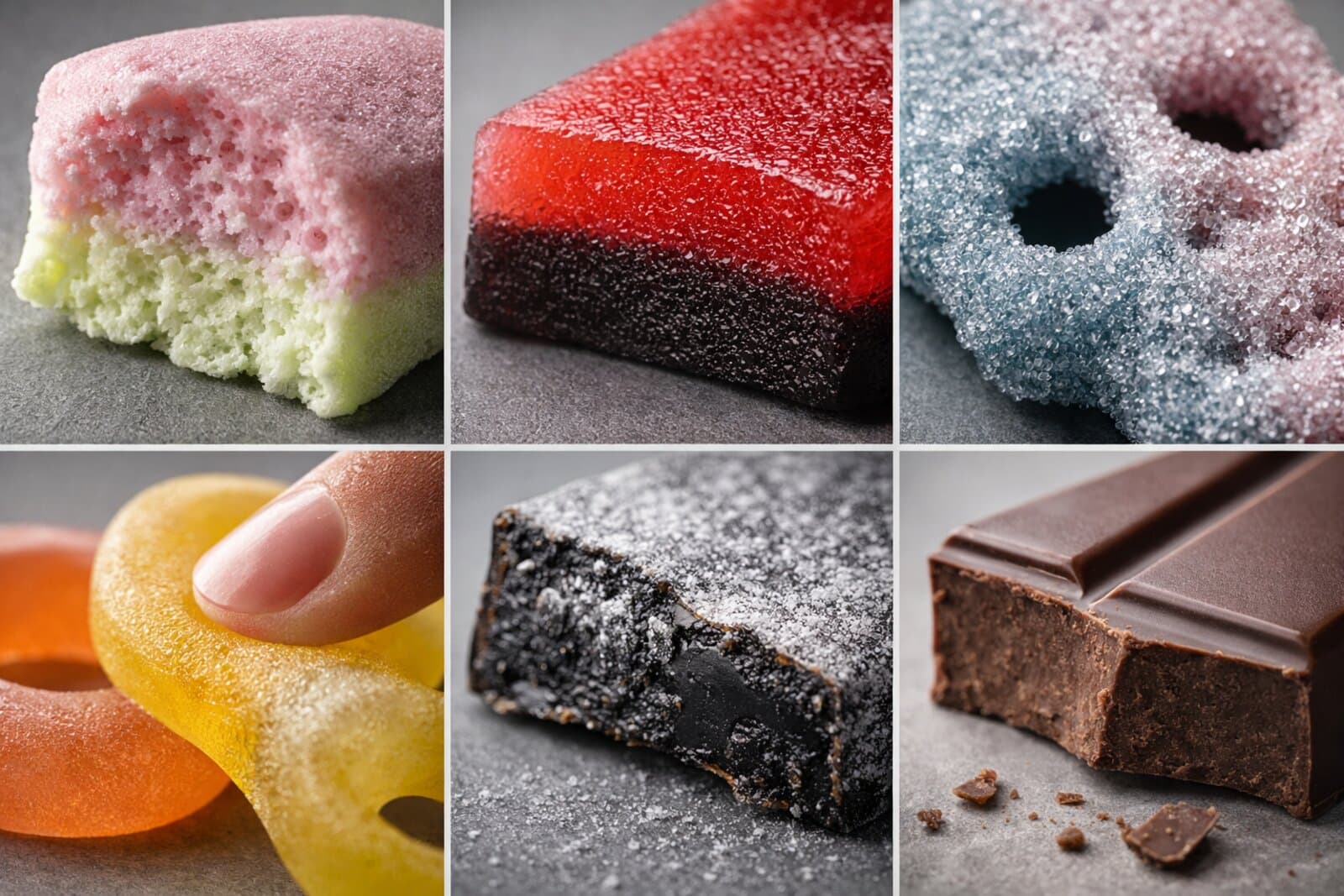
If you have food allergies, navigating Swedish candy requires some knowledge. Most gummies are nut-free, many are dairy-free, but chocolate products and some licorice varieties contain common allergens. Here's your complete guide.
EU Allergen Labeling: Better Than the US
Before diving into specific allergens, it's worth understanding why Swedish candy labels are easier to navigate than American ones.
The EU requires manufacturers to declare 14 major allergens, and these must be highlighted (usually in bold) within the ingredient list. The 14 allergens are: cereals containing gluten, crustaceans, eggs, fish, peanuts, soybeans, milk, tree nuts (almonds, hazelnuts, walnuts, cashews, pecans, Brazil nuts, pistachios, macadamia nuts), celery, mustard, sesame, sulphur dioxide, lupin, and molluscs.
The US FDA requires only 9 major allergens (adding sesame as of 2023): milk, eggs, fish, crustaceans, tree nuts, peanuts, wheat, soybeans, and sesame. The EU covers 5 additional allergens and requires them in bold — making it easier to spot allergens at a glance on Swedish labels.
Allergen-by-Allergen Breakdown
Nuts (Peanuts & Tree Nuts)
Risk level: LOW for gummies, MODERATE for chocolate
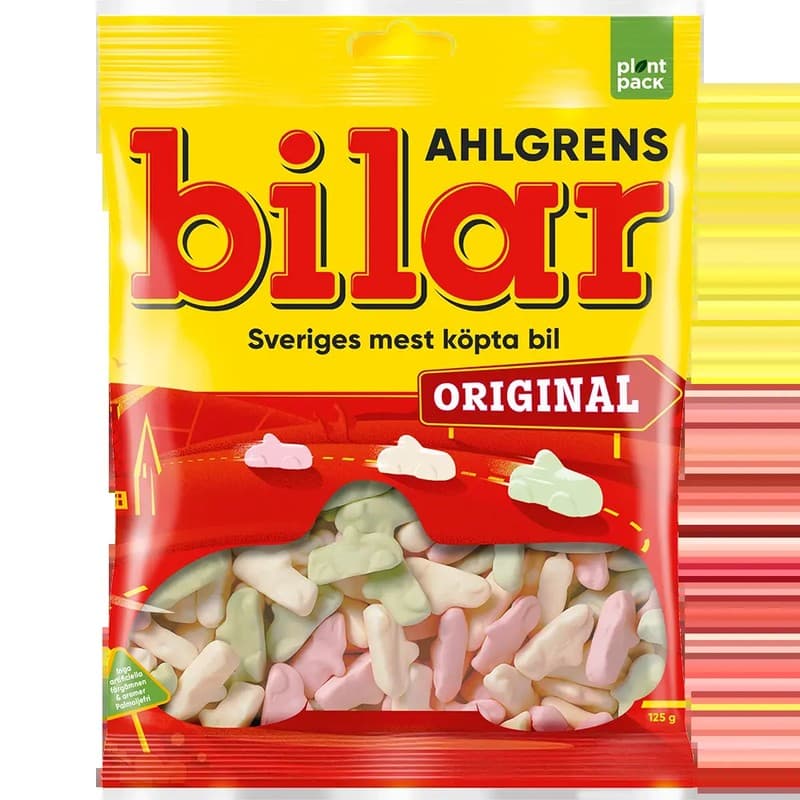
Swedish gummy candy is overwhelmingly nut-free by formulation. BUBS, Malaco gummies, and Ahlgrens Bilar contain no nut ingredients. The risk is cross-contamination — many Swedish candy factories produce both nut-free and nut-containing products on shared equipment.
Chocolate is the main concern:
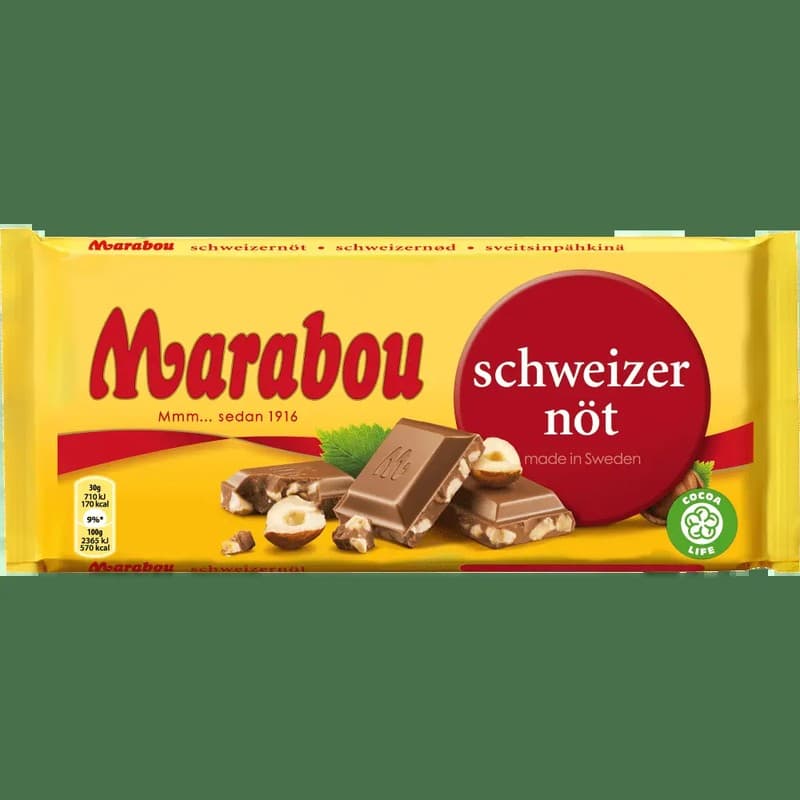
- Marabou Schweizernöt — Contains hazelnuts
- Marabou Nöt/Cashew varieties — Contain specific tree nuts
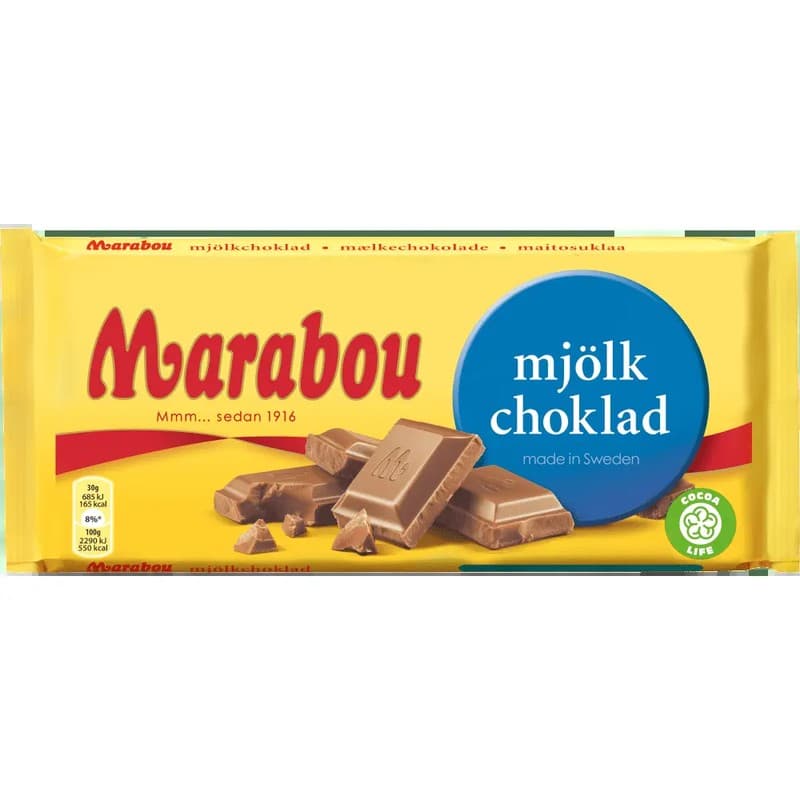
- Marabou Mjölkchoklad (plain) — No nut ingredients, but "may contain traces of nuts" due to shared production lines
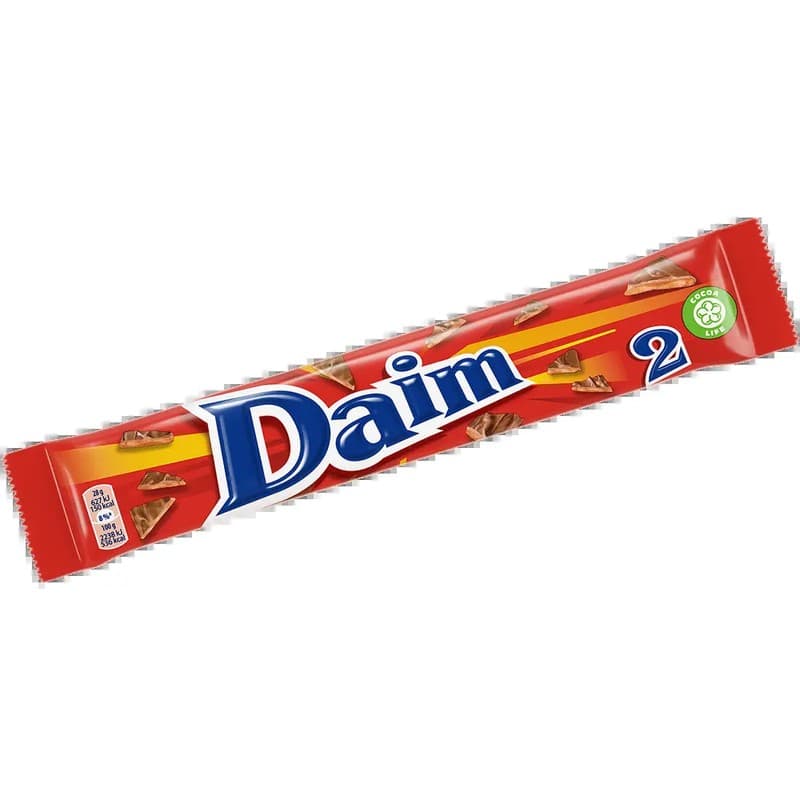
- Daim — No nut ingredients, but produced in facilities handling nuts
- Center — Contains nougat with almonds
Safest picks for nut allergies: Stick to BUBS gummies, Ahlgrens Bilar, Malaco gummies, and pre-packaged licorice. Avoid all chocolate unless the label explicitly confirms nut-free production.
Dairy (Milk)
Risk level: LOW for gummies, HIGH for chocolate
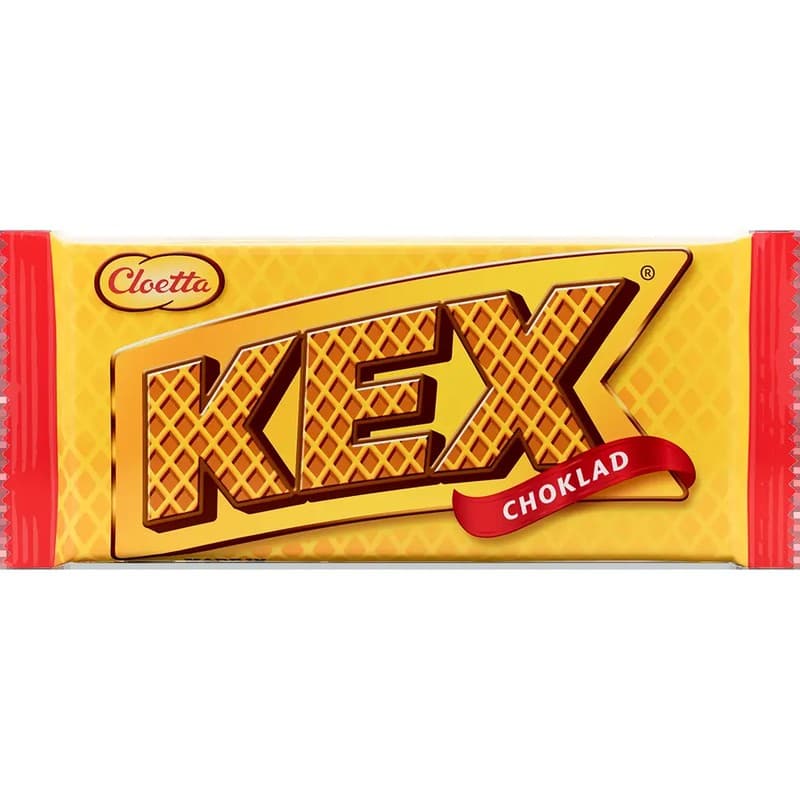
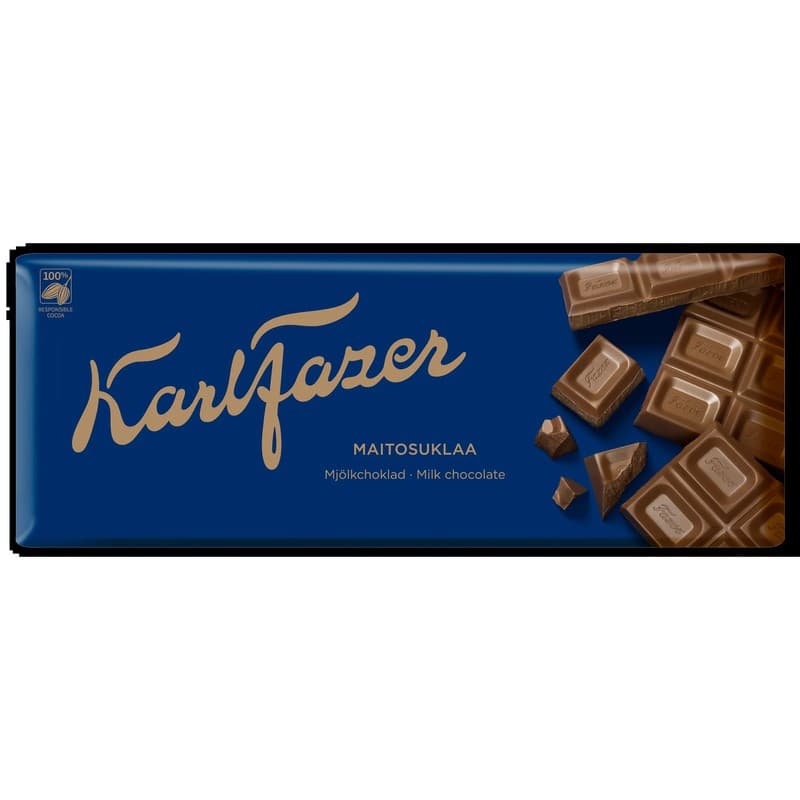
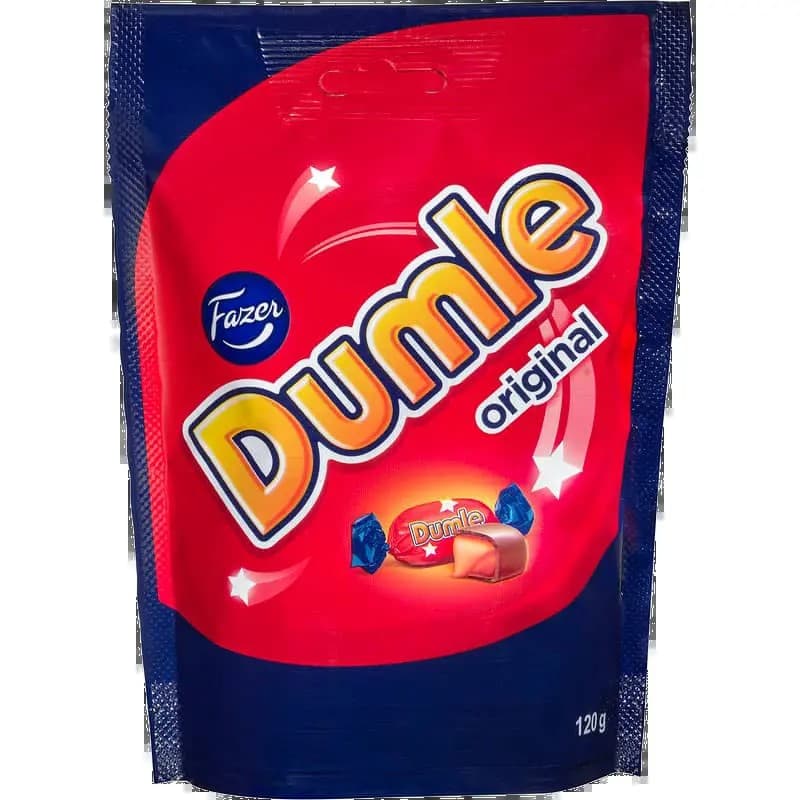
All milk chocolate (by definition) contains dairy. Marabou Mjölkchoklad, Fazer Blue, Kexchoklad, Plopp, and Dumle all contain milk or whey powder.
Swedish gummies are mostly dairy-free:
- All BUBS products — Dairy-free ✅
- Ahlgrens Bilar — Dairy-free ✅
- Malaco Gott & Blandat — Dairy-free ✅ (most varieties)
- Tutti Frutti — Dairy-free ✅
- Swedish licorice — Generally dairy-free ✅
Hidden dairy: Some candy coatings and white chocolate inclusions contain milk solids. Always check "mjölk" (milk), "vassle" (whey), or "smör" (butter) on the label.
Gluten (Wheat, Barley, Rye)
Risk level: LOW for most candy, MODERATE for licorice
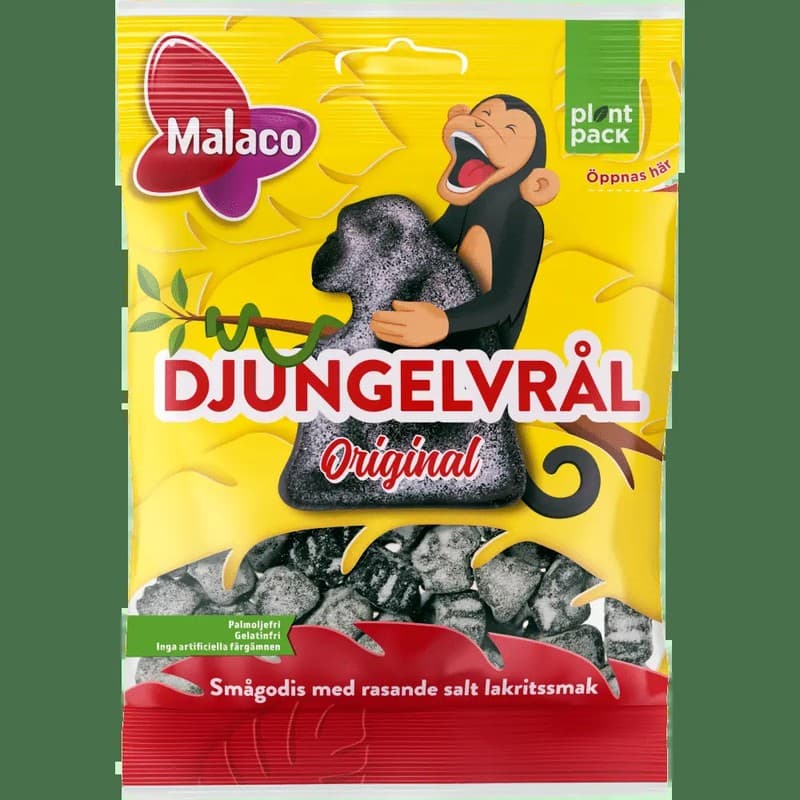
We've covered this extensively in our gluten-free Swedish candy guide. The short version: most gummies and chocolate are gluten-free. Licorice is the risk area — Djungelvrål and Skipper's Pipes contain wheat flour. Kexchoklad is a wafer (gluten). BUBS gummies are all gluten-free.
Soy
Risk level: LOW for gummies, MODERATE for chocolate
Soy lecithin is the most common emulsifier in chocolate production worldwide, including Swedish chocolate. Marabou, Fazer, Daim, and other chocolate products all contain sojalecitin (soy lecithin).
However, the protein content in soy lecithin is extremely low, and most soy-allergic individuals can tolerate it without issues. The EU still requires it to be declared as an allergen, which is the cautious approach.
Swedish gummies are almost universally soy-free.
Gelatin
Risk level: VARIABLE
Gelatin isn't technically an "allergen" in the regulatory sense, but it's a major concern for vegans, vegetarians, and people avoiding pork products (halal/kosher). Swedish candy has a strong vegan alternative scene:
- BUBS — All products gelatin-free (use potato starch) ✅
- Ahlgrens Bilar — Contains pork gelatin ❌
- Malaco — Mixed. Some products use gelatin, others use starch. Check each product.
- Swedish licorice — Generally gelatin-free ✅
- Swedish chocolate — Gelatin-free ✅ (but contains dairy)
For a complete vegan breakdown, see our vegan Swedish candy guide.
Eggs
Risk level: VERY LOW
Egg ingredients are extremely rare in Swedish candy. Some specialty nougat or marzipan products may contain egg white, but mainstream Swedish gummies, licorice, and chocolate are egg-free. This is one allergen you rarely need to worry about with Swedish candy.
Sulfites
Risk level: LOW
Sulphur dioxide and sulfites (E220–E228) are sometimes used in dried fruit candy or as preservatives. They're uncommon in Swedish gummies and chocolate but may appear in candy containing dried fruit pieces or certain flavoring compounds. People with sulfite sensitivity (common in asthmatics) should check labels for "svaveldioxid" or "sulfiter."
Master Allergen Chart: Popular Swedish Candies
| Product | Nuts | Dairy | Gluten | Soy | Gelatin |
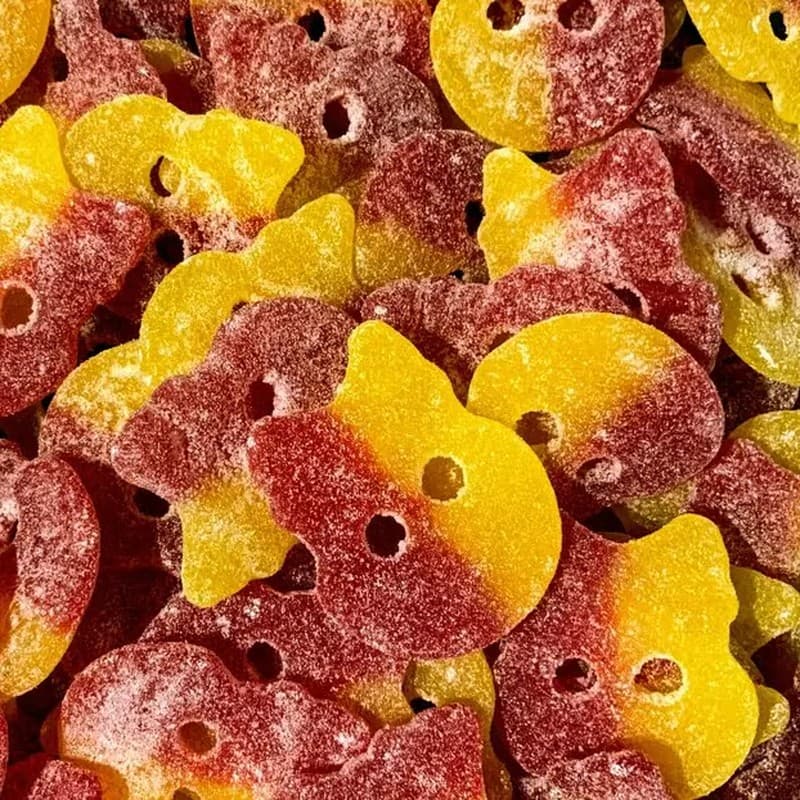
| BUBS Sour Skulls | ✅ Free | ✅ Free | ✅ Free | ✅ Free | ✅ Free |
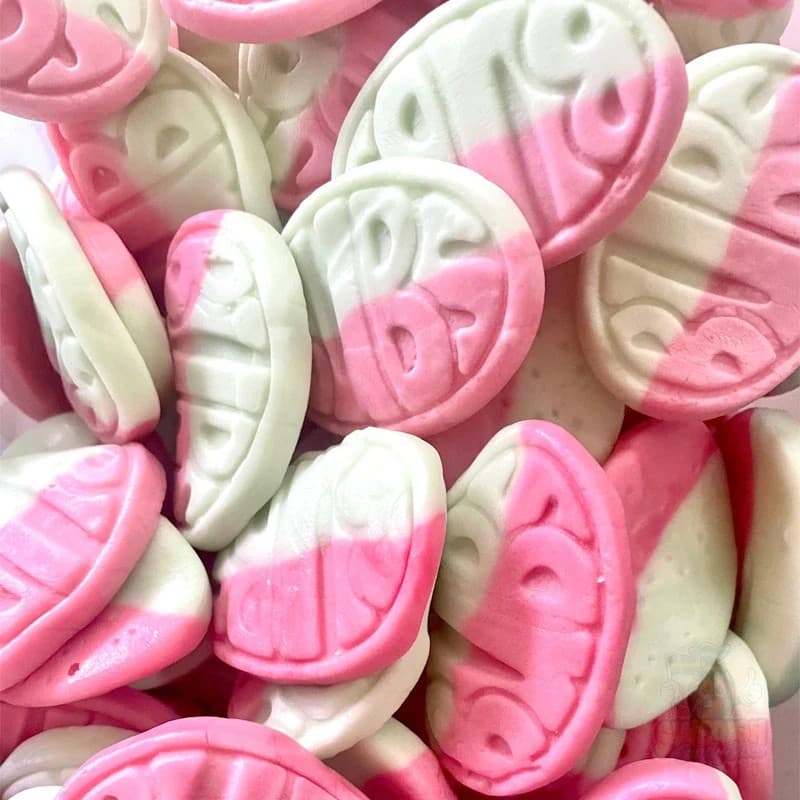
| BUBS Watermelon | ✅ Free | ✅ Free | ✅ Free | ✅ Free | ✅ Free |
| Ahlgrens Bilar | ✅ Free | ✅ Free | ✅ Free | ✅ Free | ❌ Contains |
| Marabou Mjölk | ⚠️ Traces | ❌ Contains | ✅ Free | ❌ Contains | ✅ Free |
| Marabou Schweiz. | ❌ Contains | ❌ Contains | ✅ Free | ❌ Contains | ✅ Free |
| Daim | ⚠️ Traces | ❌ Contains | ✅ Free | ❌ Contains | ✅ Free |
| Kexchoklad | ⚠️ Traces | ❌ Contains | ❌ Contains | ❌ Contains | ✅ Free |
| Djungelvrål | ✅ Free | ✅ Free | ❌ Contains | ✅ Free | ✅ Free |
| Fazer Blue | ⚠️ Traces | ❌ Contains | ✅ Free | ❌ Contains | ✅ Free |
| Malaco Gummies | ✅ Free | ✅ Free | ✅ Free | ✅ Free | ⚠️ Check |
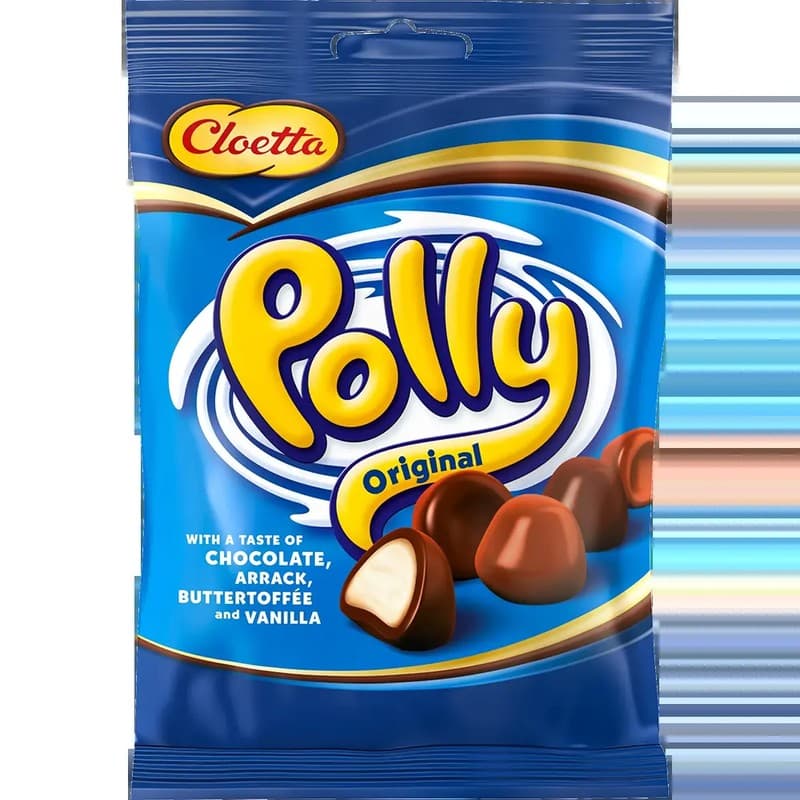
| Polly | ⚠️ Traces | ❌ Contains | ✅ Free | ❌ Contains | ✅ Free |
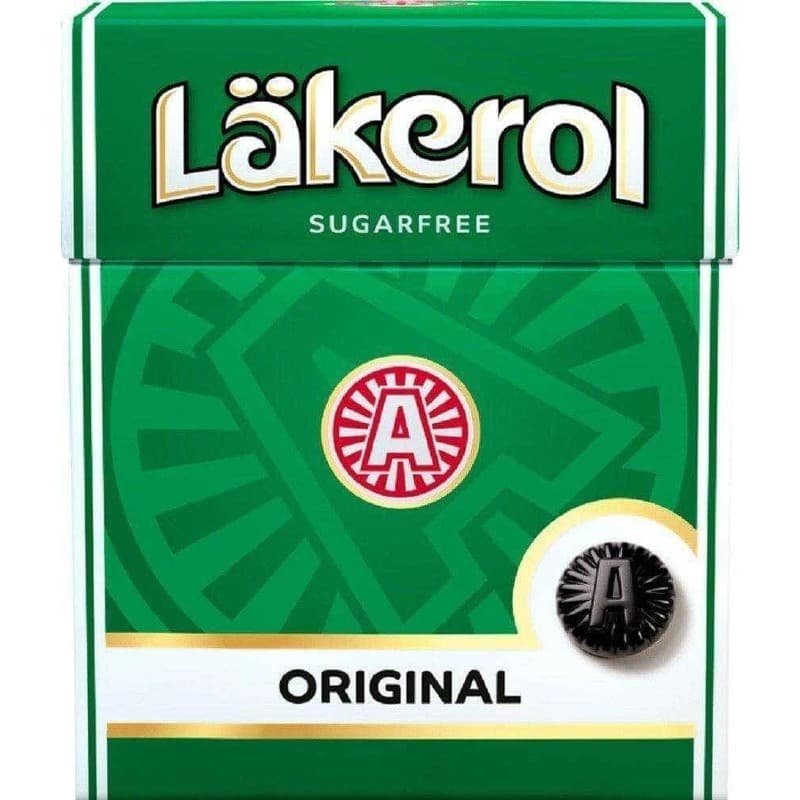
| Läkerol | ✅ Free | ✅ Free | ✅ Free | ✅ Free | ✅ Free |
✅ = Free from this allergen | ❌ = Contains this allergen | ⚠️ = May contain traces (cross-contamination risk)
Reading Swedish Allergen Labels: Key Words
When reading Swedish candy labels, look for these words to identify allergens:
- Mjölk — Milk
- Vassle / Vasslepulver — Whey / Whey powder
- Vete — Wheat
- Korn — Barley
- Råg — Rye
- Nötter — Nuts
- Hasselnötter — Hazelnuts
- Mandel — Almonds
- Jordnötter — Peanuts
- Soja — Soy
- Ägg — Eggs
- Gelatin — Gelatin
- "Kan innehålla spår av..." — "May contain traces of..."
EU regulations require all allergens from the 14 major categories to be highlighted in bold in the ingredient list. This makes Swedish labels faster to scan than US labels, where allergen formatting varies.
Special Diets Quick Reference
- Halal: BUBS gummies are gelatin-free and suitable for halal diets. Avoid products with pork gelatin (like Ahlgrens Bilar). Check individual products from Malaco.
- Kosher: Similar to halal — gelatin is the main concern. BUBS is the safest brand. Some Swedish licorice is kosher-certified.
- Low-FODMAP: Swedish gummies made with glucose syrup and sugar are generally low-FODMAP. Avoid products with sorbitol, maltitol, or other sugar alcohols.
- Nightshade-free: Most Swedish candy is nightshade-free. Watch for paprika extract in some colorings.
Frequently Asked Questions
Q: Are Swedish candy stores trained on allergens?
Good ones are. BonBon NYC staff are trained to guide customers with dietary restrictions. Sockerbit labels dietary info clearly online. When shopping at pick-and-mix counters, always ask about cross-contamination — shared scoops can transfer allergens between bins.
Q: Is Swedish candy safer for children with allergies than American candy?
In terms of labeling transparency, yes. The EU's 14-allergen bold-labeling system is clearer and more comprehensive than US labeling. In terms of actual allergen content, it depends on the specific product. Swedish gummies from BUBS are excellent for allergen-sensitive children — free from the top 8 US allergens and gelatin. Always verify with the current product label.
Q: Can I trust "may contain traces" warnings on Swedish candy?
These warnings are more standardized in the EU than in the US. In the EU, "may contain traces of" is typically based on actual risk assessment of the production line, not just blanket legal protection. That said, if you have a severe allergy (anaphylaxis risk), treat all trace warnings seriously and consult your allergist.
Health & Nutrition Contributor
Registered nurse covering health, ingredients, and food safety for SwedishCrave — facts over fear-mongering.