The Sweden-Denmark rivalry extends to candy too. Both countries are serious about their sweets, but their approaches differ in surprising ways. From licorice intensity to chocolate philosophy, here's how the Nordic candy neighbors compare.
The Sibling Rivalry of Candy
Sweden and Denmark have been rivals for roughly a thousand years. They've fought wars, contested territory, and still argue about who invented smörgåsbord. Naturally, this rivalry extends to candy. Both nations are among the world's top candy consumers per capita, both have rich confectionery traditions, and both will quietly judge you if you confuse their products. Let's settle this — or at least make the argument more interesting.
The Big Brands
Sweden's Roster
Marabou (chocolate king since 1919), Malaco (gummy and licorice giant), BUBS (the viral sour sensation), Cloetta (the 160-year-old parent company), and Fazer (technically Finnish, but deeply integrated into Swedish candy culture). Sweden's brand ecosystem is deep, with clear category leaders.
Denmark's Roster
Toms (makers of Ga-Jol and Galle & Jessen), Haribo Denmark (yes, Haribo has a massive Danish operation), Anthon Berg (luxury chocolate and marzipan), Georg Jensen (artisan chocolate), and the legendary Lakrids by Bülow (premium licorice). Denmark's brands lean slightly more premium and artisanal than Sweden's mass-market giants.
Licorice: The Shared Obsession
Both Sweden and Denmark are in the global top 3 for licorice consumption. This is the category where the nations are most evenly matched — and where the rivalry burns hottest.
Swedish Licorice
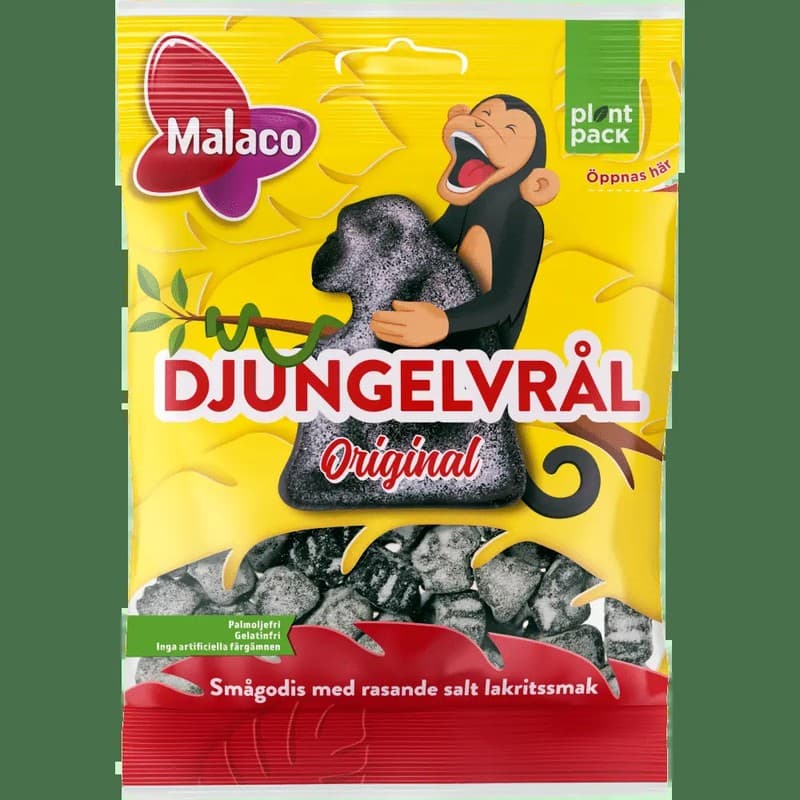
Sweden's licorice tradition leans toward extremes. Djungelvrål (sour salty licorice) is an icon. Malaco's range spans the entire licorice spectrum from mild to "why are you doing this to yourself." Swedish salmiak can be extremely intense — ammonium chloride levels that make non-Scandinavians question Swedish sanity. Swedish licorice is bold, often sour, and unapologetic.
Danish Licorice
Denmark approaches licorice with slightly more refinement. Lakrids by Bülow has elevated licorice to a luxury product — chocolate-coated licorice in beautiful packaging that sells for premium prices globally. Ga-Jol (mentholated licorice pastilles) is a Danish institution. Danish licorice tends to be more nuanced and less "extreme" than Swedish varieties, with more emphasis on flavor complexity than pure salt intensity.
Winner: Tie. Sweden wins on intensity and variety. Denmark wins on premium quality and innovation. If you like your licorice extreme, go Swedish. If you like it elegant, go Danish.
Chocolate
Sweden
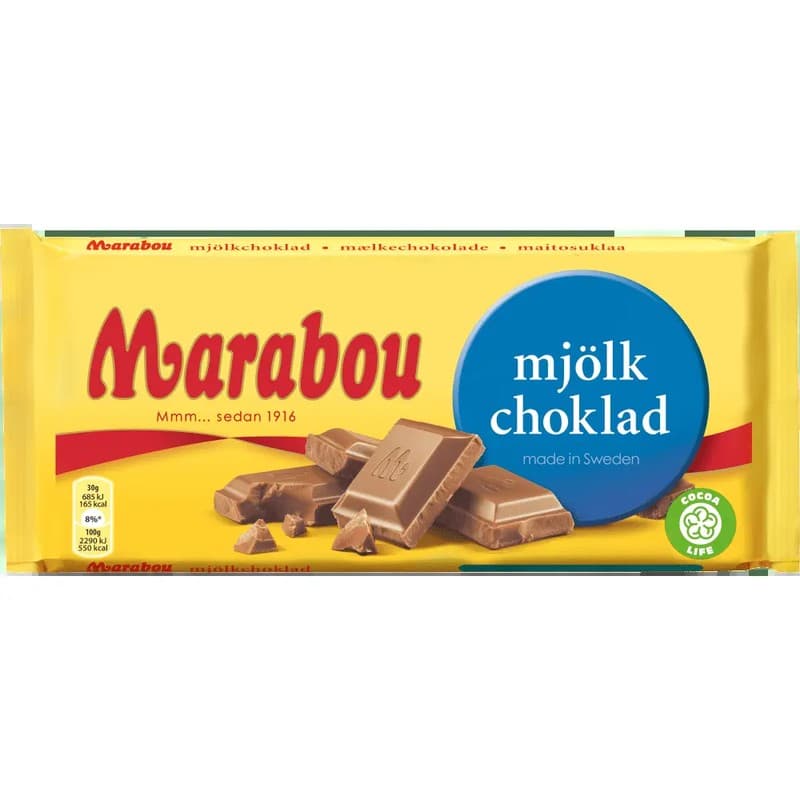
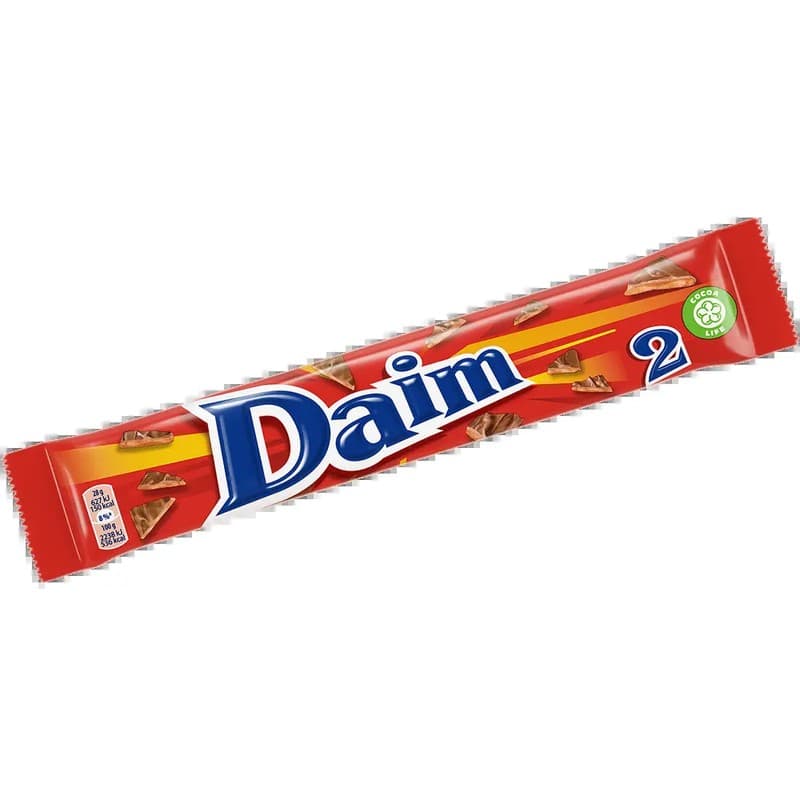
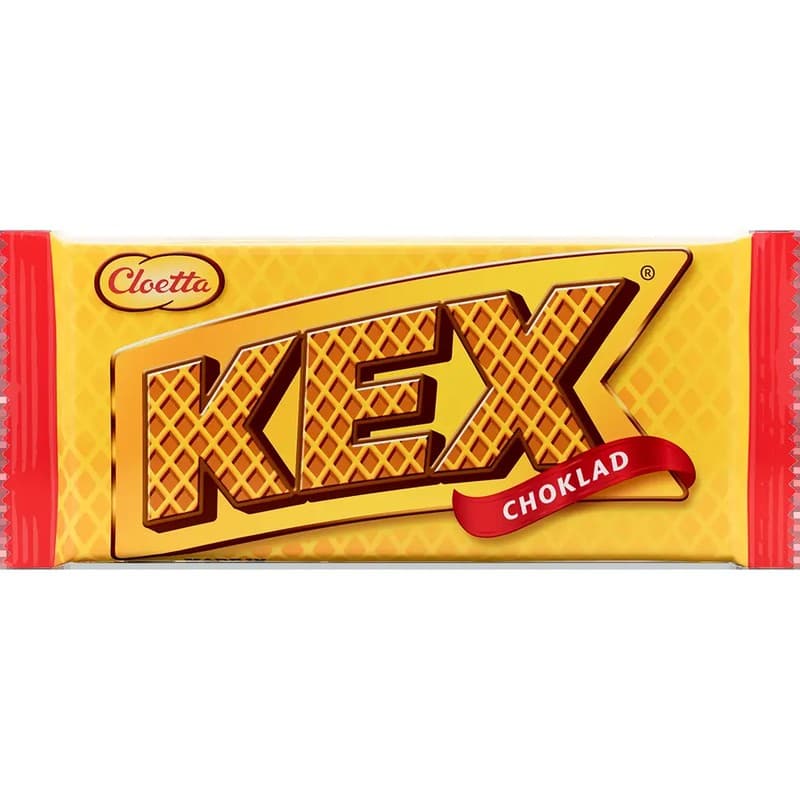
Marabou Mjölkchoklad is the undisputed Swedish champion — creamy, smooth, and a national treasure. But Sweden's chocolate range is relatively focused: Marabou dominates, with Daim and Kexchoklad filling specific niches. High quality, limited variety.
Denmark
Denmark has a broader chocolate culture. Anthon Berg makes premium chocolate liquor bottles and marzipan-filled bars. Georg Jensen and Summerbird are genuine artisan chocolatiers. Toms makes mainstream chocolate that's comparable to Marabou. And Denmark's marzipan tradition adds a dimension that Sweden doesn't match — Danish marzipan candy is a category unto itself.
Winner: Denmark for range and artisanal quality. Sweden for the single best everyday milk chocolate bar (Marabou).
Gummies & Sour Candy
Sweden wins this category convincingly. BUBS and Malaco's gummy ranges are more innovative, more varied, and have better international recognition than any Danish equivalent. Denmark has Haribo's Danish factory output and some domestic brands, but nothing that matches BUBS's quality or Malaco's variety. The TikTok Swedish candy trend was built on Swedish gummies — not Danish ones.
Winner: Sweden, clearly.
🛒 Settle the rivalry yourself — shop BUBS at Mums →
Wine Gums & Hard Candy
Denmark has a stronger tradition in wine gums and hard candy. Toms' Gajol pastilles and Ga-Jol range are national staples with no Swedish equivalent. Danish wine gums tend to be fruitier and more refined than the British versions. Sweden has hard candy traditions (polkagrisar from Gränna, for example), but the category is smaller and less commercially significant.
Winner: Denmark.
Cultural Approach
Sweden: Lördagsgodis
Saturday candy. A structured, weekly ritual. Fill your bag at the supermarket, eat it on Saturday. Democratic, affordable, built into the national schedule. This is candy as public health policy (born from the Vipeholm experiments) that became beloved tradition.
Denmark: Fredagsslik
Friday sweets. Denmark's version is slightly less codified than Sweden's — it's Friday evening candy rather than an all-day Saturday affair. The selection tends to include more chocolate alongside gummies, and the tradition is more of a family coziness ritual (hygge) than a structured public health outcome.
The difference: Swedish lördagsgodis is slightly more "serious" and structured. Danish fredagsslik is slightly more relaxed and hygge-oriented. Both are excellent traditions that the rest of the world should adopt immediately.
The Final Scorecard
Licorice: Tie
Chocolate: Denmark (range) / Sweden (best single bar)
Gummies & sour: Sweden
Wine gums & hard candy: Denmark
International recognition: Sweden (thanks to TikTok)
Premium/artisanal: Denmark
Mass-market quality: Sweden
Overall: It's genuinely close — Sweden edges ahead on international presence and gummy innovation, while Denmark has a broader and more premium confectionery culture. The real answer is that both countries make candy that's dramatically better than what Americans are used to, and arguing about which is "better" is like arguing about which sunset is more beautiful. Just enjoy both.
🛒 Team Sweden starts here — shop Swedish Sweets →
Frequently Asked Questions
Can I buy Danish candy in the US?
Lakrids by Bülow has US distribution and is available online. Anthon Berg is occasionally found at World Market and specialty stores. For the full range, you'll need Scandinavian specialty importers or Amazon sellers. It's slightly harder to find than Swedish candy, which has benefited from the TikTok distribution boost.
Do Swedes and Danes actually argue about candy?
Mostly in good humor, but yes. The licorice debate gets surprisingly passionate. Both nations claim their approach to salmiak is superior. This is the Scandinavian equivalent of the New York vs Chicago pizza debate — deeply felt, ultimately unresolvable, enjoyable to observe from a safe distance.
Which Nordic country eats the most candy?
Sweden and Denmark trade the top spot depending on the year. Both consume 15-17 kg per capita annually, placing them in the global top 5. Finland and Norway are close behind. Scandinavia is, per capita, the candy-eating champion of the world.
Founder & Editor
Former Swedish candy & FMCG professional turned US-based founder of SwedishCrave. Built the site to fill the gap he saw when he moved stateside.