Britain and Sweden both have serious candy cultures — but they diverge in fascinating ways. From chocolate philosophy to pick & mix traditions, here's how two of Europe's biggest candy nations compare.
Two European Candy Powerhouses
Britain and Sweden don't get compared often enough. Both countries have candy cultures that are deeply embedded in national identity, both have iconic brands that dominate supermarket aisles, and both would be personally insulted if you called their candy "just candy." But spend a week eating your way through each country's offerings and you'll discover fundamentally different philosophies about what makes a great sweet.
Chocolate: Cadbury vs Marabou
The Swedish Way
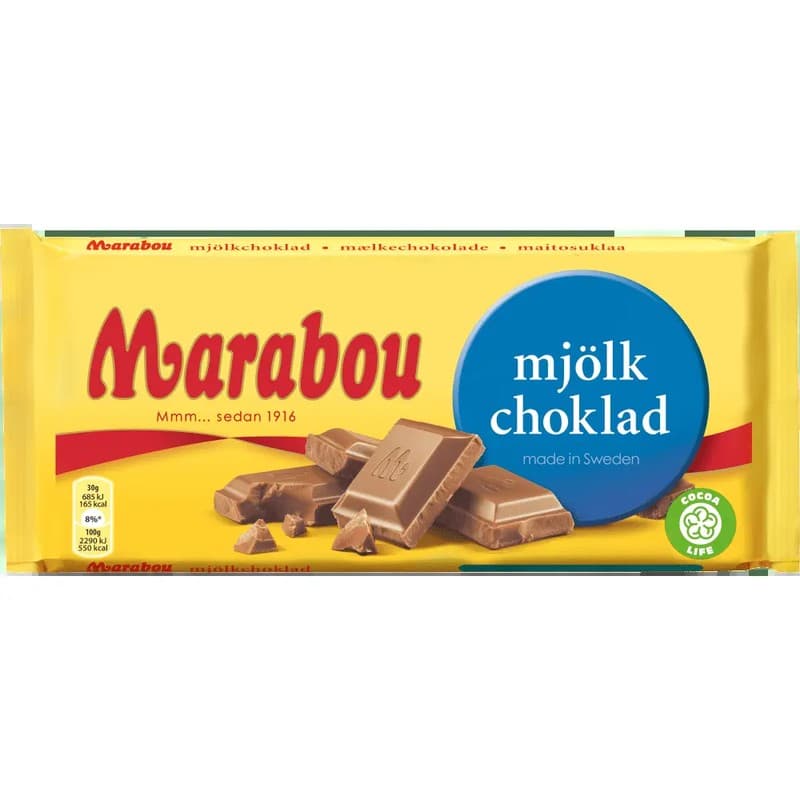
Marabou has been Sweden's chocolate king since 1919. Their approach is straightforward: real cocoa butter, higher milk content, slow conching for maximum creaminess. Marabou Mjölkchoklad tastes like milk chocolate should taste — rich, creamy, slightly caramelized, no weird aftertaste. The product range is focused: milk chocolate variations (plain, hazelnut, fruit & almond, mint) rather than dozens of novelty flavors.
The British Way
Cadbury Dairy Milk has been Britain's chocolate since 1905. It's sweeter than Marabou, with a distinctive "milky" flavor that comes from a specific milk processing technique. Cadbury has more variety (Flake, Twirl, Wispa, Crunchie, Boost — the list goes on) and a broader product ecosystem. But Cadbury has also been through ownership changes (Kraft/Mondelez) that many Brits feel have changed the recipe for the worse.
Head to head: Marabou is creamier and richer. Cadbury is sweeter and more varied. Swedes will tell you Marabou is objectively better. Brits will tell you Cadbury is objectively better. Both are wrong — they're just different approaches to milk chocolate. For the full chocolate deep dive, see our Marabou vs Cadbury comparison.
Gummies & Sour Candy
Sweden: World-Class
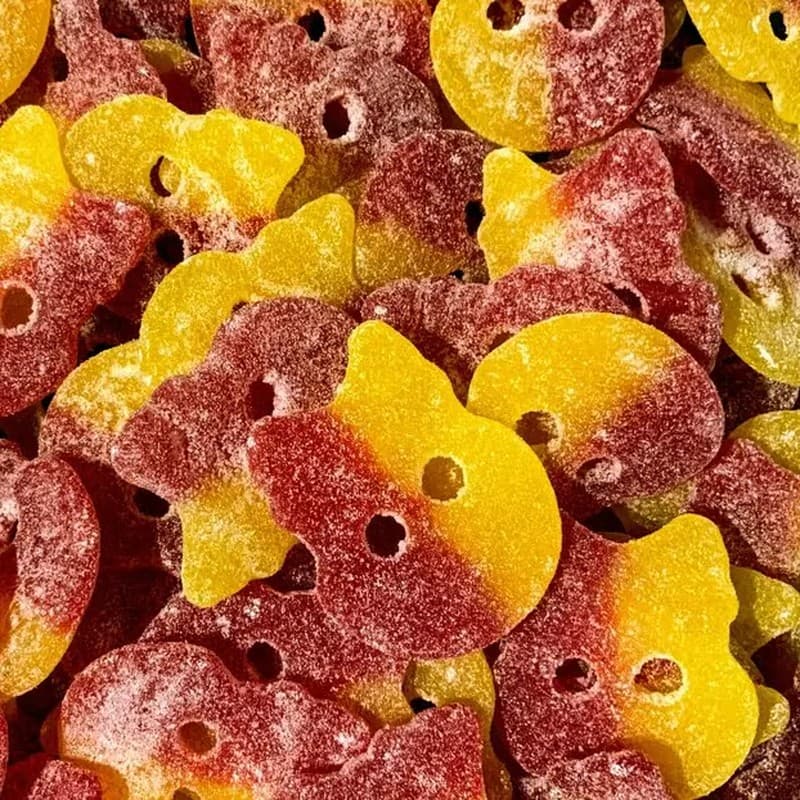
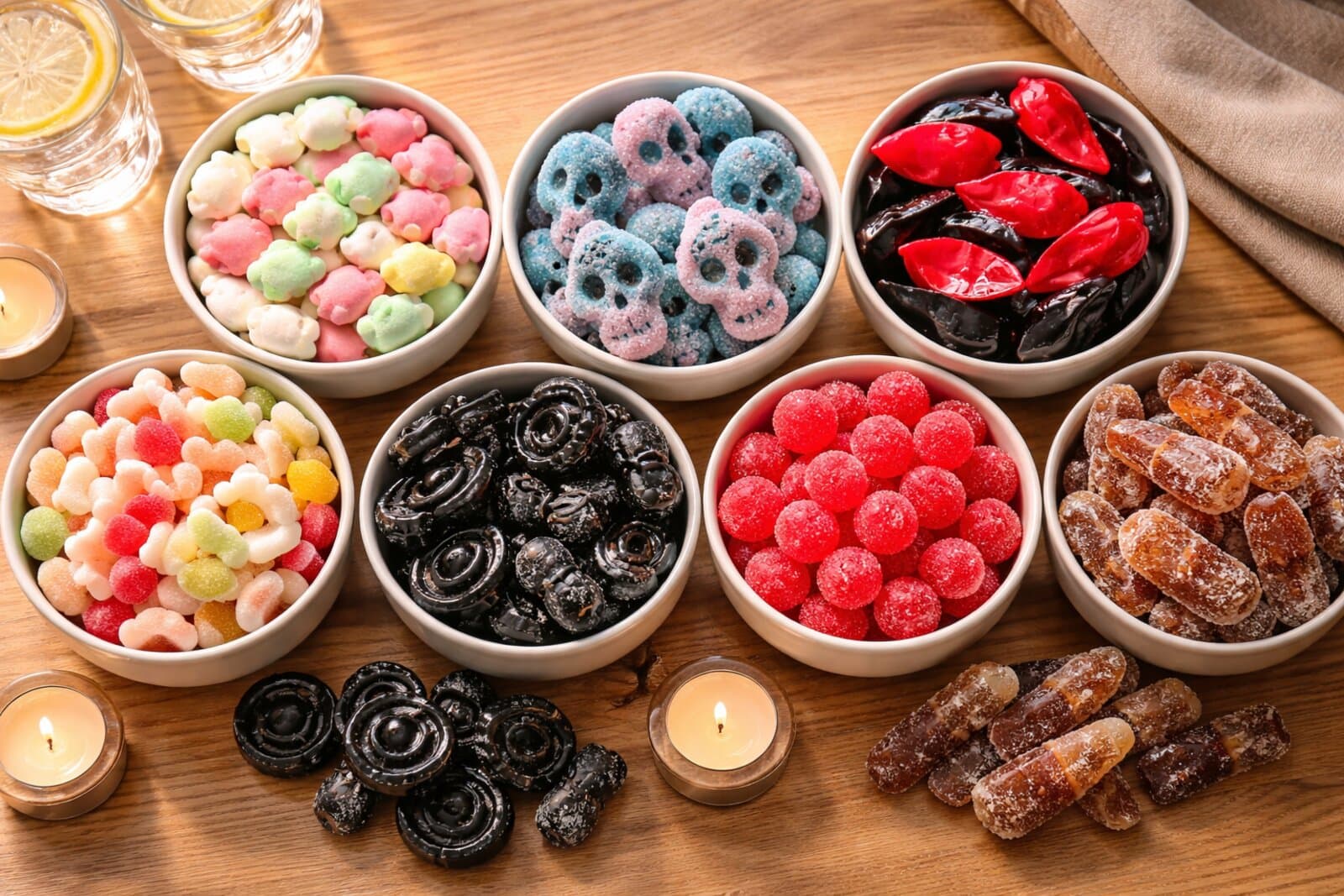
This is where Sweden pulls ahead significantly. Swedish gummy candy — led by BUBS and Malaco — is among the best in the world. The textures are softer and more satisfying than most competitors, the sour coatings are more intense, and the flavor profiles are more complex. BUBS Sour Skulls alone have done more for Swedish cultural exports than ABBA's reunion tour.
Britain: Respectable but Different
Britain's gummy game is led by Maynards Bassetts — formed in 2016 when Mondelēz merged two heritage brands (Bassett's dates to 1842 in Sheffield). Their Wine Gums are a genuine British icon: firm, chewy, wine-grape shaped, with a distinctive fruity flavor that has zero relation to actual wine. Jelly Babies have been around since 1918 and have a softer, more powdery texture than Scandinavian gummies. Percy Pigs (Marks & Spencer) have become a modern cult favorite with their "semi-realistic" pig shape and genuine fruit juice content.
Haribo dominates the UK mass market (they're German but have a massive British presence), and Swizzels makes the nostalgic fizzy sweets (Love Hearts, Drumsticks, Refreshers) that define British childhood candy memories. These are fine products, but the gummy category in Britain is about nostalgia and comfort rather than the innovation and intensity Swedish brands bring.
Winner: Sweden on gummy quality and innovation. Britain has heritage products with devoted followings, but nothing matching BUBS's flavor depth or Malaco's range.
🛒 Taste why Sweden wins — shop BUBS mixes at Mums →
Licorice: The Great Divide
Here's where these two candy cultures diverge completely.
Sweden: National Obsession
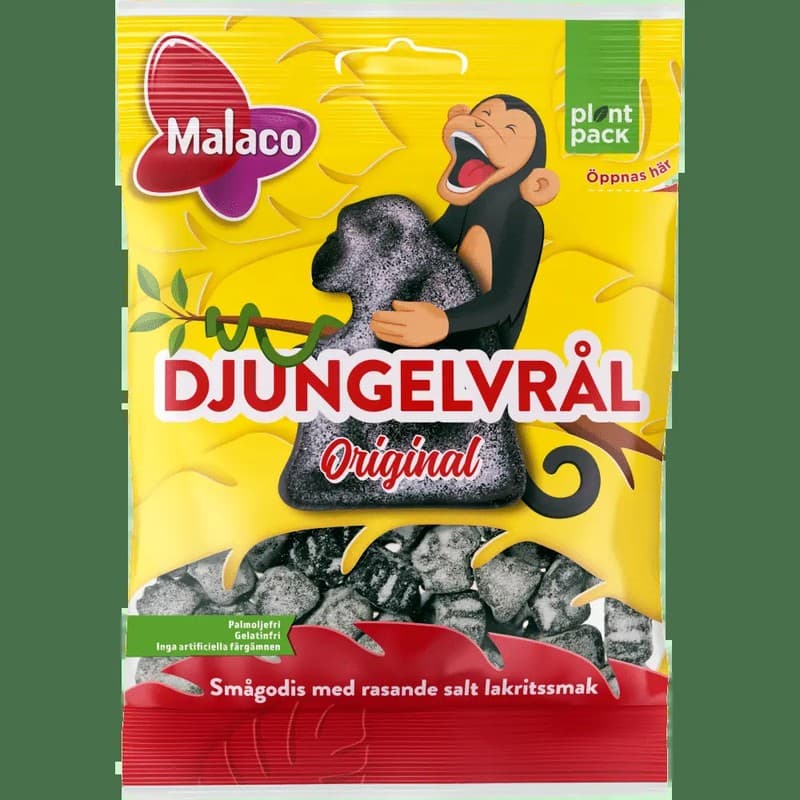
Licorice is fundamental to Swedish candy culture. Not just the soft, sweet kind — but salmiak, the salty ammonium chloride-flavored licorice that makes most non-Scandinavians question everything they know about food. Swedish stores dedicate entire sections to licorice varieties: soft, hard, salty, extra salty, sour, coated, filled, and combinations thereof. Djungelvrål is one of Sweden's most popular candies, and it's essentially sour salty licorice. This is a nation that takes its licorice personally.
Britain: Take It or Leave It
Britain has Liquorice Allsorts (Bassetts), Pontefract Cakes, and a general awareness that licorice exists. But it's never been a dominant flavor in British candy culture. Allsorts are popular with a specific demographic (your grandmother), but they don't define the national candy conversation. British licorice is gentler, sweeter, and doesn't involve ammonium chloride — which, depending on your perspective, is either a weakness or an entirely reasonable life choice.
Winner: Sweden if you like licorice. Britain if you like not having your taste buds assaulted.
Pick & Mix Culture
Swedish Lösgodis
Lösgodis is a weekly ritual in Sweden. Every supermarket has a dedicated candy wall with 100-200 varieties in open bins. You grab a bag, fill it with whatever you want, weigh it, and pay by the kilo. This happens primarily on Saturdays (lördagsgodis). The selection is curated and rotated, and the quality is consistently excellent. Lösgodis is arguably Sweden's greatest contribution to candy culture.
British Pick 'n' Mix
British pick 'n' mix is associated with cinemas, Woolworths (RIP), and seaside towns. It's more nostalgic than ritualistic. The selection typically includes Haribo, cola bottles, fizzy sweets, and chocolate items — a broader but less specialized range than Swedish lösgodis. Pick 'n' mix has declined in Britain as Woolworths closed and cinema chains simplified their offerings, though it's had a modest revival in recent years.
For the full comparison, check our pick & mix culture deep dive.
Toffee & Hard Candy
Britain: The Clear Winner
This is Britain's undisputed territory. Quality Street (Nestlé, since 1936) and Cadbury Roses are Christmas institutions — the decorative tins appear in every British household in December, and heated debates about which flavors to eat first are a national pastime. Thorntons makes premium boxed chocolates and toffee that fill a "gift chocolate" niche more elegantly than anything in Sweden. Fudge from Devon and Cornwall, Edinburgh Rock, Kendal Mint Cake, traditional boiled sweets from small-batch producers — Britain has an artisan hard candy scene with regional specialities that rivals France's cheese map. Even the classic Werther's Original (German, but essentially adopted by British grandparents as their own) has a deeper cultural presence in the UK than Sweden.
Sweden: Solid but Limited
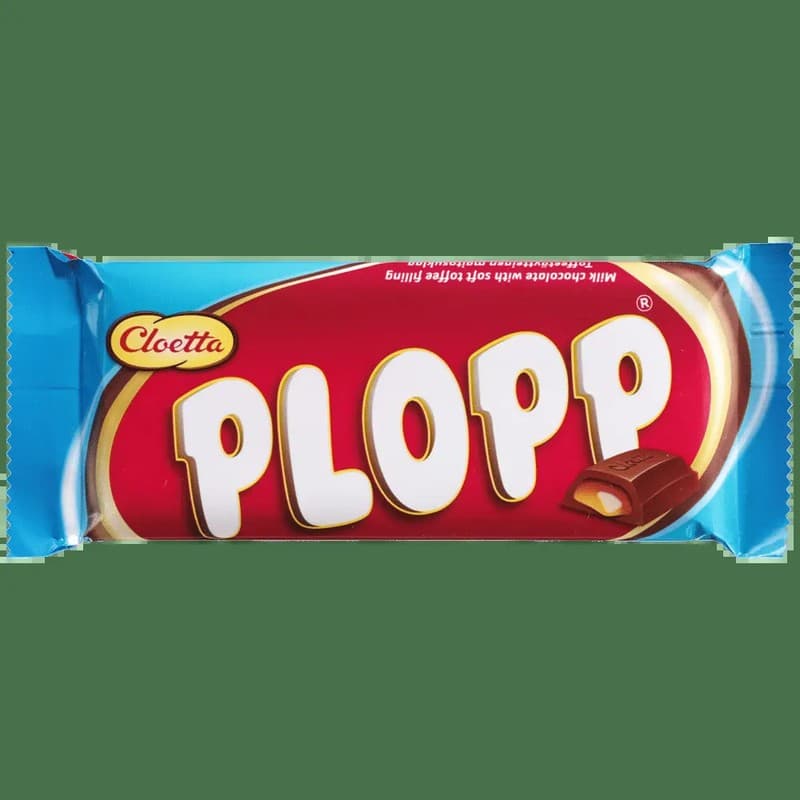
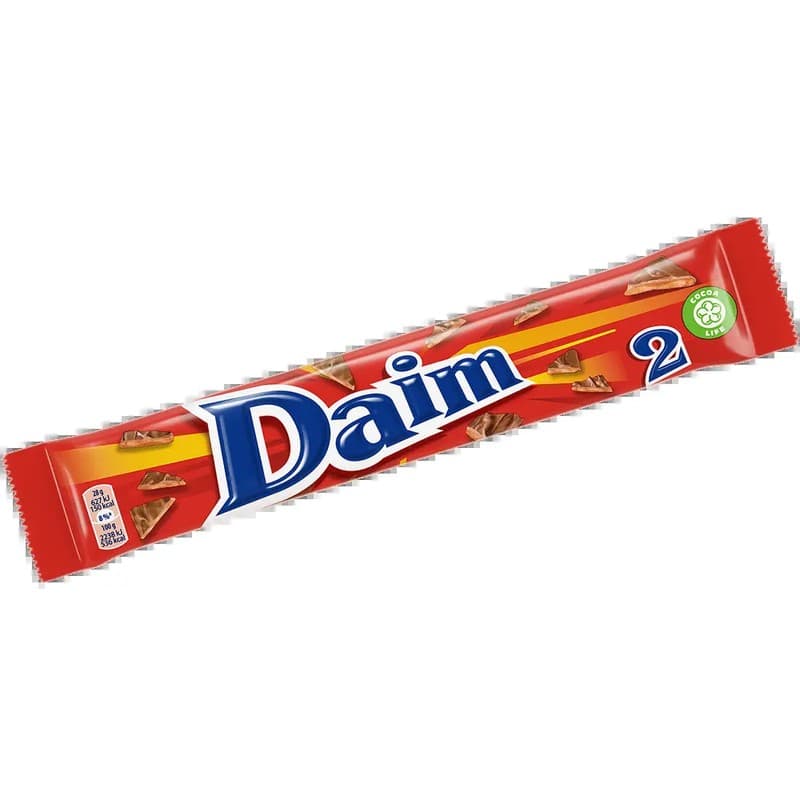
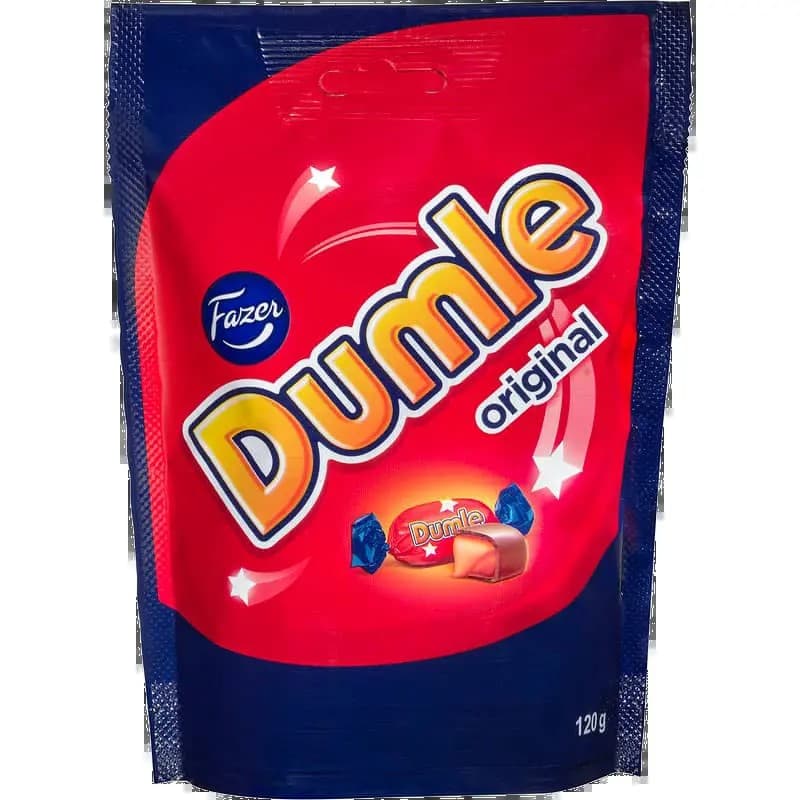
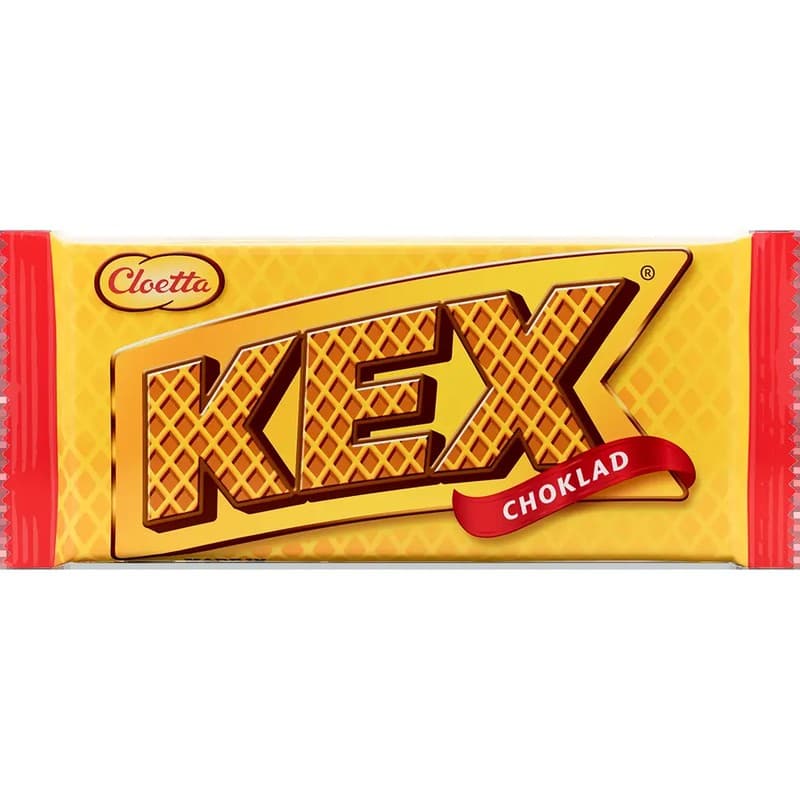
Sweden has Plopp (chocolate toffee), Daim (crunchy caramel), Dumle (chewy toffee), and Kexchoklad (wafer). All excellent, but it's a smaller category. Swedish candy culture puts more emphasis on gummies and licorice than on toffees and hard candies.
Winner: Britain. When it comes to toffee, caramel, and boiled sweets, Britain has centuries of expertise.
Ingredients & Regulations
Both countries operate under EU food safety regulations (Britain retained most of these post-Brexit), so the ingredient standards are broadly similar. Neither uses the artificial colors or high-fructose corn syrup common in American candy. Swedish candy tends to have slightly shorter ingredient lists, and BUBS's fully vegan range has no British equivalent at the same scale, but the overall quality standard is comparable.
The Verdict
Sweden wins on: Gummies, sour candy, licorice, pick & mix culture, ingredient simplicity, and the vegan category.
Britain wins on: Chocolate variety, toffee & hard candy, seasonal selections, and the sheer breadth of the candy market.
Tied on: Overall chocolate quality (different but equal), candy cultural significance, and dedication to the craft.
Both are leagues ahead of the American candy market on ingredients and variety. If you're used to American candy and want to explore European alternatives, either direction will improve your life — but they'll improve it in very different ways.
🛒 Start with the Swedish side — pick & mix bags at Swedish Sweets →
Frequently Asked Questions
Are British sweets available in Sweden, and vice versa?
Some crossover exists. Cadbury is available in Swedish stores (not dominant, but present). Marabou is harder to find in the UK but available in Scandinavian specialty shops and online. IKEA stores in the UK carry some Swedish candy.
Which country eats more candy per capita?
Sweden consistently ranks in the global top 5 for candy consumption per capita (roughly 15-17 kg per year). The UK is also high but slightly lower (around 12-14 kg). Both are well above the global average — these are nations that take their sweets seriously.
Is Cadbury available in Sweden?
Yes, but it's a niche import product. Swedes are loyal to Marabou and Cloetta for their chocolate. Cadbury exists in Sweden the way Marabou exists in the UK — it's there if you look for it, but it's not the default.

Founder & Editor
Former Swedish candy & FMCG professional turned US-based founder of SwedishCrave. Built the site to fill the gap he saw when he moved stateside.