Both Swedish and Japanese candy have massive followings online, but they're completely different experiences. Swedish candy is bold, sour, and unapologetic. Japanese candy is intricate, sweet, and often comes with an experience. Here's how they stack up.
Two Candy Cultures, One Internet Obsession
Swedish candy and Japanese candy are the two international candy scenes that have genuinely captured the internet's imagination. Both have dedicated subscription boxes, TikTok followings in the millions, and passionate communities of people who import candy across oceans. But spend five minutes with each and you'll realize they could not be more different.
Swedish candy is a Viking at a feast: big flavors, no pretense, grab a handful and eat. Japanese candy is a master craftsman at work: precise, beautiful, often requiring assembly instructions. Neither approach is "better" — they're just different philosophies of what candy should be.
Flavor Philosophy
Swedish Candy: Go Big or Go Home
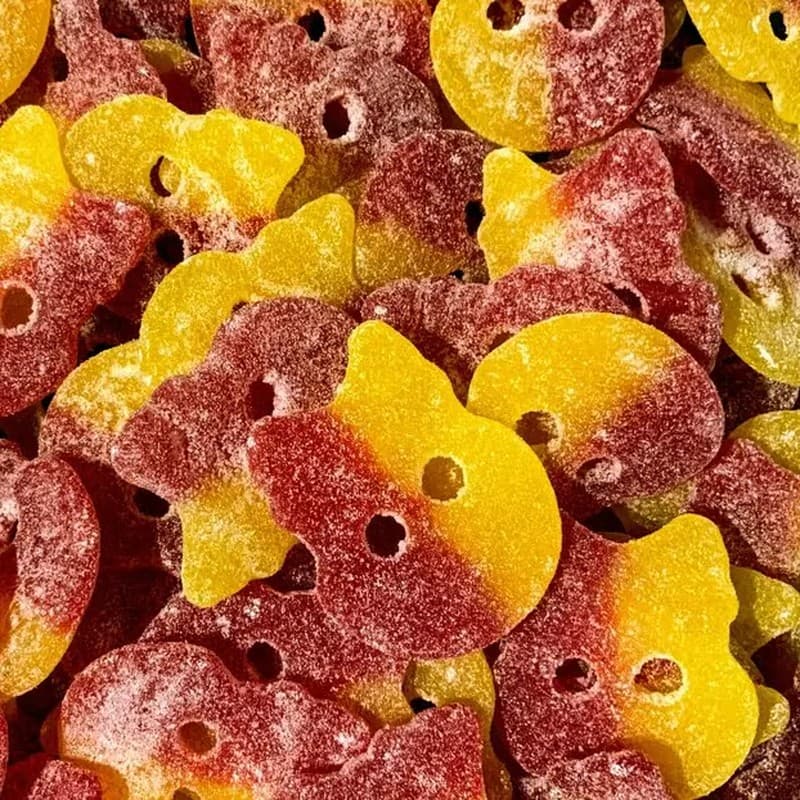
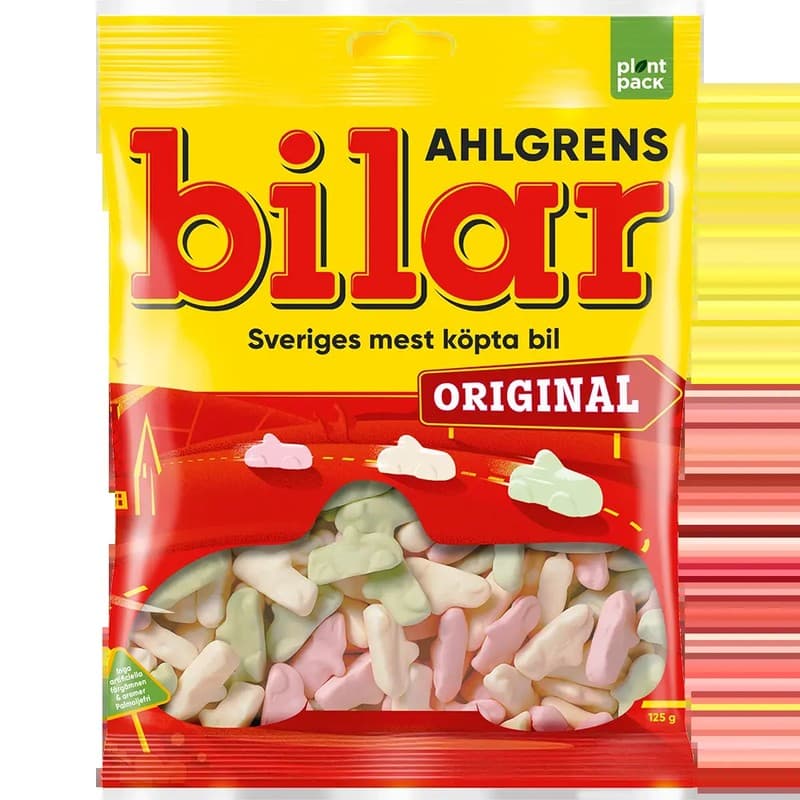
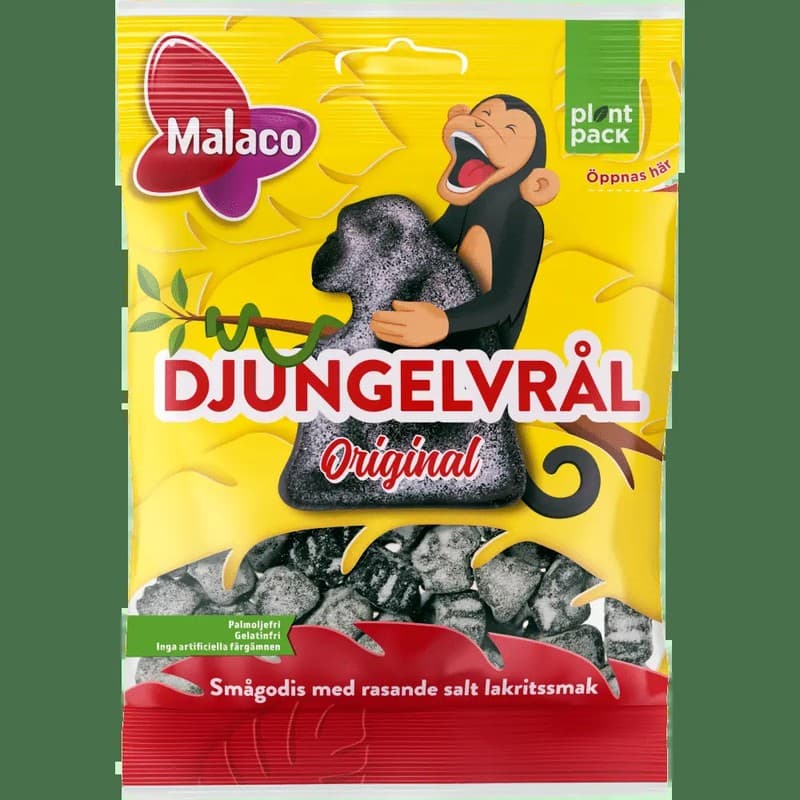
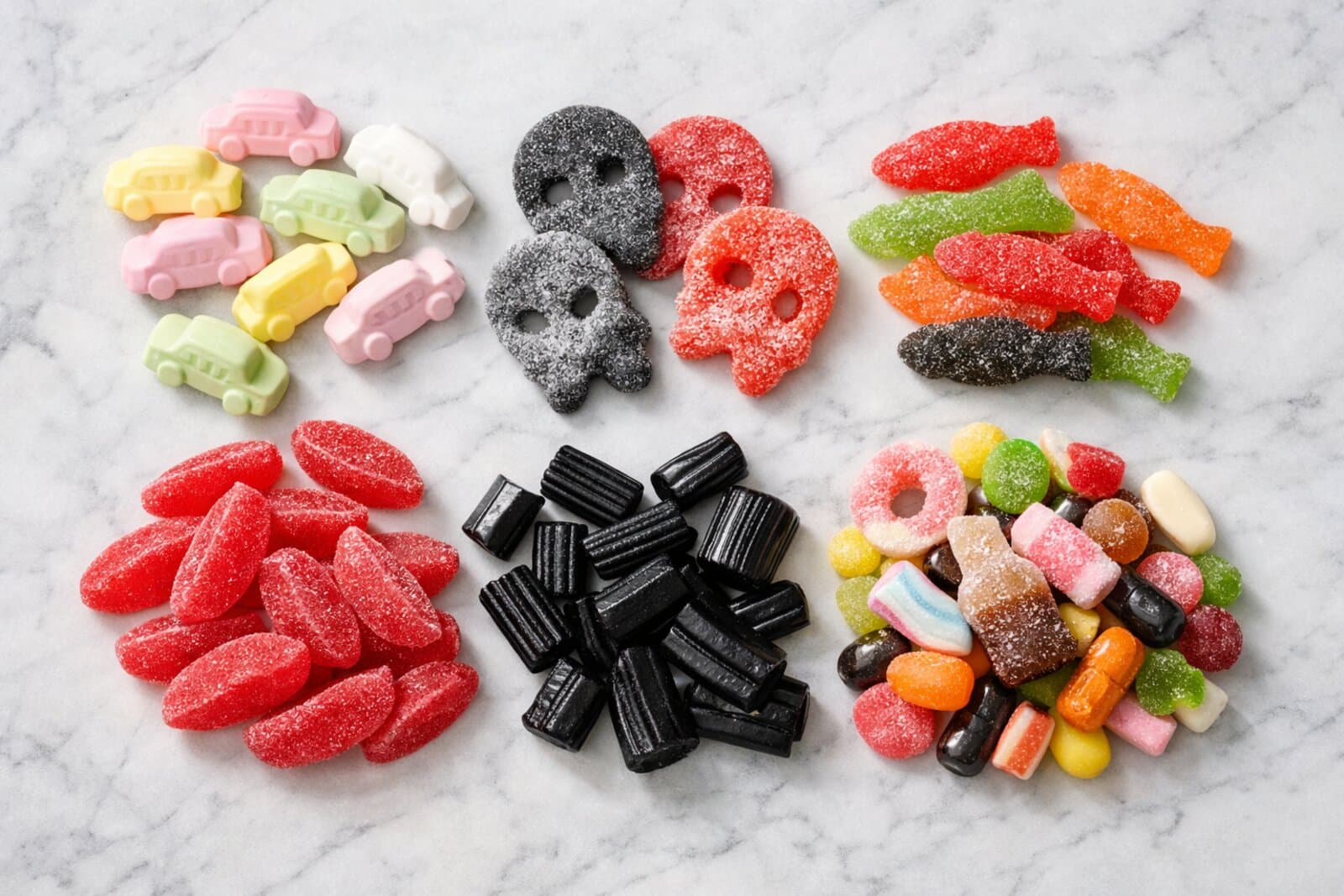
Swedish candy doesn't do subtle (except Ahlgrens Bilar, but they're the exception that proves the rule). Sour means face-contorting sour. Salty licorice means "why is my mouth burning" salty. BUBS Sour Skulls hit you with a wall of citric acid before revealing the sweet berry gummy underneath. Djungelvrål literally translates to "Jungle Roar" and tastes like it. Swedish candy believes your taste buds should have an experience, and that experience should be intense.
Japanese Candy: Layers and Surprises
Japanese candy is engineered with a precision that borders on obsessive. Morinaga's Hi-Chew — Japan's biggest gummy export, now manufactured in the US due to demand — uses a multi-layered construction: a chewy outer layer releases flavor progressively while the inner core provides a different texture. Meiji, one of Japan's oldest confectionery companies (founded 1916, same year as Marabou), uses precise chocolate tempering for a specific snap and melt profile. Nestlé Japan's Kit-Kat operation has produced over 400 limited-edition flavors — sake, sweet potato, matcha, wasabi, strawberry cheesecake, even Tokyo Banana. New flavors rotate seasonally, creating a collector culture that has no Swedish equivalent.
Then there's Kracie's Popin' Cookin' line — DIY candy kits where you mix powders with water to build miniature sushi, ramen bowls, donuts, and hamburgers from candy. The process takes 20-30 minutes and the result is edible art. This is candy as craft project, and it's a massive category in Japan with no parallel anywhere in Scandinavia.
Japanese flavors lean delicate and seasonal: green tea (matcha), yuzu (Japanese citrus), sakura (cherry blossom), ume (plum), and kuromitsu (brown sugar syrup). Where Swedish candy shouts, Japanese candy whispers — but the whisper is incredibly nuanced.
Swedish candy is a rock concert. Japanese candy is an omakase dinner.
Texture
Swedish Approach
Swedish candy has three main texture families: chewy gummies (BUBS, Malaco), marshmallow foam (Bilar, Polly), and chocolate (Marabou, Daim). Each is executed exceptionally well, but the range is relatively focused. What Swedish candy lacks in texture variety, it makes up for in perfection of each type. BUBS gummies have a specific softness that's become the global benchmark. Bilar's foam texture is literally unique to that one product.
Japanese Approach
Japan has texture categories that don't exist anywhere else. "Mochi candy" (chewy rice flour-based sweets like Daifuku) occupies an entire section of Japanese convenience stores. "Konpeito" are crystallized sugar stars — tiny, crunchy, and visually stunning — that date back to the 16th century Portuguese influence. "Warabimochi" offers a bouncy, gelatinous jiggle that's somewhere between jelly and custard. "Ame" (hard candy) comes in hand-pulled artisan varieties that are as much visual art as candy.
Hi-Chew alone has more texture R&D than most entire candy companies. Morinaga spent decades perfecting a "fruit juice experience" in gummy form — the outer layer provides chew resistance while the inner releases a burst of fruit flavor that mimics biting into actual fruit. And then there are the "gummy supplement" candies — functional gummies with added vitamins and collagen that Japan produces in enormous quantities. The line between candy and wellness product barely exists.
Winner: Japan for variety and innovation, Sweden for mastery of its chosen textures. Japan has 10 texture categories; Sweden has 3, but each one is best-in-class.
Ingredients & Healthiness
Swedish Candy
Swedish candy benefits from EU regulations that restrict artificial colors, require warning labels on certain additives, and generally push manufacturers toward cleaner ingredients. Brands like BUBS are 100% vegan with natural colorings. Even mainstream brands use fruit and vegetable concentrates instead of synthetic dyes. No high-fructose corn syrup — just real sugar. It's still candy, but it's candy with a noticeably shorter ingredient list.
Japanese Candy
Japan has rigorous food safety standards, but takes a different approach than the EU. Artificial colors are permitted (and used frequently — Japanese candy is extremely colorful). Many products contain gelatin. High-fructose corn syrup appears in some products but is less common than in American candy. Ingredient lists tend to be longer due to the complexity of the products, but the quality of each ingredient is generally high.
Winner: Sweden on ingredient simplicity and additive avoidance. Japan isn't bad — it just doesn't have the EU's strict approach to artificial additives.
🛒 Clean-ingredient Swedish candy — shop BUBS mixes at Mums →
The Unboxing Experience
Swedish Candy
Swedish candy packaging is functional and clean. BUBS has colorful bags, Marabou has its iconic purple wrappers, and most products come in straightforward retail packaging. It looks good, but nobody's buying Swedish candy for the packaging. The magic is what's inside. Swedish candy subscription boxes (like those from BonBon NYC or Sockerbit) add presentation value, but the candy itself is meant to be ripped open and eaten.
Japanese Candy
Japanese packaging is an art form. Individual pieces are wrapped. Boxes have compartments. Colors are coordinated. Some candies come with tiny spoons, mixing trays, or assembly instructions. The Kracie "Popin' Cookin'" kits let you build tiny sushi, ramen, or donuts from candy powder and water — the process is the product. Japanese candy subscription boxes (like TokyoTreat or Japan Crate) are designed to be unboxed on camera, with each item creating its own moment.
Winner: Japan, decisively. If unboxing is your thing, Japanese candy is a content creator's dream.
Cultural Context
Swedish Candy Culture
Sweden has lördagsgodis (Saturday candy) — a national tradition of eating candy only on Saturdays. Swedish candy culture is about the lösgodis (pick-and-mix) experience: walking into a store, filling a bag from 150+ varieties, weighing it, and enjoying it as a weekly ritual. It's communal, deliberate, and deeply embedded in daily life. Candy is part of Swedish identity in a way that's hard to overstate.
Japanese Candy Culture
Japan has "omiyage" — the deeply ingrained tradition of bringing back regional specialty sweets as gifts when traveling. This isn't optional politeness; it's a social obligation. Every single prefecture, city, train station, and tourist spot has its own exclusive candy, creating a candy culture that's tied to geography in a way Sweden can't match. Tokyo Station alone has dozens of exclusive confections you can't buy anywhere else in the world.
Japanese convenience stores (konbini — 7-Eleven, Lawson, FamilyMart) function as candy showrooms. They rotate selections constantly, with limited-edition seasonal flavors creating FOMO-driven purchasing. Spring means sakura everything. Autumn means sweet potato and chestnut. The Japan chocolate market alone is worth $5.7 billion (2025), and confectionery is Japan's second-largest food category. There are entire floors of department stores dedicated to artisan confections — a concept that would be unthinkable in Swedish retail.
Both cultures take candy seriously, but in different ways. Sweden is about ritual, consistency, and weekly satisfaction (16 kg per person per year). Japan is about novelty, seasonal discovery, and a confectionery market ($5.7 billion in chocolate alone) that dwarfs Scandinavia's entire candy industry.
Which Should You Try First?
Try Swedish candy if you: Value clean ingredients, love sour or intense flavors, prefer simple execution done perfectly, want candy you can share at a party, or care about vegan options.
Try Japanese candy if you: Love variety and novelty, enjoy the unboxing experience, want to try unusual flavors (matcha, yuzu, sakura), like DIY food kits, or treat candy as entertainment.
Try both if you: Are a human being who enjoys delicious things. Honestly, if you're reading this article, you should try both. They satisfy completely different cravings and together give you a much fuller picture of what candy can be beyond the American grocery store aisle.
🛒 Start the Swedish half — pick & mix bags at Swedish Sweets →
Frequently Asked Questions
Which is more expensive to import?
Roughly similar. Both cost $25-45 for a decent subscription box or variety pack shipped to the US. Japanese candy subscription boxes tend to be slightly more expensive ($35-50) because they include more individual items. Swedish candy boxes are often heavier (more candy per box) but with fewer distinct products.
Which has better subscription boxes?
Japanese candy subscription boxes (TokyoTreat, Japan Crate, Bokksu) are more established and have a wider selection. Swedish candy subscription boxes are newer but growing fast. If you want variety and surprise, Japanese boxes win. If you want to deeply explore a specific candy culture, Swedish boxes are more focused.
Can I find either in regular US stores?
Japanese candy is available at most Asian grocery stores, some Targets, and World Market. Swedish candy is at IKEA, some Targets (via Sockerbit), and select specialty stores. Both are most easily accessed through online ordering.

Founder & Editor
Former Swedish candy & FMCG professional turned US-based founder of SwedishCrave. Built the site to fill the gap he saw when he moved stateside.