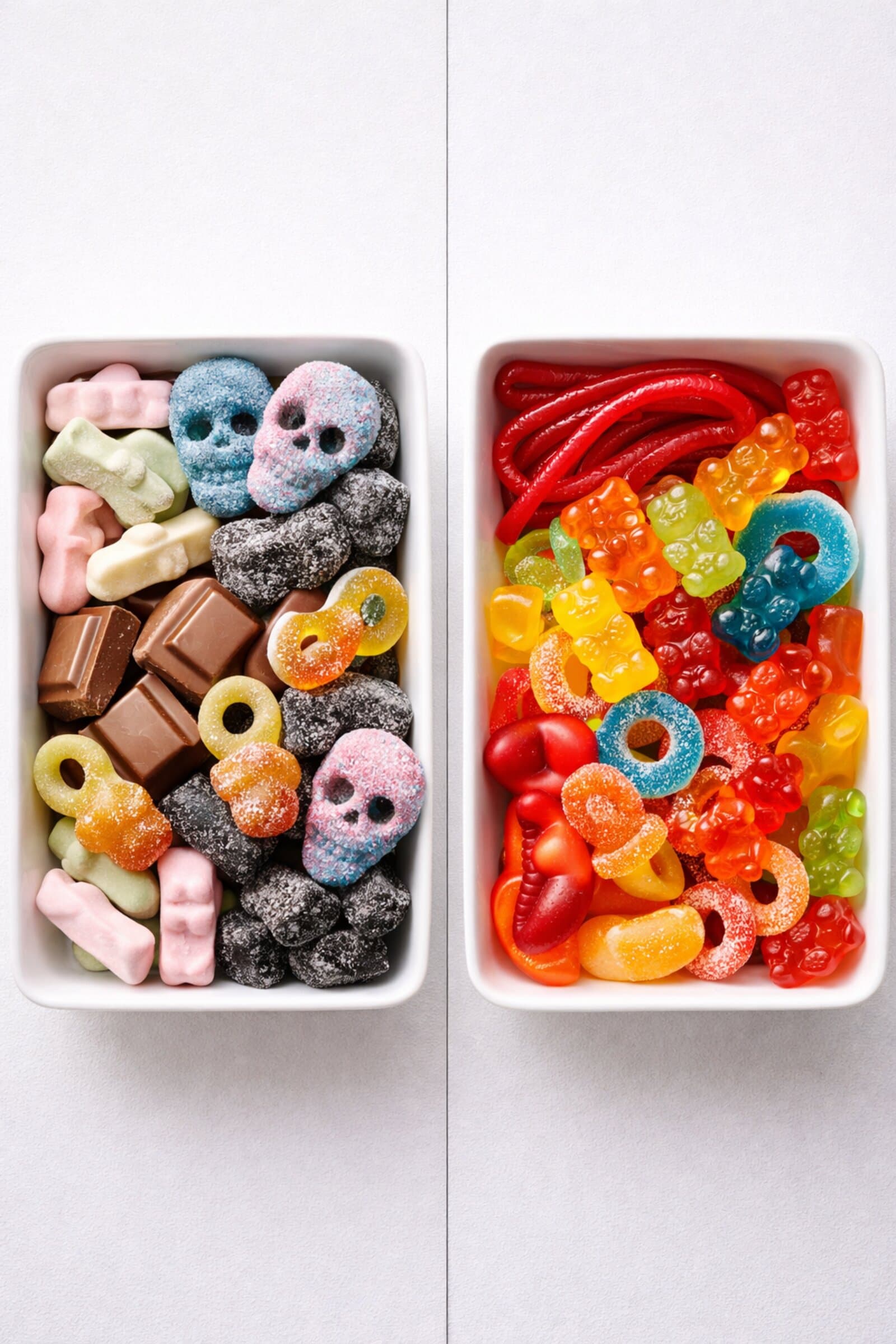
The difference between Swedish and American candy goes far beyond taste. Different regulations, different ingredients, different philosophy. Once you understand why they're different, you'll understand why millions of people are making the switch.
Why the Difference Matters
When you bite into a piece of Swedish candy for the first time, something feels different. The sweetness lands differently on your tongue. The flavors taste more complex. The texture might surprise you. These aren't accidents—they're the result of fundamental differences in how Sweden and America regulate, produce, and think about candy.
Understanding where these differences come from helps explain why Swedish candy vs American candy has become such a hot topic, especially on social media. It's not just nostalgia or marketing hype. There are real, measurable differences in ingredients, production methods, and regulatory standards that make these products fundamentally different.
The Sweetener Divide: Sugar vs. High Fructose Corn Syrup
The most fundamental difference between Swedish and American candy starts with how they're sweetened.
American Candy: High Fructose Corn Syrup
The majority of American candy relies on high fructose corn syrup (HFCS) as its primary sweetener. This ingredient became standard in the 1970s because it's cheaper than sugar, has better shelf stability, and is easier to transport. Corn subsidies in the US made it economically irresistible for manufacturers.
HFCS is a refined ingredient that hits your taste receptors intensely and immediately. Some people describe the sweetness as "sharper" or "harsher" than sugar-sweetened candy. The metabolic effect is also different—your body processes HFCS differently than table sugar at a molecular level, though research on whether this leads to different health outcomes remains inconclusive.
Swedish Candy: Real Sugar
Swedish candy manufacturers use real sugar (sucrose) as their primary sweetener. This is mandated by Swedish food regulations and EU standards. The result is a sweeter taste that feels rounder and smoother on your palate. Real sugar also has subtle flavor implications—it allows other flavors in the candy to shine through more clearly without the sharpness that HFCS can create.
Sweden also embraces alternative sweeteners like xylitol in many Swedish candy products, particularly in sugar-free and diabetic-friendly varieties. Xylitol is extracted from birch wood and has a lower glycemic impact than sugar.
The Takeaway: Swedish candy tastes less aggressively sweet because real sugar hits your taste receptors differently than HFCS. This is partly why people describe Swedish candy as more "refined"—it's not actually less sweet, just differently sweet.
Food Dyes and Coloring: Natural vs. Synthetic
The visual difference between Swedish and American candy is striking, and it comes down to color regulations.
American Candy: Synthetic Dyes
American candy relies heavily on synthetic food dyes like Red 40, Yellow 5, Yellow 6, and Blue 1. These are petroleum-derived chemicals that create vibrant, consistent colors. They're cheap, stable, and don't affect flavor.
However, there's increasing concern about these dyes. Some research suggests links to hyperactivity in children, though this remains debated. The FDA allows these dyes while the EU has been more restrictive. Many mainstream American candy brands now include warning labels in Europe: "may have an adverse effect on activity and attention in children."
Learn more about this controversy in our article on Red 40 and Swedish candy.
Swedish Candy: Plant-Based and Nature-Identical Colors
Swedish manufacturers primarily use plant-based colorants derived from sources like:
- Spirulina (producing blue and green shades)
- Anthocyanins from berries (producing reds and purples)
- Caramel coloring (producing browns)
- Turmeric and beta-carotene (producing yellows and oranges)
- Carmine from cochineal beetles (producing deep reds)
These colors are more expensive and less stable than synthetic dyes, which is why Swedish candy sometimes has a more muted color palette. You won't see the neon-bright shades in Swedish candy that you see in American candy.
The EU's stricter regulations on food dyes reflect different regulatory philosophies—the precautionary principle (if there's potential concern, restrict it) versus the American approach (restrict only what's proven harmful).
Curious about the specific dyes? Read our comprehensive guide to Swedish food dyes vs American.
Flavor Philosophy: Complexity vs. Intensity
Beyond ingredients, Swedish and American candy makers approach flavor fundamentally differently.
American Candy: Bold and Simple
American candy tends to feature one or two bold flavors: cherry, grape, strawberry, or artificial fruit blends. The flavor is intense and immediate. Think of classic American gummies or hard candies—you know exactly what flavor you're getting, and it hits hard.
Swedish Candy: Layered and Complex
Swedish candy often features more sophisticated flavor profiles. Real fruit flavors, herbal notes, and subtle combinations are common. A single Swedish gummy might have hints of lingonberry, citrus, and natural vanilla working together rather than one overwhelming flavor.
This reflects Scandinavian design philosophy more broadly: less is often considered more. Quality over quantity. Subtlety over boldness.
The Texture Question: Soft vs. Gummy
Texture is another arena where differences emerge.
American gummies tend to be very soft and chewy, designed to melt quickly in your mouth. Swedish candies often have more varied textures—some are firmer, designed to last longer and require more chewing. This connects to lördagsgodis culture, where candy is meant to be savored slowly on Saturday nights, not consumed quickly.
Some Swedish candies have a slightly waxy or slick texture that feels unusual to American palates at first. This comes from specific gelling agents and production methods.
The Regulatory Framework: EU vs. FDA
The deepest difference between Swedish and American candy comes down to government regulations.
EU Regulations (Governing Swedish Candy)
- Sugar content regulation: EU limits sugar in certain products and requires clear labeling
- Banned ingredients: Various colorants, preservatives, and additives banned in EU are legal in the US
- Labeling requirements: Must list allergens, additives, and origins clearly
- Precautionary principle: If safety is questionable, the ingredient is restricted
- GMO disclosure: GMO ingredients must be clearly marked
FDA Regulations (Governing American Candy)
- Generally Recognized as Safe (GRAS): Allows many ingredients without extensive testing if manufacturers claim they're safe
- Permitted colorants: Allows synthetic dyes deemed safe by FDA testing
- Allergen labeling: Required for eight major allergens but less detailed than EU
- Risk-based approach: Only bans what's proven harmful
- GMO labeling: Not required at federal level
These regulatory differences mean that American manufacturers can use ingredients banned in Europe, and vice versa. This is why the same brand often has different formulations in different markets.
Comparison Table: Swedish Candy vs American Candy
| Category | Swedish Candy | American Candy |
|---|---|---|
| Sweetener | Real sugar (sucrose), xylitol, stevia | High fructose corn syrup, sugar, corn syrup |
| Colors | Plant-based: spirulina, anthocyanins, caramel, turmeric | Synthetic: Red 40, Yellow 5, Blue 1, Yellow 6 |
| Flavoring | Real fruit extracts, complex blends, natural flavorings | Artificial flavors, fruit blends, bold single notes |
| Texture | Varied: firm gummies, chewy, some waxy feel | Soft, chewy, quick-melt gummies |
| Variety | Lösgodis system with 150+ options by weight | Pre-packaged assortments, fewer customization options |
| Consumption Philosophy | Lördagsgodis: moderated, weekly ritual, savored | Everyday snacking, convenient, readily available |
| Packaging | Designed for freshness, sometimes plastic-heavy in weight | Designed for shelf stability, often more durable |
The Lördagsgodis Factor: Cultural Approach to Candy
Perhaps the biggest difference between Swedish and American candy isn't in the ingredients—it's in how each culture approaches eating candy.
In Sweden, lördagsgodis (Saturday candy) is a cultural institution. Candy is eaten once a week, on Saturday, in a controlled portion. This moderation-focused approach means candy is treated as something special, not an everyday convenience snack.
In the United States, candy is available everywhere and eaten casually throughout the week. This has shaped American candy to be convenient, shelf-stable, and designed for casual consumption.
This cultural difference explains why Swedish candy often comes in smaller portions and premium packaging—it's meant to be savored, not consumed mindlessly.
Popular Swedish Candy to Try
If you want to experience these differences firsthand, try:
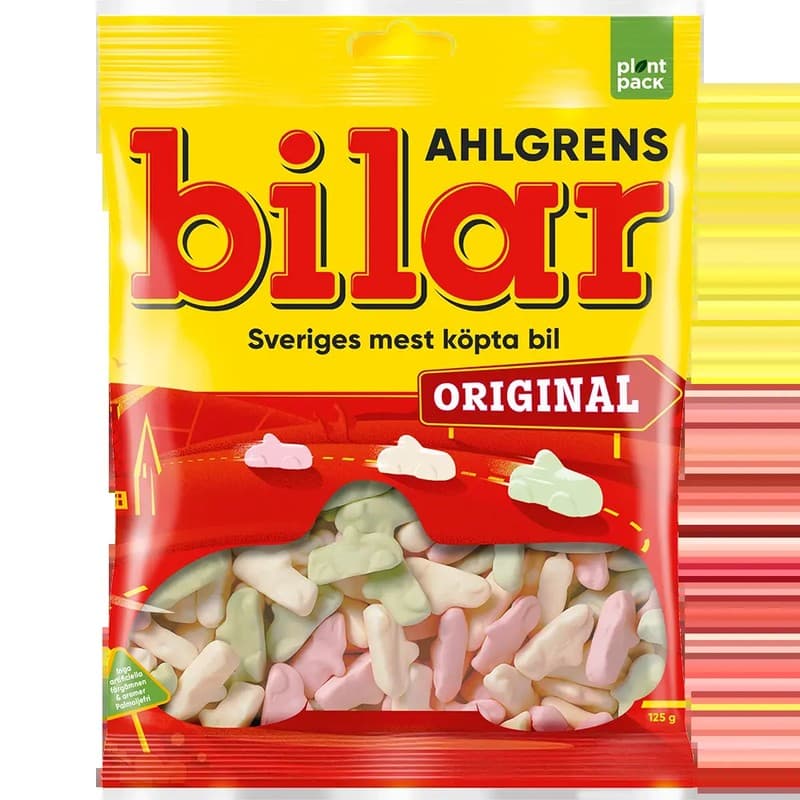
- Åhlgren's Bilar: Soft foam cars with complex fruity flavors and plant-based colors
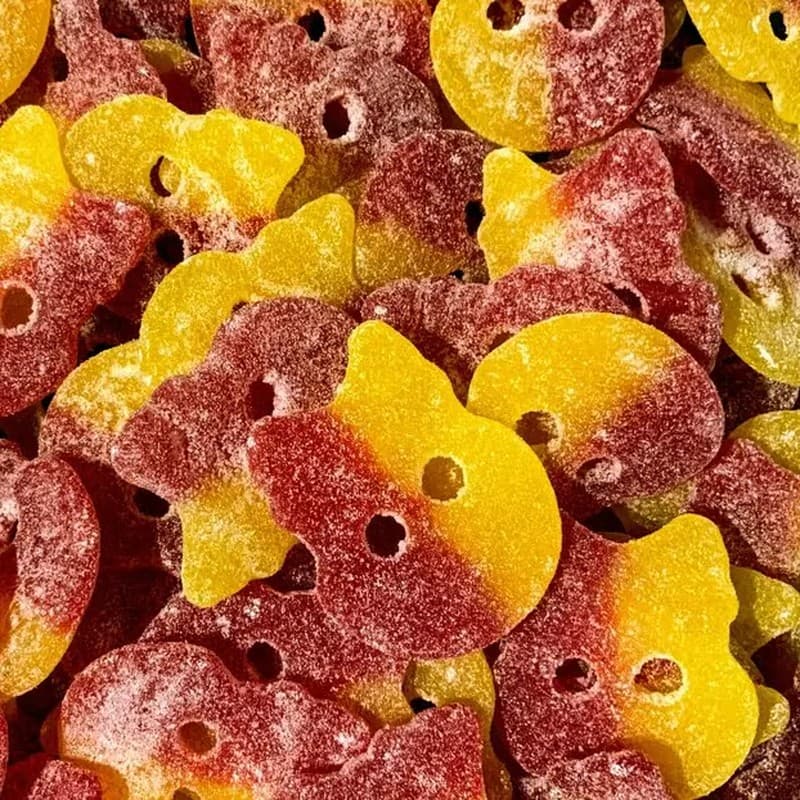
- BUBS Sour Skulls: Sour gummies with natural colors and real fruit flavoring
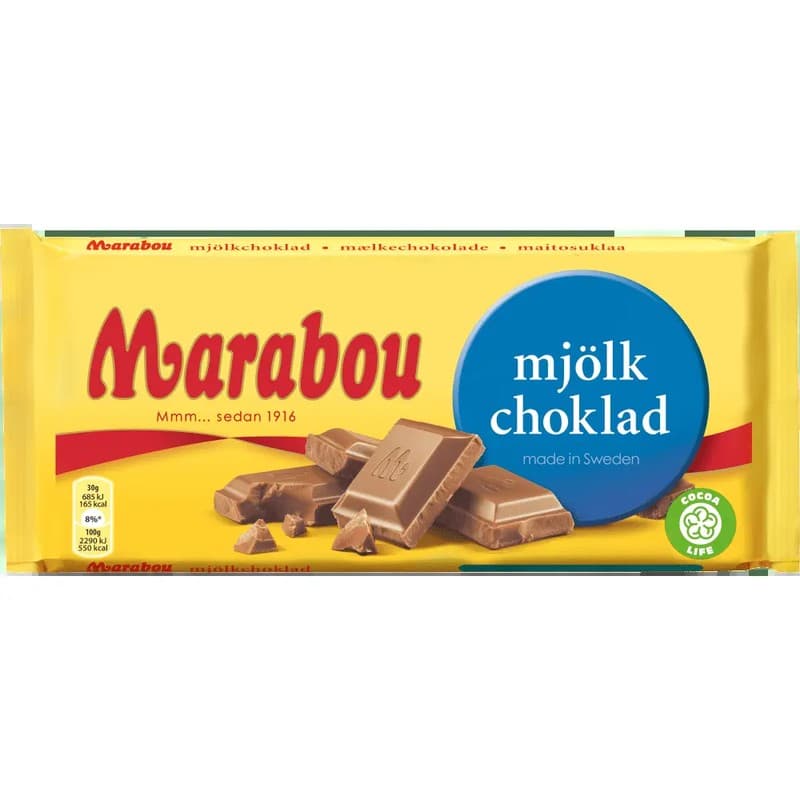
- Marabou Mjölkchoklad: Classic Swedish chocolate with simple, clean ingredient list
You can find these and many more Swedish candies at SwedishCrave's candy shop.
Is Swedish Candy Healthier?
A common question: Is Swedish candy actually healthier than American candy? The answer is nuanced.
Swedish candy doesn't contain fewer calories, and often isn't lower in sugar. However, it does contain:
- Real sugar instead of HFCS
- Plant-based dyes instead of synthetic ones
- Real fruit extracts instead of artificial flavors
- Fewer synthetic additives overall
Whether this makes it "healthier" depends on your values. Some people prioritize fewer synthetic ingredients. Others only care about calorie and sugar content. From a pure nutrition standpoint, the differences are small—both are candy, and moderation is key with either.
For a deeper dive, check out our article: Is Swedish Candy Healthier?
Banned Ingredients: What's Illegal Where
Some ingredients used in American candy are banned in Sweden and the EU. These include:
- BHA and BHT: Preservatives banned in EU, legal in US
- Brominated vegetable oil (BVO): Banned in EU, was used in American sodas and some candies
- Certain food dyes: Several synthetic dyes banned in EU are still legal in the US
- High levels of certain colorants: Some dyes allowed in US at levels banned in EU
The inverse is also true—some ingredients used in Swedish candy might not be approved in the US.
Learn more: Banned Ingredients in American Candy.
Try authentic Swedish candy and see for yourself how it compares.
FAQ: Swedish Candy vs American Candy
1. Why does Swedish candy taste different if it's still candy?
The difference comes from multiple factors: real sugar vs. HFCS creates a different sweetness profile, plant-based vs. synthetic dyes affect taste slightly, and real fruit extracts vs. artificial flavors create more complex flavor layers. Combined, these changes create a noticeably different eating experience.
2. Is Swedish candy more expensive because it's higher quality?
Partially. Swedish candy uses more expensive ingredients (plant-based dyes cost more than synthetic ones, real sugar can be pricier than HFCS), involves stricter manufacturing processes, and is imported to the US (adding shipping costs). However, "higher quality" is subjective—it depends on whether you value the ingredients used.
3. Why does American candy use high fructose corn syrup if it's considered worse?
Cost. HFCS is cheaper than sugar due to US corn subsidies, has better shelf stability, and is easier to transport. These factors made economic sense for manufacturers when HFCS became available in the 1970s. Changing formulations would increase costs, which is why most American manufacturers haven't switched back to sugar.
4. Can I buy Swedish candy in the US?
Yes! Swedish candy is increasingly available online and in specialty stores. SwedishCrave offers a wide selection of authentic Swedish candy with US shipping. Popular brands include BUBS, Åhlgren's, Marabou, and Malaco. Prices are higher than in Sweden due to import costs, but you get the authentic experience.
The Bottom Line
Swedish candy and American candy are fundamentally different products shaped by different regulations, different economics, and different cultural approaches to eating. Neither is inherently "better"—they're different. Swedish candy uses more expensive, less stable ingredients and reflects a culture that treats candy as a special occasion. American candy prioritizes shelf stability, cost, and convenience.
Understanding these differences helps you make informed choices about what you're eating. And if you try Swedish candy and realize you prefer it? You're joining millions of people around the world who've made the same discovery.

Founder & Editor
Former Swedish candy & FMCG professional turned US-based founder of SwedishCrave. Built the site to fill the gap he saw when he moved stateside.