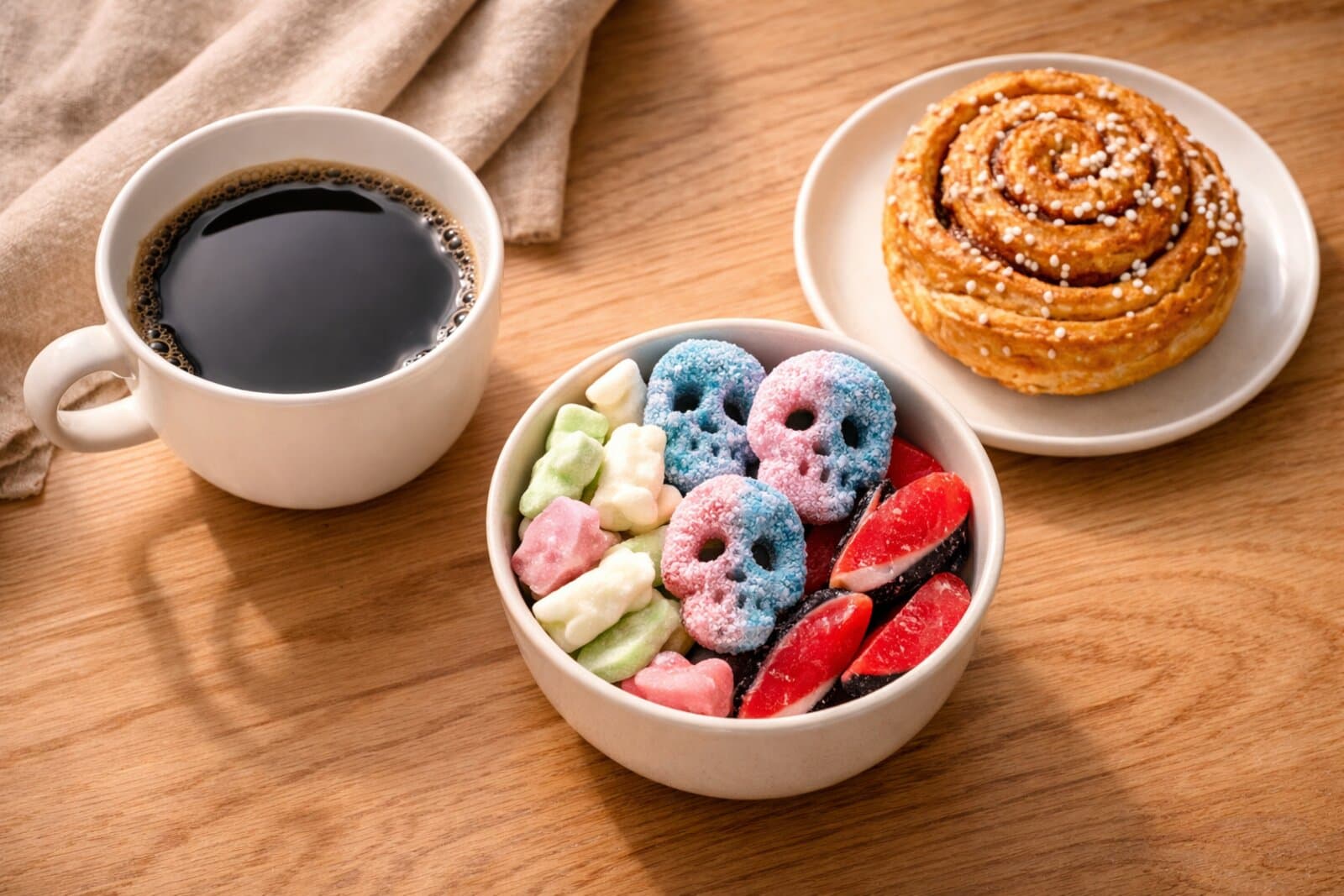
Sweden has two sweet traditions that define daily life: fika (the sacred coffee-and-pastry break) and lördagsgodis (Saturday candy). Together, they reveal a culture that takes deliberate pleasure in sweets rather than mindless consumption.
What Fika Really Means: Beyond the Coffee Break
When Americans think of Swedish traditions, they might picture meatballs, minimalist design, or the midnight sun. But for Swedes, one of the most sacred rituals in daily life is fika — a word that carries far more meaning than its simple English translation of "coffee break" could ever capture. Fika is a deliberate pause in the day, a moment of mindfulness before it was trendy, and a social institution woven into the fabric of Swedish culture.
If you ask a Swede to explain fika, they might start with the basics: it's a scheduled break, typically in the morning around 10 AM or in the afternoon around 3 PM, where you stop working to enjoy coffee and something sweet. But this explanation only scratches the surface. Fika is not about caffeine consumption or calorie intake. It's about intentionality.
The Swedish concept of fika encompasses several philosophical ideas that reflect broader Swedish values. First, there's the principle of equality and community. In Swedish workplaces, fika is a collective experience. Managers and entry-level employees sit together. Everyone stops at the same time. This is not merely a break — it's a leveling moment where hierarchy temporarily dissolves over a shared cup of coffee.
Second, fika embodies the Swedish ideal of balance and well-being. While other cultures might push through work with endless coffee, Swedes have institutionalized the concept of rest. Taking fika is not laziness; it's essential maintenance recognized by employers as necessary for productivity and mental health.
Third, there's an element of sensory pleasure and quality. Swedes are not casual about fika. The coffee must be good. The pastry or candy must be worth the pause. This attention to quality reflects a broader Swedish philosophy: when you do something, do it well and mindfully.
The History and Philosophy of Fika
Coffee arrived in Sweden in the 1680s and gradually became more accessible throughout the 18th and 19th centuries. By the Industrial Revolution, as factories and offices became the new centers of work, the need for regulated breaks became evident. But Sweden approached this differently than other industrializing nations.
Rather than viewing breaks as reluctant concessions to labor, Swedish culture began to frame them as essential components of a well-ordered life. By the early 20th century, fika had become formalized — not just something people did, but something society recognized and protected.
The philosophical underpinning of fika contradicts certain American assumptions about productivity. Swedish culture doesn't believe that constant work equals maximum output. Instead, Swedes understand that humans are creatures who need rhythm — work, then rest, then work again. Fika is the institutionalization of this rhythm.
The introduction of coffee culture also coincided with Sweden's development of its legendary candy and chocolate industries. As fika became standardized, the sweet treat became its natural companion. The pairing of coffee and candy wasn't accidental — it was perfect.
Fika and Lördagsgodis: Sweden's Two Sweet Traditions
The relationship between fika and Swedish candy culture is profound and interconnected. To understand this, you need to know about lördagsgodis, which translates to "Saturday candy." This is the Swedish tradition of buying and eating candy specifically on Saturdays — a deliberate, scheduled indulgence rather than casual, constant snacking.
On the surface, lördagsgodis seems contradictory to fika. One is a daily ritual; the other is weekly. But they reflect the same core Swedish value: intentional consumption. Swedes don't snack mindlessly throughout the day. Instead, they have designated times — fika, lördagsgodis, meals — when eating is a purposeful, social activity.
The origin of lördagsgodis is itself fascinating. It traces back to the Vipeholm experiments of the 1940s and 1950s, when researchers studied the relationship between sugar consumption and dental decay. The results led to a national recommendation: eat candy once a week, on Saturday. Rather than resenting this restriction, Swedes embraced it, turning Saturday candy into a beloved tradition that endures to this day.
During fika, candy and chocolate serve multiple functions. They extend the moment — a cup of coffee takes five minutes; a cup of coffee with a piece of quality chocolate takes fifteen. That chocolate becomes the anchor that makes the pause feel legitimate and substantial.
What Swedes Actually Eat During Fika
Understanding Swedish candy culture means understanding what appears on fika tables across the country. A typical Swedish fika spread might include:
- Kardemummabullar (cardamom buns) — a spiced, slightly sweet pastry that's almost a national symbol
- Kanelbullar (cinnamon rolls) — warm, slightly sticky, and the reason October 4th is Cinnamon Bun Day in Sweden
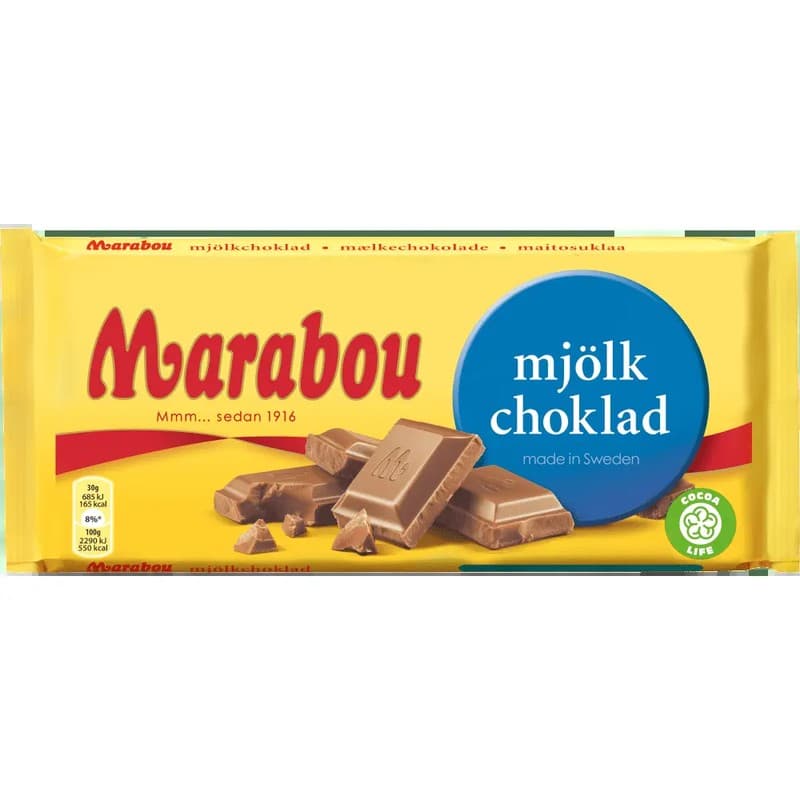
- Quality chocolate — typically Marabou or similar Swedish brands, enjoyed in small, savored amounts
- Swedish candy — a few pieces of Ahlgrens Bilar, some licorice, or mixed candy from Malaco Gott & Blandat
- Fresh fruit — in summer, berries or other seasonal fruits
What's notable is what's typically not included: sugary cereals, donuts with heavy glazing, or overly elaborate cakes. Swedes prefer understated elegance in their fika treats. The candy is premium but not excessive.
Fika Etiquette: The Unwritten Rules
Like all deeply ingrained cultural practices, fika comes with an unspoken set of rules that Swedes learn from childhood.
Everyone stops at fika time. In Swedish workplaces, when it's fika time, it's fika time. You don't skip it to answer emails. You don't take it at your desk. The whole point is collective pause and disengagement from work.
Fika is social. While you could technically have fika alone, the cultural ideal is shared. In offices, people gather in common areas. The togetherness is essential to the ritual's meaning.
Quality matters more than quantity. It's better to have excellent coffee and one good piece of chocolate than mediocre coffee and an abundance of snacks. You're not trying to feel full — you're creating a moment of sensory pleasure.
Fika is not rushed. Typically 15–30 minutes. This isn't a five-minute gulp-and-go. You sit, you talk, you savor.
The presentation matters. Using a proper cup rather than a travel mug, arranging the sweet on a plate rather than eating from the package — these small gestures transform a break into a ceremony.
The Role of Chocolate and Candy in Fika Philosophy
Why is quality so central to fika? Swedes value items that are well-made, built to last, and beautiful in their simplicity. This philosophy extends to candy and chocolate during fika. Rather than eating large quantities of cheap sweets, Swedes prefer a small amount of something excellent. One square of premium chocolate delivers more satisfaction than a handful of mass-produced candy.
The chocolate consumed during fika connects to broader Swedish industrial heritage. Companies like Marabou, founded in 1916, positioned themselves as creators of quality treats for daily moments of pleasure. The Marabou brand essentially defined what premium Swedish chocolate means. Understanding this history of Swedish candy gives fika even deeper significance.
When you enjoy Swedish chocolate during fika, you're participating in over a century of tradition. You're recognizing craftsmanship and choosing quality over quantity — perhaps the most Swedish choice you can make.
Bringing Fika Culture into Your Own Life
The beauty of fika is that it's not geographically restricted. You don't need to be in Sweden to practice this ritual. Importing fika into your daily life can be genuinely transformative.
To start a fika practice, choose a time — morning or afternoon — and commit to taking a 15–30 minute break. This is non-negotiable. Invest in good coffee. Then choose your sweet — Marabou milk chocolate perfectly captures the Swedish approach. Or try Bubs sour candies if you prefer something tangy.
The critical component is the social element. Ideally, you're taking fika with someone else. In Swedish culture, fika is about connection, and including others multiplies its benefits. For those wanting to expand the experience, consider hosting a Swedish candy tasting night to share the tradition with friends.
Fika in the Modern World
Fika has survived and thrived in the digital age, which says something profound about its cultural importance. Modern fika looks different than it did in 1950 — some people video-call for virtual fika during remote work — but the core remains unchanged. Swedes still stop. They still gather. They still savor.
For Americans discovering fika, this can feel almost revolutionary. The idea that taking a break isn't lazy, that enjoying a small treat is not indulgent, that pausing to connect with others is essential rather than optional — these concepts challenge the efficiency-obsessed mindset that dominates much of American culture.
Yet they work. Studies have shown that breaks improve focus, creativity, and mood. The Swedish approach to enjoying sweets differently than Americans, formalized and protected, might explain some of Sweden's higher happiness rankings. It's not just coffee and candy; it's the message those rituals send: you matter, your well-being matters, connection matters.
Frequently Asked Questions
What's the difference between fika and a regular coffee break?
Fika is a deliberate, social, often scheduled ritual that emphasizes quality and connection. A regular coffee break might be rushed and solitary. Fika is meant to be savored. In Sweden, fika is recognized and protected as essential to workplace culture in ways that a casual coffee break simply isn't.
Is candy always included in fika?
Not always, but frequently. The ideal fika includes both coffee and something sweet — a pastry, chocolate, candy, or even fruit. The sweet component transforms fika from a simple beverage break into a more complete sensory experience. However, fika without a sweet treat is still fika — the key is the deliberate pause and social connection.
What's the best Swedish candy to enjoy during fika?
Quality chocolate like Marabou milk chocolate is ideal because of its long association with Swedish fika culture. The important principle is quality over quantity — one piece of excellent chocolate beats a handful of mediocre candy. Explore different Swedish candy options to find what appeals to you.
Can I practice fika if I'm not in Sweden?
Absolutely. Fika's principles are universal. You can create a fika ritual anywhere by committing to a scheduled pause, making it social, choosing quality coffee and sweets, and approaching the moment mindfully. Many people outside Sweden have embraced fika as a way to resist hustle culture and reclaim balance.
How does fika relate to lördagsgodis?
Both traditions reflect the same Swedish value: intentional, scheduled consumption rather than constant snacking. Fika is a daily ritual involving coffee and sweets, while lördagsgodis is a weekly Saturday tradition dedicated to candy. Together, they create a rhythm where sweets are anticipated, valued, and savored rather than mindlessly consumed.

Founder & Editor
Former Swedish candy & FMCG professional turned US-based founder of SwedishCrave. Built the site to fill the gap he saw when he moved stateside.