Swedish candy tasting nights are trending for a reason — they're fun, photogenic, and nobody's ever tried it before. Here's how to host one that your friends won't stop talking about, from candy selection to tasting cards.
Why Host a Swedish Candy Tasting Night?
Before we dive into the logistics, let's talk about why this is worth your time. Swedish candy offers something distinctly different from what Americans typically find in convenience stores. The flavor profiles are bolder, the textures more varied, and the ingredient quality often higher. You'll find salted licorice that's acquired a devoted following, sour gummies with real fruit flavor, chocolate with European refinement, and unique combinations that seem to come from nowhere but somehow work perfectly.
Hosting a tasting night is also a low-pressure way to introduce friends to Swedish candy for beginners. Rather than recommending a single candy and hoping they'll like it, you're creating an experience where everyone gets to try multiple options, compare flavors, and discover their own favorites. It's educational without feeling like a lecture, and fun without requiring any special skills.
Planning Your Guest List and Theme
Who Should You Invite?
The ideal guest count is between 6 and 12 people. This size allows for good group interaction without becoming overwhelming to manage. Too small, and you don't get the energy and varied reactions; too large, and it becomes chaotic. Think about inviting people who are naturally curious about food and culture, rather than strictly candy enthusiasts. Some of the most entertaining moments come from people who discover they love something they thought they wouldn't enjoy.
Consider a mix of personalities too. One or two adventurous eaters, some moderately open-minded guests, and maybe one skeptic keeps the conversation lively. The skeptic who tries Ahlgrens Bilar and becomes obsessed is worth their weight in entertainment value.
Setting the Atmosphere
A successful tasting night has a deliberate, curated feel without being pretentious. Set your table with small tasting portions in front of each seat. Use small bowls or plates — this encourages people to try everything without feeling pressured to consume large amounts. Good lighting matters more than you'd think; natural light or warm overhead lighting helps people see the colors and details of the candies, which is part of the sensory experience.
Consider playing some Swedish music in the background — not so loud it interferes with conversation, but enough to set a Scandinavian mood. Swedish pop, indie folk, or even classical Swedish composers create ambiance without distraction.
Selecting Your Candy Lineup
The Foundation: Variety Across Categories
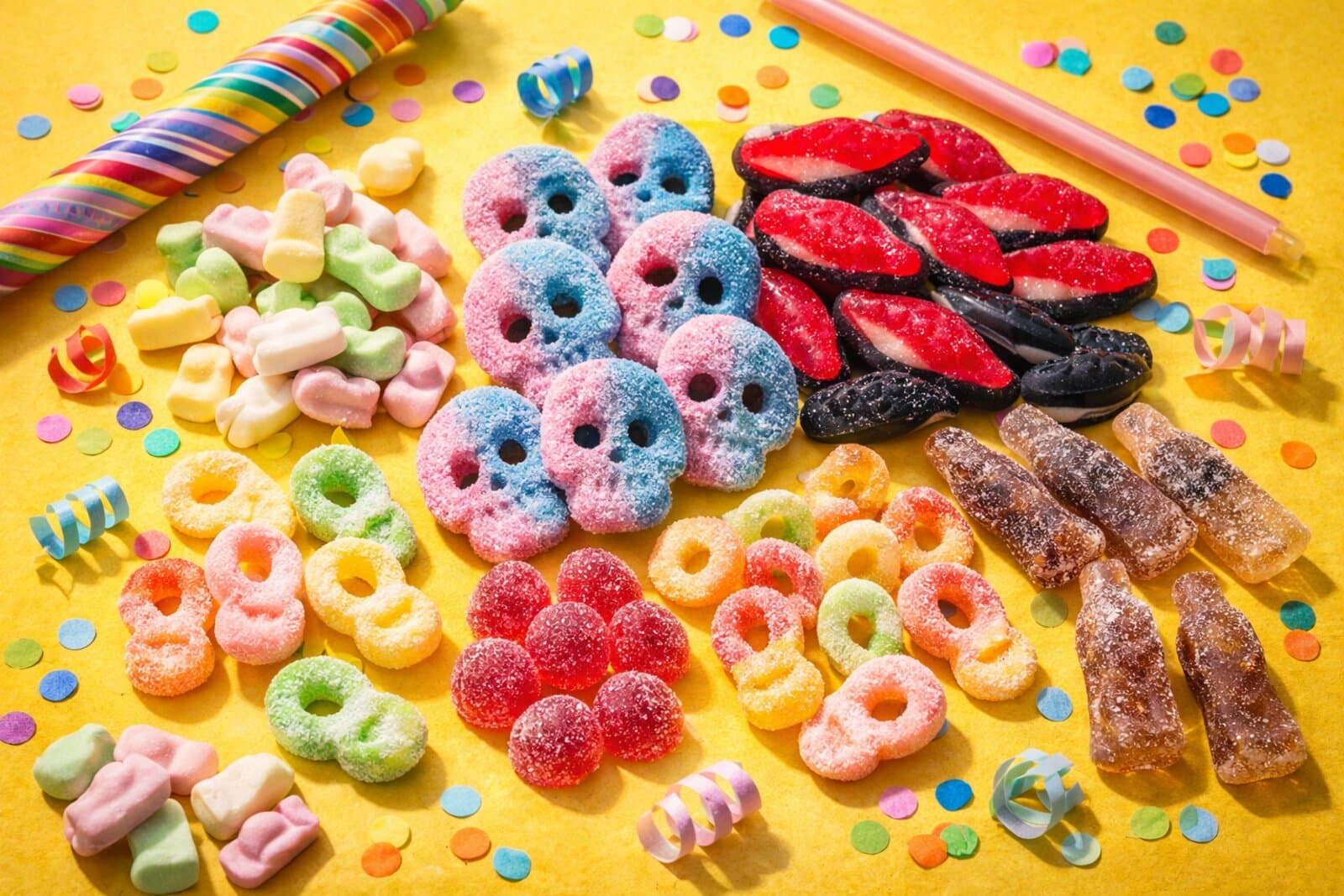
The key to a successful tasting is diversity. You want people to experience the full spectrum of what Swedish candy offers, which means including at least 8–12 different candies across multiple categories. Here's what I recommend: (If you'd rather serve one showpiece bowl than individual tastings, make a Swedish candy salad instead.)
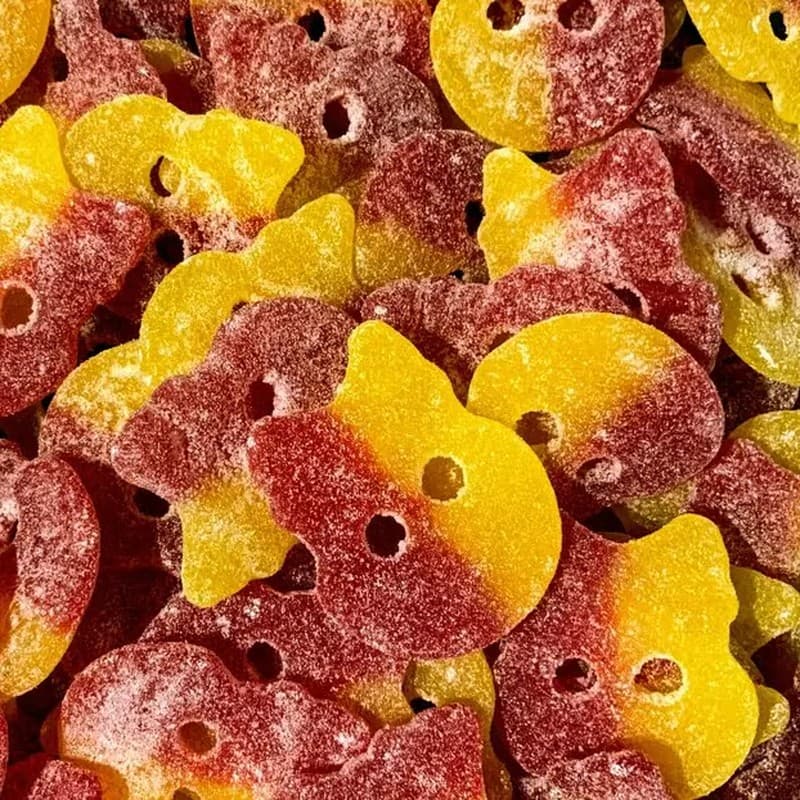
- Sour gummies and fruity candies — Start with familiar territory. Bubs Sour Skulls are perfect here; they're sour enough to be exciting but not so extreme that they alienate anyone.
- Chocolate selections — Include at least 2–3 Swedish chocolate options. Marabou Mjölkchoklad is creamy and excellent for people transitioning from American chocolate.
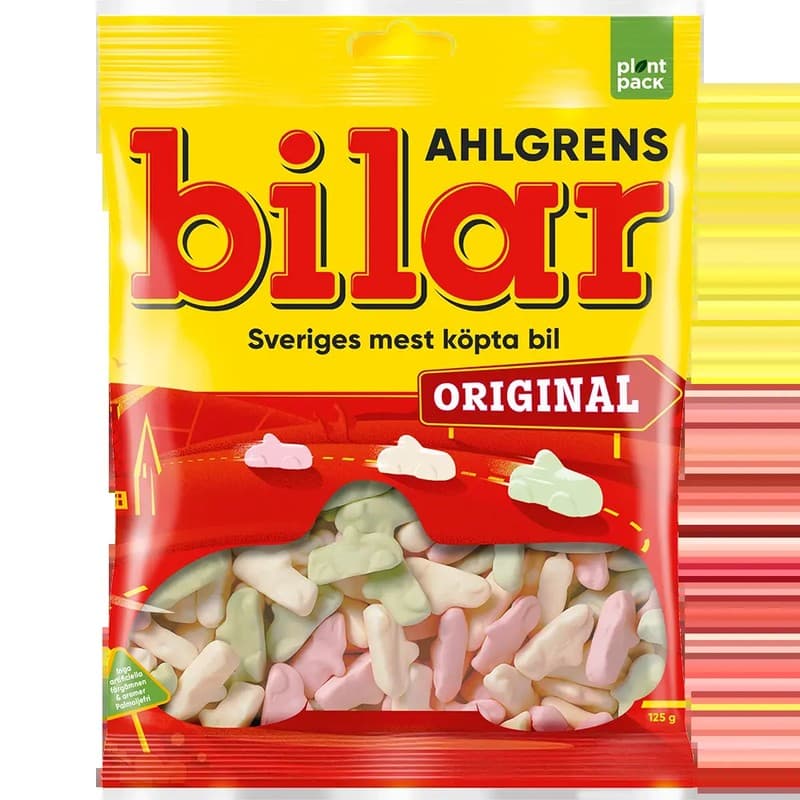
- Unique textures and shapes — Ahlgrens Bilar (little marshmallow car-shaped candies) are delightful because they surprise people. They look simple but have a sophisticated vanilla flavor and interesting mouthfeel.
- Salty licorice (optional but recommended) — Not everyone will love salty licorice, but having it available teaches people about an authentic Swedish taste preference.
- Mixed candy bags — Malaco Gott och Blandat bridges the gap between familiar and adventurous with its mix of fruit and licorice flavors.
Building Your Specific Selection
For a tasting of 8–10 people, I recommend this specific lineup based on what consistently gets the best reactions:
- Bubs Sour Skulls — Everyone's familiar with sour gummies, so this is a non-threatening entry point.
- Ahlgrens Bilar — The surprise hit. Always generates "what is this?" and usually ends up being someone's favorite.
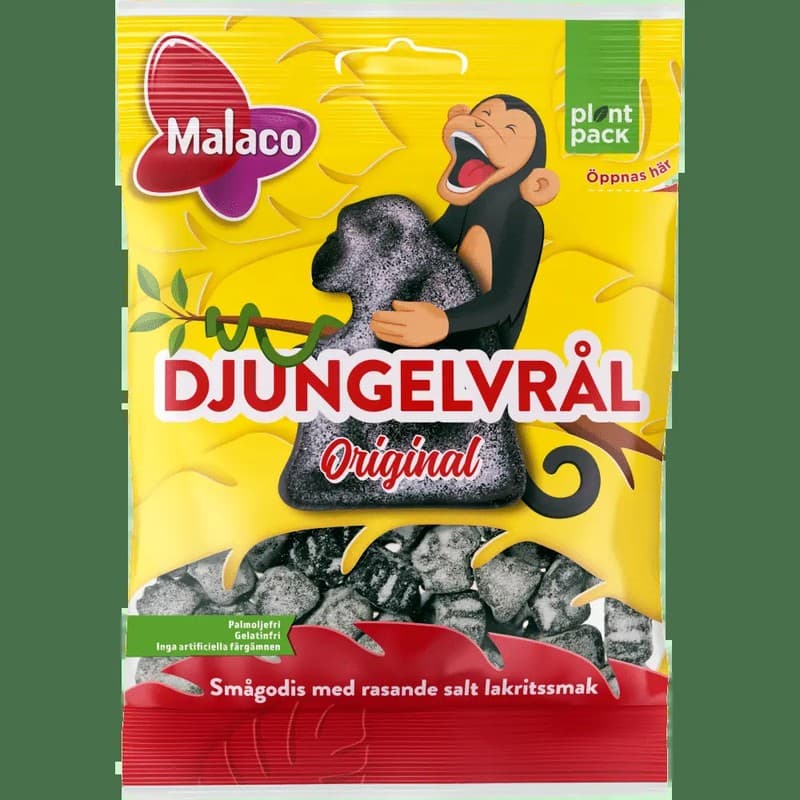
- Djungelvrål — Colorful, chewy, and approachable. Great for the middle of your tasting.
- Marabou Mjölkchoklad — Quality chocolate that people can appreciate without explanation.
- A salty licorice option — Small portions, clearly labeled as "salty." The reactions alone are worth it.
Sourcing Your Candies
You have a few options here. If you're in a major city, Swedish specialty shops or Scandinavian markets might stock these items. For most Americans, buying Swedish candy online is your best bet. Amazon, specialty candy websites, and direct Swedish importers all offer variety packs and individual selections. Ordering a couple weeks in advance ensures you get exactly what you want without stress.
Creating Your Tasting Setup
Plating and Portion Control
This matters more than you'd expect. For each candy, serve a small portion — maybe 2–3 pieces per person. Use small individual bowls or arrange candies on a tasting flight platter with separators. Place a small card next to each candy with its name and any useful information. For example: "Ahlgrens Bilar — Marshmallow-based, vanilla flavor, Swedish classic since 1953." This takes 30 seconds per card but elevates the entire experience.
Pairing with Drinks and Palate Cleansers
Provide water in abundance. Offer coffee or tea as well — these pair well with chocolate and licorice candies. Skip sugary drinks; you're already tasting candy, and soda will interfere with subtle flavors. Have some plain crackers available for palate cleansing between candies, especially if you're tasting multiple salty or sour items in succession.
For an adult crowd, consider pairing certain candies with beverages. Swedish chocolate pairs beautifully with coffee. Fruity gummies work well with herbal tea. This transforms the tasting from "candy tasting" into "Swedish confectionery experience."
Structuring the Event
The Guided Tasting Approach
Rather than letting people try everything at once, guide them through systematically. Start with lighter, fruitier options and work toward richer, more complex flavors. This is a proven approach in wine and chocolate tasting, and it works beautifully here too. Begin with Bubs Sour Skulls or similar gummies, move through chocolates and unique shapes, and end with salty licorice for the adventurous.
As people taste each candy, take 2–3 minutes to discuss it. Ask questions like: "What does this remind you of?" "Is the texture what you expected?" "How is this different from similar American candies?" These prompts generate conversation and help people articulate their reactions.
Building a Scoring System
This is the secret weapon that transforms a tasting into an engaging event. Create a simple scorecard where each person rates each candy on a scale of 1–5, and include columns for comments. After tasting, spend time tabulating which candies got the highest average scores and which ones surprised people. You'll often find that the candy someone dismissed initially ends up being the group favorite.
Cultural Context
Share a bit about Swedish candy culture. Mention that Swedes have a tradition called lördagsgodis (Saturday candy), where families buy candy just once per week. Point out how Swedish candy flavors that Americans love reflect decades of Scandinavian candy-making tradition. These conversational touches make the event feel informative without being lecture-like.
Managing the Timeline
Plan for 90 minutes to 2 hours. This gives you time for introductions (5–10 minutes), guided tasting (60–75 minutes), and wrap-up discussion (15–20 minutes). Don't rush the tasting phase. Spending 3–4 minutes per candy means you'll taste 8–10 candies in about an hour, which is perfect.
Advanced Tips for Repeat Hosts
Once you've hosted one successful event, try variations. A "blind tasting" where candies aren't labeled and people guess works incredibly well. A Swedish vs. American comparison where similar candies are tasted side by side creates fascinating debates. Or try a "regional tour" where each candy represents a different Swedish candy tradition.
Send guests a follow-up email with a photo from the tasting, the final scores, and links to where they can order their favorite candies online. Include articles like our guide to Swedish gummies or best Swedish candy for anyone interested in learning more.
Frequently Asked Questions
How much candy do I need to buy for a tasting night?
Plan for approximately 3–4 ounces of candy per person across all types. For 8 people tasting 10 different candies, approximately 30–40 ounces total is ideal. This prevents waste while ensuring enough variety for everyone to try everything at least once, with some extras for favorites.
Can I use the candy recommendations from the beginners guide?
Absolutely. The Swedish candy for beginners guide is specifically curated for American palatability, which makes those recommendations perfect for a tasting night. They're chosen for accessibility and consistently perform well in group tastings.
What if some guests have food allergies?
Ask about allergies when you send invitations. Have ingredient lists available for every candy. Swedish candies generally have fewer artificial additives than American versions, but some contain common allergens like nuts, gelatin, or gluten. Label each candy station clearly and keep packaging available for reference.
Is it better to host in the evening or afternoon?
Afternoon tastings (2–4 PM) work well because sugar and caffeine are less likely to interfere with sleep. But evening events have a more social, party-like atmosphere. Choose based on your crowd — families do better in the afternoon, friend groups often prefer evening.
How do I explain salty licorice to first-timers?
Introduce it as "an acquired taste rooted in Scandinavian culture for over a century." Explain that it contains salmiak (ammonium chloride salt), which creates the distinctive salty, intense flavor. Frame it as cultural exploration rather than something they're expected to enjoy. Those curious will try it; those skeptical can skip it without judgment.

Founder & Editor
Former Swedish candy & FMCG professional turned US-based founder of SwedishCrave. Built the site to fill the gap he saw when he moved stateside.