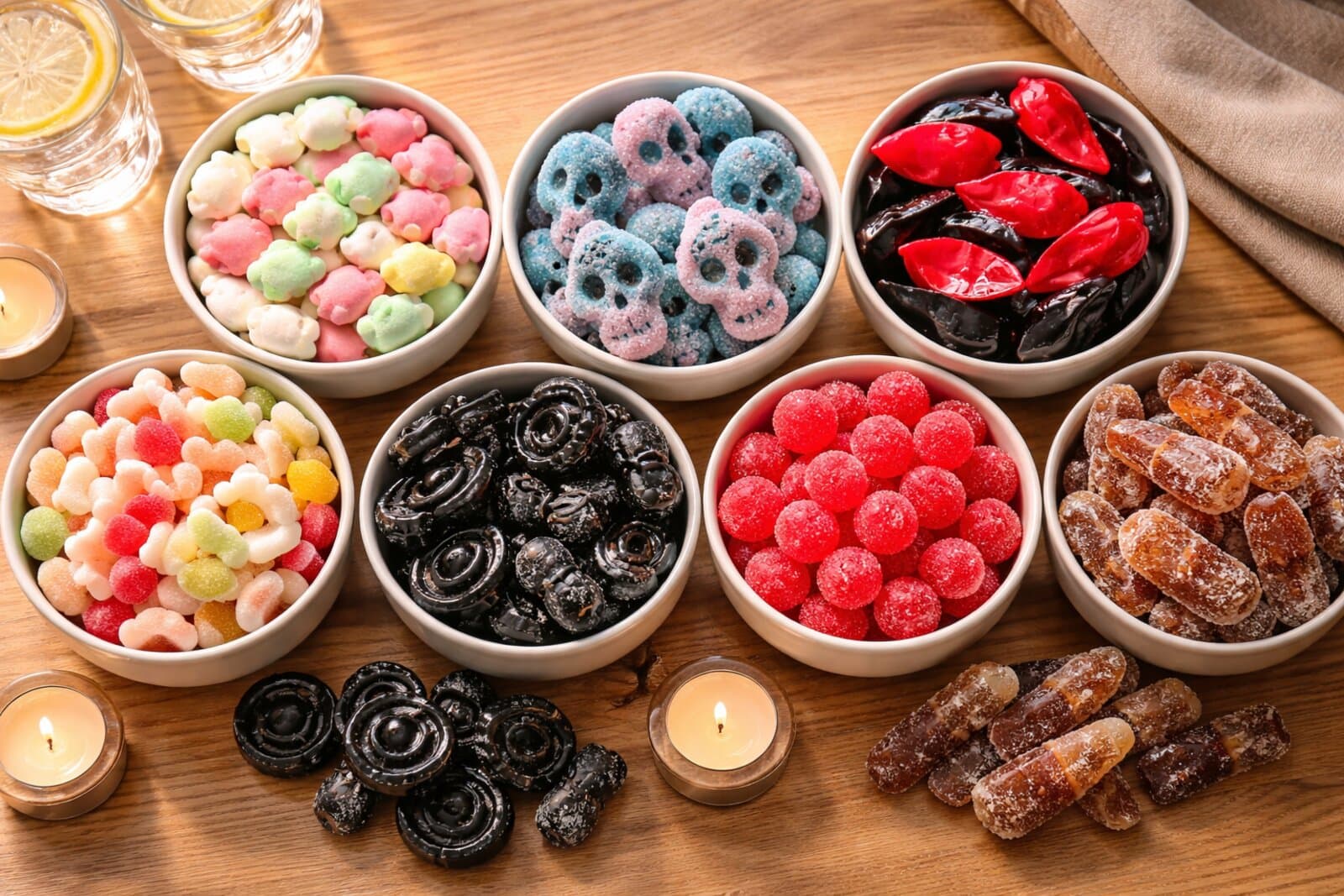
Looking for candy without artificial dyes but don't know where to start? This guide organizes every major dye-free candy brand by category — gummies, chocolate, sour, licorice, and more — so you can find exactly what you're craving. Updated for 2026 with every major brand transition and new launch.
Quick Navigation
Jump to the category you're craving: Gummies · Chocolate · Sour Candy · Licorice · Hard Candy & Lollipops · Swedish Candy · Big Brands Going Dye-Free in 2026
Why This Guide Is Different
Most "dye-free candy" lists dump 50 brands into a single page and call it a day. That's not helpful when you're standing in a store craving sour gummies and need to know which specific brands in that category are actually dye-free.
This guide is organized by candy type. Whether you want gummies, chocolate, sour candy, or something else entirely, you'll find the best dye-free options in that exact category — with honest notes on taste, availability, and price. We also highlight Swedish candy brands that have been naturally colored for decades, long before the 2026 FDA dye ban made it trendy.
What "Dye-Free" Actually Means
Before diving in, let's be precise about what we mean by dye-free candy. Truly dye-free candy contains zero FD&C synthetic color additives — that means no Red 40, Yellow 5, Yellow 6, Blue 1, Blue 2, or Green 3. These are the petroleum-derived dyes that the FDA is phasing out through 2027.
Instead, dye-free brands use natural color sources:
- Fruit and vegetable juices — beetroot, black carrot, elderberry, purple sweet potato
- Plant extracts — turmeric (yellow), spirulina (blue-green), annatto (orange), chlorophyll (green)
- Mineral pigments — titanium dioxide (white, though increasingly avoided)
- Caramel color — from heated sugar, used for brown tones
Some brands market as "no artificial colors" but still use processed color additives that fall in a gray area. In this guide, every brand listed uses genuinely natural coloring methods.
🟢 Dye-Free Gummies
Gummies are the biggest category in dye-free candy, and the quality has improved dramatically. Here are the best options ranked by taste and availability.
Top Picks: Dye-Free Gummy Brands
1. BUBS (Sweden) — Best Overall Gummies
Price: $$$ | Availability: Online, specialty stores
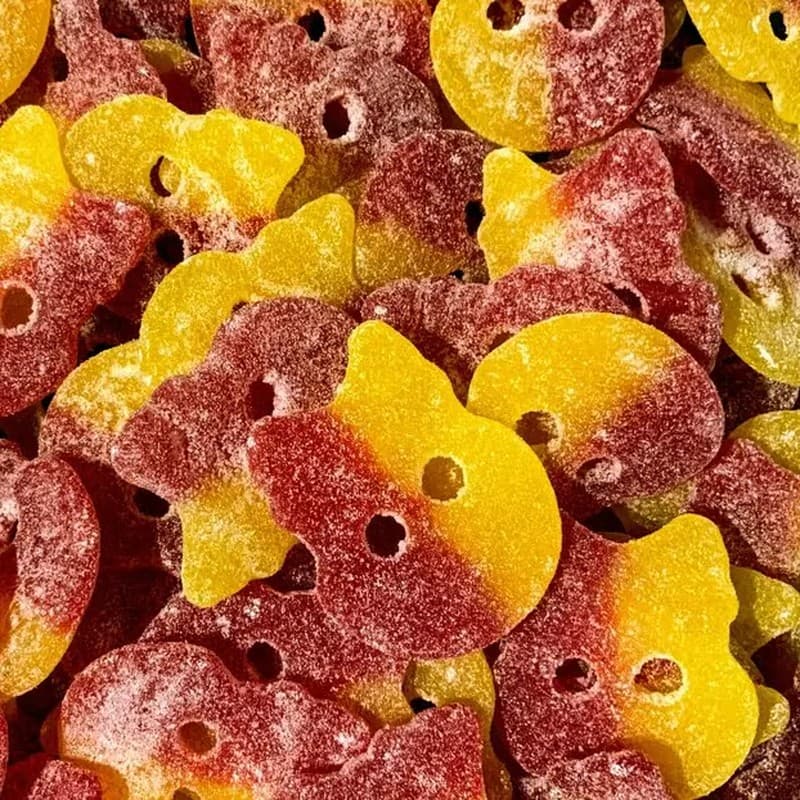
BUBS has been making naturally colored gummies in Sweden since the 1990s. Their colors come from spirulina, beetroot juice, carrot concentrate, and curcumin — no synthetic dyes, ever. The texture is distinctly different from American gummies: softer, more flavorful, and less rubbery. Try BUBS Sour Skulls if you want the candy that went viral on TikTok, or their Watermelon Skulls for something milder.
Best for: People who want premium-quality gummies with genuine fruit flavor
2. Smart Sweets — Best Low-Sugar Option
Price: $$ | Availability: Widely available (Target, Whole Foods, CVS)
Smart Sweets uses natural colors from fruit and vegetable juice concentrates across their entire line — gummy bears, sour gummies, Swedish Fish alternatives, and more. They're also low-sugar (3g per bag), which makes them popular with parents. The texture is slightly different from traditional gummies, a bit firmer, but the flavors are solid.
Best for: Low-sugar households, widely available in major retailers
3. YumEarth — Best for Kids
Price: $$ | Availability: Widely available (grocery stores, Amazon)
YumEarth was one of the first brands to commit to organic, dye-free candy across their entire line. Their gummy bears, fruit snacks, and gummy worms use colors from fruit and vegetable concentrates. They're also free from the top 8 allergens, making them a safe choice for school snacks and party bags.
Best for: Kids, school-safe snacks, allergy-conscious families
4. Black Forest Organic — Best Grocery Store Option
Price: $ | Availability: Most grocery stores
Black Forest's organic line uses juice from real fruit for color. Their organic gummy bears are widely available and affordable — you can find them at most major grocery chains. The taste is good (not great), but the price-to-quality ratio makes them an easy everyday choice.
Best for: Budget-friendly everyday gummies
5. Wholesome — Best Organic Gummies
Price: $$ | Availability: Whole Foods, natural grocery stores
Wholesome makes organic dye-free gummy bears, gummy worms, and seasonal shapes using fruit and vegetable juices for color. Their texture is closer to European-style gummies — softer and less chewy than American brands. The organic certification and Fair Trade sourcing appeal to conscious consumers.
Best for: Organic certification matters to you
6. Surf Sweets — Best Texture
Price: $$ | Availability: Natural grocery stores, online
Made by the same company as Wholesome, Surf Sweets has a slightly different formulation that produces a texture closer to traditional gummy candy. Their sour worms and gummy bears use organic fruit juice for color and have a satisfying chew that some of the healthier brands lack.
Best for: Closest texture to conventional gummies
🍫 Dye-Free Chocolate
Good news: most plain chocolate is already dye-free. The problems start with candy-coated chocolate (M&M's, Reese's Pieces) and filled chocolates with colored coatings. Here's what to look for.
Top Picks: Dye-Free Chocolate Brands
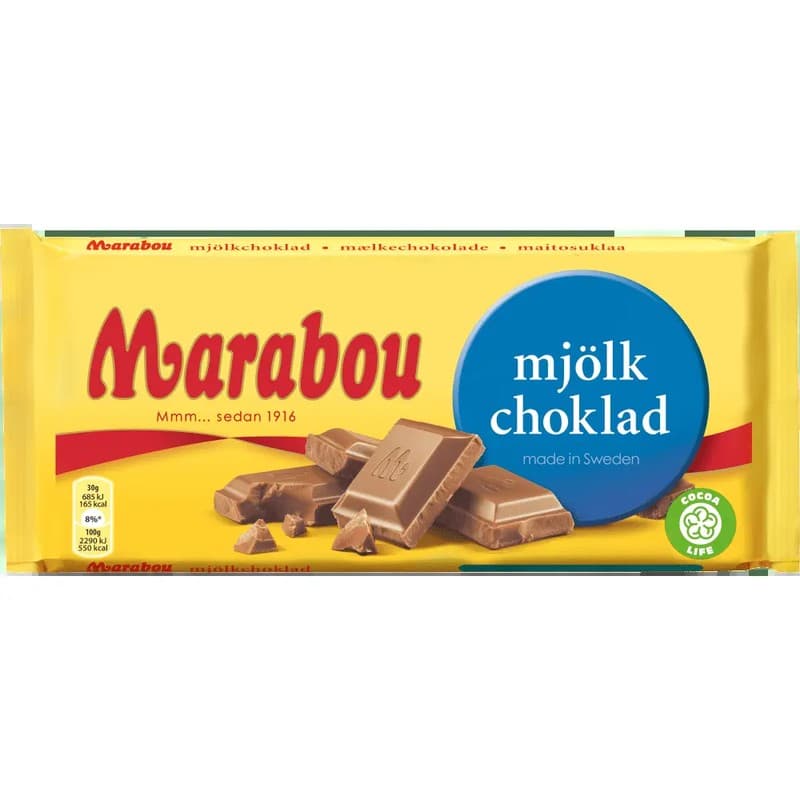
1. Marabou (Sweden) — Best Milk Chocolate
Marabou makes what many consider the best milk chocolate in the world. Their Mjölkchoklad bar uses real cocoa butter (not vegetable oils like many American brands) and has never contained artificial dyes. The creamy, rich flavor puts most American chocolate to shame. Available through Swedish candy importers and specialty stores.
Best for: Chocolate purists who want the best milk chocolate available
2. Unreal Candy — Best American Chocolate
Price: $$ | Availability: Target, Whole Foods, grocery stores
Unreal makes dye-free versions of classic American chocolate candy: chocolate gems (M&M's alternative), peanut butter cups, and chocolate bars. No artificial colors, flavors, or preservatives. The chocolate quality is noticeably better than the brands they're replacing, and they're widely available.
Best for: Replacing M&M's and Reese's with a dye-free version
3. Hu Kitchen — Best Premium Chocolate
Price: $$$ | Availability: Whole Foods, specialty stores
Hu makes "no artificial anything" chocolate — no dyes, no refined sugar, no emulsifiers. Their bars and chocolate-covered snacks use minimal ingredients and taste incredible. The price is premium, but the ingredient quality justifies it for people who care about clean labels.
Best for: Clean-label enthusiasts willing to pay premium
4. Justin's — Best Peanut Butter Cups
Price: $$ | Availability: Widely available
Justin's organic peanut butter cups use no artificial colors and taste better than Reese's (fight us). The chocolate is darker and richer, the peanut butter filling is creamier, and they come in regular, dark, and white chocolate varieties.
Best for: Peanut butter cup lovers
5. Fazer (Finland) — Best European Chocolate
Fazer's Karl Fazer Blue bar is Finland's most famous chocolate and has never used artificial dyes. Like Marabou, it uses real cocoa butter and real vanilla, producing a distinctly creamy and complex flavor. Available through Nordic food importers.
Best for: European chocolate fans, gift-giving
🍋 Dye-Free Sour Candy
Sour candy is where the dye-free transition has been most dramatic — traditional sour candy like Sour Patch Kids and Warheads rely heavily on artificial colors. Here are the best natural alternatives.
Top Picks: Dye-Free Sour Brands
1. BUBS Sour Skulls (Sweden) — Best Sour Candy Period
BUBS Sour Skulls are the reason Swedish candy went viral on TikTok. The sour coating is intense — more mouth-puckering than Sour Patch Kids — and the gummy underneath is soft and flavorful. All colors come from natural sources: spirulina, beetroot, black carrot, and curcumin. No synthetic dyes have ever been used. If you only try one dye-free sour candy, make it this one.
Best for: Sour candy enthusiasts, TikTok candy fans
2. Smart Sweets Sour Blast Buddies — Best Low-Sugar Sour
Price: $$ | Availability: Widely available
Smart Sweets' Sour Blast Buddies are their take on Sour Patch Kids, and they're surprisingly good. Natural colors, low sugar (3g per bag), and a genuine sour-then-sweet flavor arc. The texture is different from traditional sour candy — more gummy than chewy — but the sour level is satisfying.
Best for: Sour Patch Kids replacement with low sugar
3. YumEarth Sour Twists — Best for Kids
Price: $$ | Availability: Grocery stores, Amazon
YumEarth's sour twists are mildly sour (not face-contorting), making them perfect for kids. Natural colors from fruit juice, top-8-allergen-free, and individually wrapped for convenience. The watermelon and strawberry flavors are favorites.
Best for: Kids, lunchbox snacks
4. Surf Sweets Sour Worms — Best Texture
Price: $$ | Availability: Natural grocery stores
If you miss the texture of traditional sour gummy worms, Surf Sweets comes closest. Organic fruit juice for color, a satisfying chewy texture, and a good sour coating that doesn't disappear in 2 seconds. The dual-flavor format (two colors per worm) works well.
Best for: Traditional sour worm texture
⬛ Dye-Free Licorice
Most authentic licorice is already dye-free — real licorice root extract is naturally dark. The problems come from "licorice-style" candy (like Red Vines and Twizzlers) that are basically flavored sugar tubes with artificial color.
Top Picks: Dye-Free Licorice Brands
1. Malaco (Sweden) — Best Authentic Licorice
Malaco makes real licorice with real licorice root extract and natural coloring. Their range spans from mild sweet licorice to extreme salmiak that'll test your limits. If you want to understand what licorice actually tastes like (hint: not like Twizzlers), start with Malaco. See our complete Swedish licorice guide for intensity ratings.
Best for: Authentic licorice lovers
2. American Licorice Company — Best American Option
Price: $ | Availability: Widely available
American Licorice Company offers a dye-free line that includes twists and bites without synthetic colors. They use vegetable-based colors for their fruity varieties. Not as complex as Scandinavian licorice, but much more accessible at mainstream retailers.
Best for: Traditional American licorice taste, dye-free
3. Panda Licorice (Finland) — Best Natural Licorice
Price: $$ | Availability: Natural grocery stores, Amazon
Panda makes soft licorice using only licorice root, wheat flour, sugar, and molasses — four ingredients total. No artificial anything. The texture is softer and more delicate than American licorice, with a genuine licorice flavor that's mild and approachable.
Best for: Minimal ingredients, gentle licorice flavor
🍭 Dye-Free Hard Candy & Lollipops
1. YumEarth Lollipops — Best Lollipops
Price: $ | Availability: Everywhere
YumEarth lollipops are the gold standard of dye-free hard candy. Organic, naturally colored with fruit juice, and available in huge variety packs. Flavors like pomegranate, watermelon, and mango are standouts. These are the go-to for Halloween, birthday parties, and doctor's offices.
Best for: Parties, Halloween, everyday lollipops
2. Zollipops — Best for Dental Health
Price: $$ | Availability: Amazon, Whole Foods
Zollipops are sugar-free, dye-free lollipops sweetened with xylitol and erythritol. They're marketed as "clean teeth candy" because xylitol actually helps prevent cavities. Natural colors, no artificial flavors, and dentist-recommended.
Best for: Sugar-free, dental-conscious families
3. Dr. John's Candies — Best Sugar-Free Hard Candy
Price: $$ | Availability: Online, specialty stores
Dr. John's makes sugar-free hard candies and lollipops colored with natural sources. Wide flavor variety including butterscotch, cinnamon, and fruit flavors. Popular with diabetics and people avoiding sugar.
Best for: Sugar-free hard candy variety
🇸🇪 Swedish Candy: Dye-Free Before It Was a Trend
Here's something most dye-free guides miss: Swedish candy has been naturally colored for decades. While American candy companies scramble to reformulate, Swedish brands like BUBS, Malaco, and Cloetta were already using beetroot, spirulina, and carrot extract long before the FDA got involved.
This isn't marketing spin — it's a fundamental difference in how Scandinavian countries regulate food. The EU has required warning labels on artificial dyes since 2010, which pushed most European candy makers to switch to natural colors years ago. Sweden went even further, with consumer culture that actively rejects artificial additives.
If you're looking for dye-free candy, Swedish candy is the easiest shortcut — nearly everything from major Swedish brands is already naturally colored.
Best Swedish Dye-Free Candy to Start With
- BUBS Sour Skulls — Sour gummies, viral on TikTok, naturally colored with spirulina and beetroot
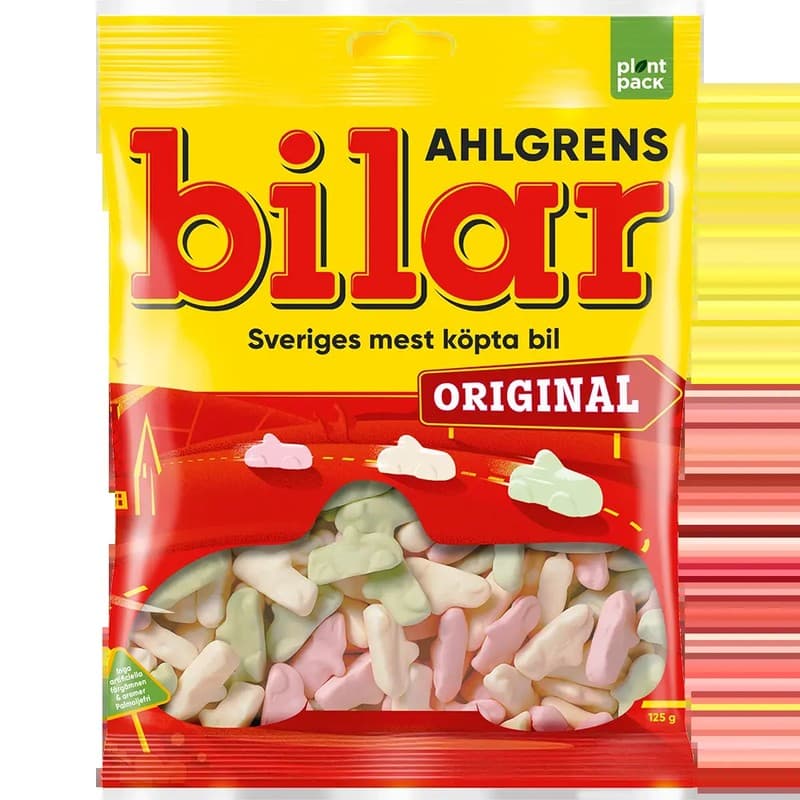
- Ahlgrens Bilar — Marshmallow cars, Sweden's #1 candy, colored with plant extracts
- Marabou Mjölkchoklad — Creamy milk chocolate, no dyes needed
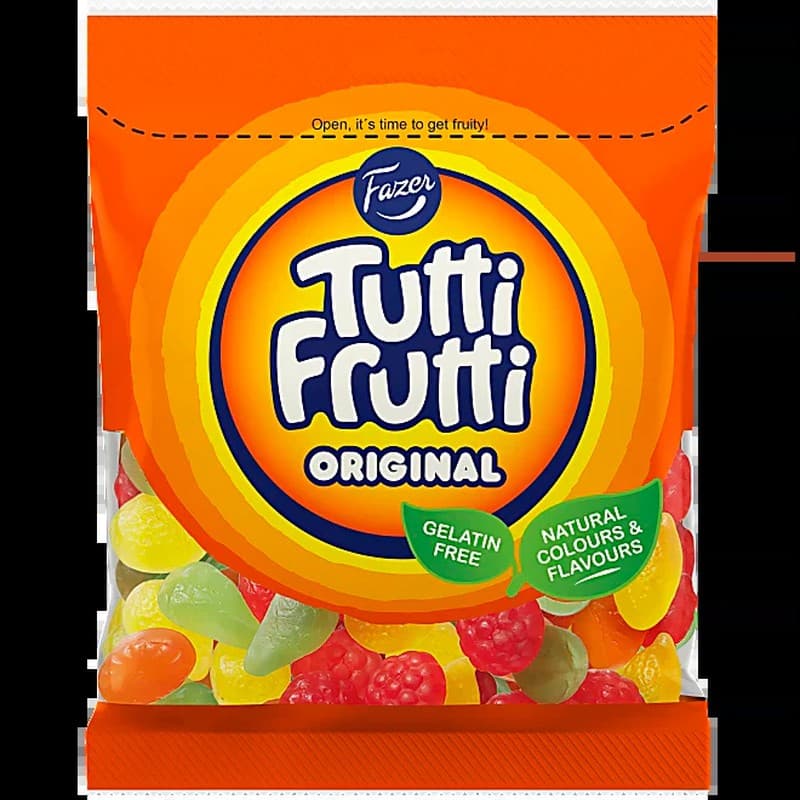
- Tutti Frutti — Classic fruit gummies, colored with fruit and vegetable concentrates
- Djungelvrål — Salty licorice for the adventurous, naturally dark
Explore our full Swedish candy collection or read What Is Swedish Candy? to learn more about why Swedish candy is made differently.
Big Brands Going Dye-Free in 2026
The biggest candy news of 2026 is that major American brands are finally removing synthetic dyes. Here's what's confirmed:
Mars Wrigley
Mars announced that M&M's Chocolate, Skittles Original, Extra Gum Spearmint, and Starburst Original will be available without FD&C colors starting in 2026. Important detail: the original dyed versions will still be sold alongside the new versions, so check the packaging carefully.
General Mills
General Mills is removing synthetic dyes from candy products including Fruit Roll-Ups and Fruit Gushers. Transitional products are hitting shelves throughout 2026.
Kraft Heinz
Announced dye removal plans in June 2025, affecting products across their portfolio.
The Hershey Company
Hershey announced dye reduction plans for select products, though the timeline is less aggressive than Mars.
PepsiCo (Frito-Lay)
Pledged to reduce synthetic dyes across snack brands, affecting candy-adjacent products.
⚠️ "Dye-Free Versions" vs. "Fully Reformulated"
Most big brands are releasing dye-free versions alongside their original products — not replacing them entirely. You'll need to look for specific packaging (usually labeled "no artificial colors" or "made with natural flavors") to get the dye-free version. Don't assume the standard package has changed.
How to Read Labels Like a Pro
The fastest way to identify dye-free candy is to check the ingredient list for these red flags:
Avoid These (Synthetic Dyes)
- Red 40 (Allura Red) — The most common, found in nearly everything red, pink, or orange
- Yellow 5 (Tartrazine) — Common in yellow and green candy
- Yellow 6 (Sunset Yellow) — Orange and yellow tones
- Blue 1 (Brilliant Blue) — Blue and green candy
- Blue 2 (Indigo Carmine) — Used in purple and blue candies
- Green 3 (Fast Green) — Less common but still used
These Are Natural (Safe)
- Fruit juice (for color), vegetable juice (for color)
- Beetroot extract / beet juice, turmeric / curcumin
- Spirulina extract, annatto, beta-carotene
- Black carrot juice, elderberry juice, purple sweet potato
- Caramel color, chlorophyll
For a deeper dive into the regulatory differences between Swedish and American candy, read our guide to candy without artificial dyes and the Swedish vs. American food dye comparison.
Where to Buy Dye-Free Candy
Mainstream Retailers
Target, Walmart, CVS, Walgreens — Increasingly stocking Smart Sweets, YumEarth, Black Forest Organic, and Unreal. Look for a "natural" or "better-for-you" candy section, often separate from the main candy aisle.
Natural Grocery Stores
Whole Foods, Sprouts, Natural Grocers, Trader Joe's — Best in-store selection. Nearly all candy at Whole Foods is dye-free. Trader Joe's has excellent house-brand gummies and chocolates without synthetic colors.
Online Retailers
Amazon, iHerb, Thrive Market — Widest selection and often better prices on bulk purchases. Amazon has most brands listed in this guide available with Prime shipping.
Swedish Candy Specifically
For Swedish brands like BUBS, Malaco, and Marabou, check our where to buy Swedish candy guide for recommended importers and online shops that ship to the US.
Shop authentic Swedish candy from trusted retailers with fast US shipping.
Dye-Free Candy FAQ
Is dye-free candy healthier?
Dye-free candy is still candy — it has sugar, calories, and isn't health food. The benefit is avoiding synthetic dyes that some studies link to behavioral issues in children and that the FDA is phasing out. Natural colors don't make candy nutritious, but they do remove one category of unnecessary additives.
Does dye-free candy taste different?
Sometimes, yes. Natural colors can slightly affect flavor (turmeric has a faint earthiness, beetroot is mildly sweet), but in practice most people can't tell the difference in finished candy. Swedish candy brands have been using natural colors for years with no taste complaints.
Why is dye-free candy more expensive?
Natural color sources cost more than synthetic dyes, and dye-free brands tend to use higher-quality ingredients overall. As demand increases and more brands switch (especially the big brands in 2026), prices should come down. Swedish candy is more expensive mainly due to import costs, not ingredient costs.
Is all European candy dye-free?
Not all, but most major European candy brands use natural colors because the EU requires warning labels on products containing synthetic dyes (since 2010). This regulation made it commercially unattractive to use artificial dyes in Europe, pushing most manufacturers to switch. See our full comparison.
What about Red 40 specifically?
Red 40 (Allura Red) is the single most common artificial dye in American candy. It's being phased out along with other FD&C dyes. For a specific list of candies that contain Red 40 and their dye-free alternatives, see our Red 40 in candy guide.
Health & Nutrition Contributor
Registered nurse covering health, ingredients, and food safety for SwedishCrave — facts over fear-mongering.