Swedish candy doesn’t taste like American candy, and it isn’t supposed to. Less sweet, more flavor-forward, chewier, and built on six distinct flavor pillars — from real licorice root to salty salmiak to cream-rich milk chocolate. Here is the plain-English guide to what Swedish candy actually tastes like, why it’s different, and where to start if you’ve never tried it.
Quick Answer: What Does Swedish Candy Taste Like?
- Less sweet, more flavor-forward than American candy — real fruit, real licorice root, real chocolate
- Six flavor pillars: salty licorice (salmiak), sour-sweet fruit, rich milk chocolate, dark licorice, herbal mint, and salty-sweet caramels
- Textures are chewier — Swedish gummies bounce back; American gummies are softer and stickier
- No artificial red dyes (banned in EU since decades ago) — colors come from fruit and vegetable sources
- Beginner-friendly varieties exist — start with BUBS Sour Skulls or Marabou milk chocolate before trying the hard stuff
The Short Answer in One Paragraph
Swedish candy tastes less sweet and more flavor-forward than American candy. The sour candies are genuinely sour, not sugar with citric acid sprinkled on top. The licorice is real licorice root, often paired with salt (salmiak) rather than anise. The chocolate is richer and creamier because Swedish recipes use more cocoa butter. And because the EU bans many artificial food dyes the US still allows, Swedish candy colors come from fruit and vegetable sources — which changes both how it looks and, subtly, how it tastes.
The short version: if American candy tastes like sugar with flavors added, Swedish candy tastes like flavors with just enough sugar to hold them together. That's not a small difference. It's the reason Swedish candy broke out on TikTok in 2023 — and why most Americans who try it either love it instantly or need three or four attempts before it clicks.
The Six Flavor Pillars of Swedish Candy
Every Swedish candy you'll encounter falls into one of six main flavor profiles. If you understand these six, you can walk into any Scandinavian candy store and immediately know what you're looking at.
1. Salmiak (Salty Licorice)
The most polarizing flavor in the entire category. Salmiak is licorice with ammonium chloride added, which creates a sharp, salty, slightly metallic taste that most Americans find shocking on first try. It's not table salt — it's a completely different chemical sensation that builds the longer it stays on your tongue. Scandinavians grew up eating it; most everyone else needs time. Full explainer: what is salmiak?
2. Sour-Sweet Fruit Gummies
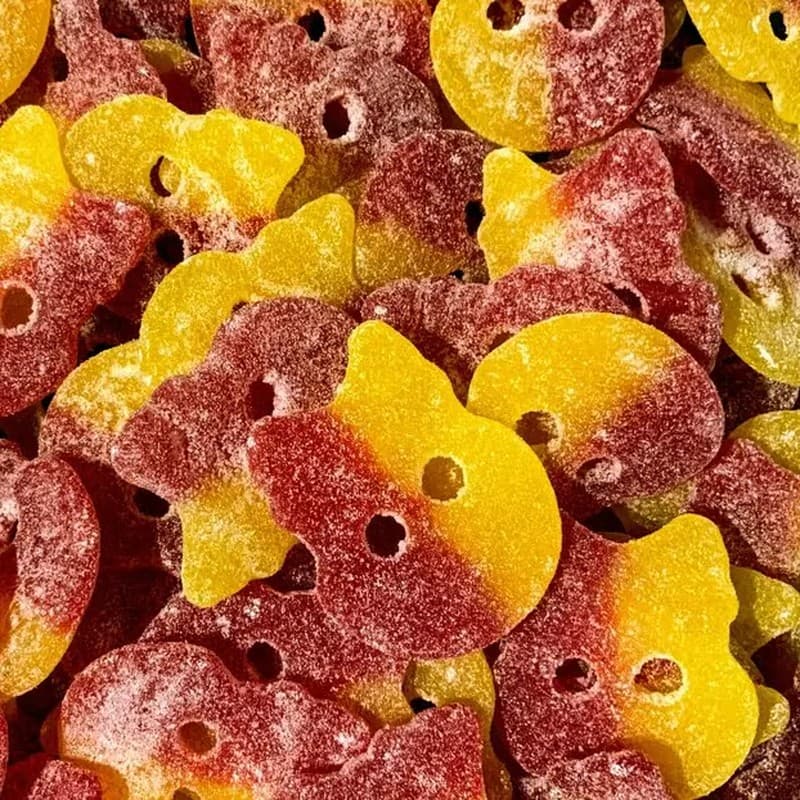
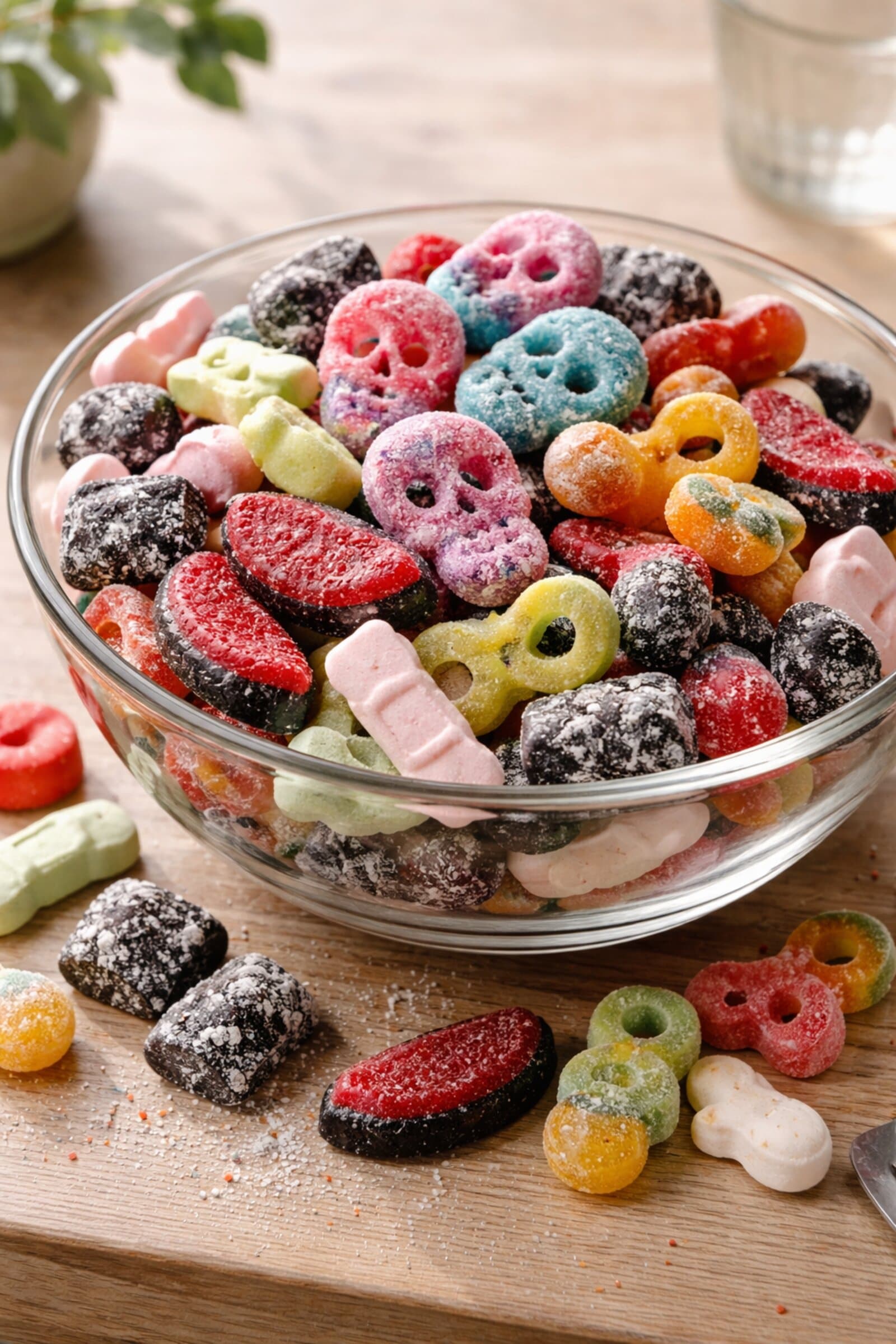
Swedish sour candy goes further than most American sours. The sourness is sharper and lingers longer because Swedish recipes use more actual citric acid and less sugar masking. BUBS dominates this category — their sour skulls and raspberry-licorice ovals are the products driving most of Swedish candy's viral TikTok moments.
3. Rich Milk Chocolate
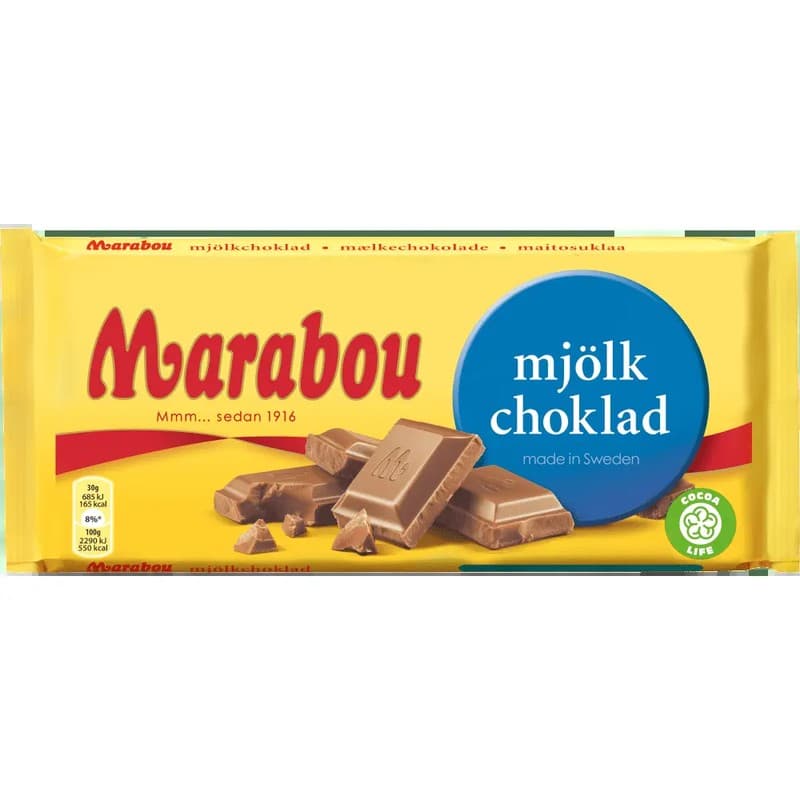
Swedish milk chocolate — especially Marabou's Mjölkchoklad — has a higher cocoa butter content than most American milk chocolate, which makes it creamier and melts more smoothly. It's not more chocolate-flavored (cocoa content is similar); it just feels richer in the mouth.
4. Dark Licorice (Real Root, Not Anise)
Most American "black licorice" is flavored with anise oil, not actual licorice root. Swedish dark licorice uses real glycyrrhiza glabra extract, which has a more herbal, slightly bitter edge — less candy-sweet, more grown-up. Lakerol and Haupt Lakrits are the premium expressions of this.
5. Herbal Mint and Menthol
Swedish pastille candies (pastiller) often use menthol, eucalyptus, and herbal extracts — closer to what Americans would categorize as a "cough drop" than a candy. But in Sweden these are everyday sweets, not medicine. Expect more herbal complexity and less pure sweetness.
6. Salty-Sweet Caramel and Toffee
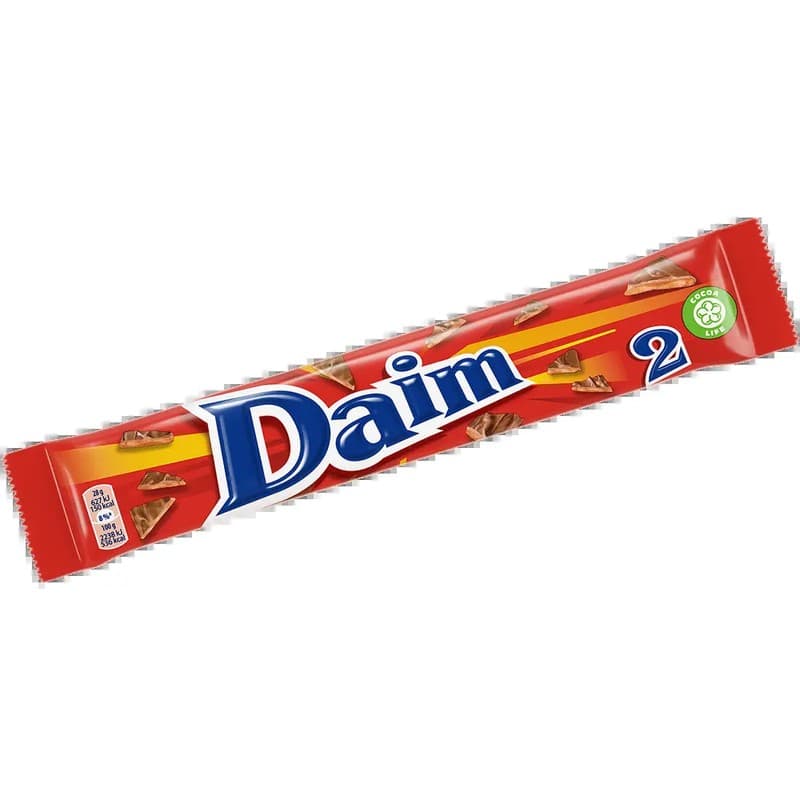
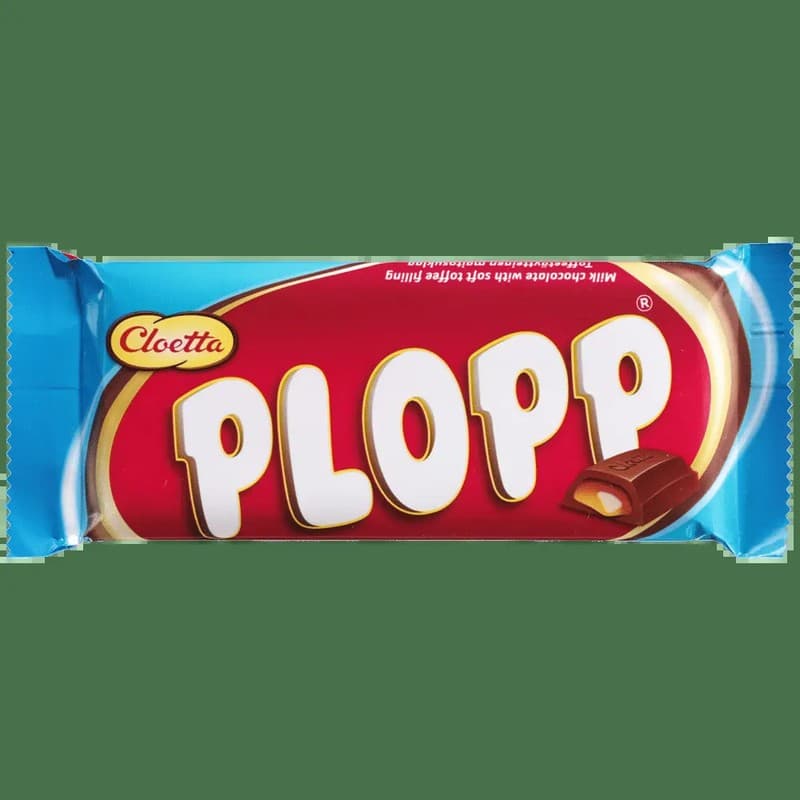
Swedish caramels (kola) often include a pinch of salt that's more pronounced than American salted caramels. Skipper Pipes (banana-flavored marshmallow) and Plopp (soft caramel bar) are crowd-pleasers in this category. Daim — a brittle almond-caramel filling in milk chocolate — is the export hit.
Why Swedish Candy Tastes Different From American Candy
Four concrete reasons, none of them mystical.
Different Ingredient Rules
The EU bans or restricts many artificial colors that remain standard in American candy. Red No. 3 was only banned in the US in January 2025 — it had been banned in the EU for decades. Yellow No. 5 (tartrazine) requires a warning label in the EU but not the US. The practical result: Swedish candy colors are duller than American equivalents (natural fruit and vegetable extracts instead of synthetic dyes), and some flavor compounds you find in American candy aren't present in Swedish versions. If you've ever noticed that American gummy bears look almost fluorescent compared to Swedish ones, that's why.
Less Sugar, More Flavor Load
Swedish candy isn't "healthier" in any meaningful sense — sugar content per serving is broadly similar. But the ratio of sugar to flavor compounds tilts differently. American candy typically front-loads sweetness; Swedish candy front-loads flavor (fruit, salt, licorice, acid) and uses sugar as a carrier. The first bite of a BUBS Sour Skull hits with citric acid before the sweetness arrives. A Sour Patch Kid does the opposite.
Real Licorice Root
This one is specific to the licorice category, but it shifts the entire flavor conversation. Most American "licorice" candy (Twizzlers being the archetype) is anise-flavored — a distant chemical cousin to real licorice but not the same plant. Swedish licorice uses actual glycyrrhiza glabra root extract, which is more medicinal, more herbal, and considerably stronger. If you grew up thinking you hated licorice because Twizzlers, try a Swedish version. You might have been rejecting anise this whole time.
Chewier Textures
Swedish gummy candy uses more gelatin per unit than most American versions. The result is a firmer, bouncier texture that takes longer to chew through. Americans trying Swedish gummies for the first time often describe them as "dense" or "workout-y." That's the texture Swedes prefer — it's one of the main reasons Swedish candy beats American candy in blind taste tests among first-time samplers.
Flavor by Category: What to Expect From Each Type
Quick tour through the categories you'll see in a lösgodis pick-and-mix or a Swedish candy starter box.
Gummies (/categories/gummies)
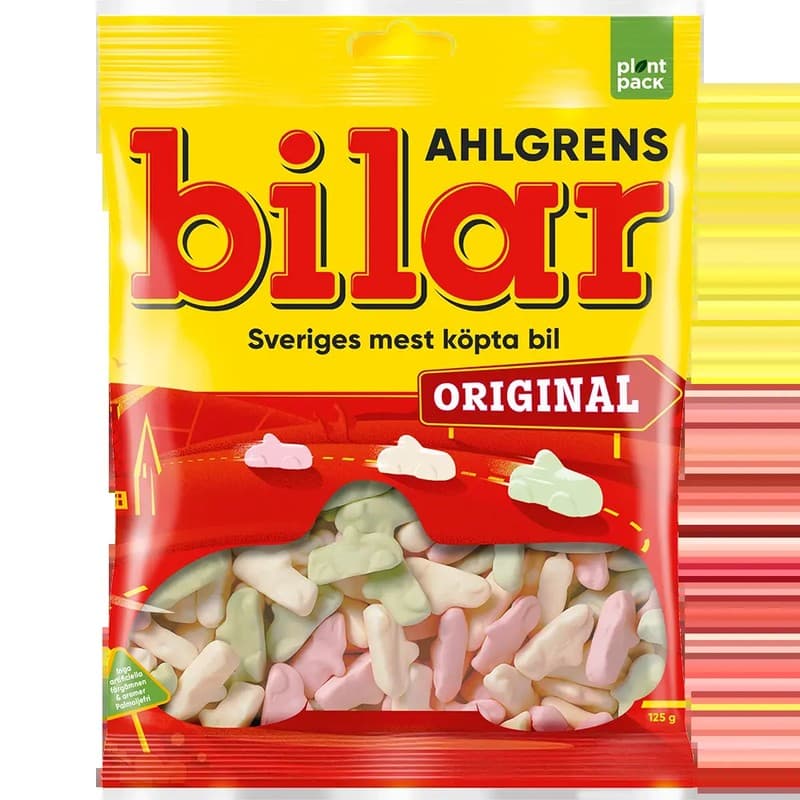
Firm, chewy, fruit-forward. The flavor load is higher than American gummies and the texture is denser. BUBS watermelon and Ahlgrens Bilar (the iconic car-shaped marshmallow gummy) are the most-traveled exports.
Sour Candy (/categories/sour)
Sharp, genuinely acidic, long finish. The sourness doesn't wash out with the first chew — it builds. Best entry point: BUBS Sour Skulls, which are intense but balanced with enough sweetness to stay approachable.
Chocolate (/categories/chocolate)
Creamy, rich, lower bitterness than Belgian or Swiss dark chocolate. Marabou's milk chocolate is the benchmark. For something distinctly Swedish, try Kexchoklad (chocolate-wafer) or Daim.
Licorice (/categories/licorice)
Herbal, sometimes salty, considerably more complex than American "black licorice." Mild varieties are approachable; the stronger ones can feel almost medicinal.
Salmiak (/categories/salmiak)
Its own category. Salty, sharp, umami. Not recommended as a starting point — see the spectrum below.
Toffee and Caramel (/categories/toffee)
Buttery, often slightly salted, usually less cloying than American caramels. Plopp and Skipper Pipes are the accessible wins.
"If You Like X, You'll Love Y": The American-to-Swedish Matchmaker
The single best way to start with Swedish candy is to match what you already enjoy to its Scandinavian counterpart. These pairings work for ~80% of first-time samplers.
- Sour Patch Kids lover? Try BUBS Sour Skulls. Same sour-sweet balance, dense chewier texture, cleaner flavor.
- Swedish Fish fan? You're already eating Swedish candy (they're a Malaco product), but the Scandinavian versions are softer and less dye-heavy. Try Malaco Gott & Blandat.
- Hershey's Milk Chocolate is your go-to? Marabou Mjölkchoklad will ruin you for anything else. Higher cocoa butter, smoother melt, less of the Hershey's "tang."
- Love Reese's? Try Daim — the almond-brittle filling in milk chocolate gives you the same sweet-nutty hit with a crunchier texture.
- Twizzlers person? This is trickier because you probably don't actually like licorice — you like anise-flavored candy. For a gentler bridge, try BUBS raspberry-licorice (the fruit softens the root).
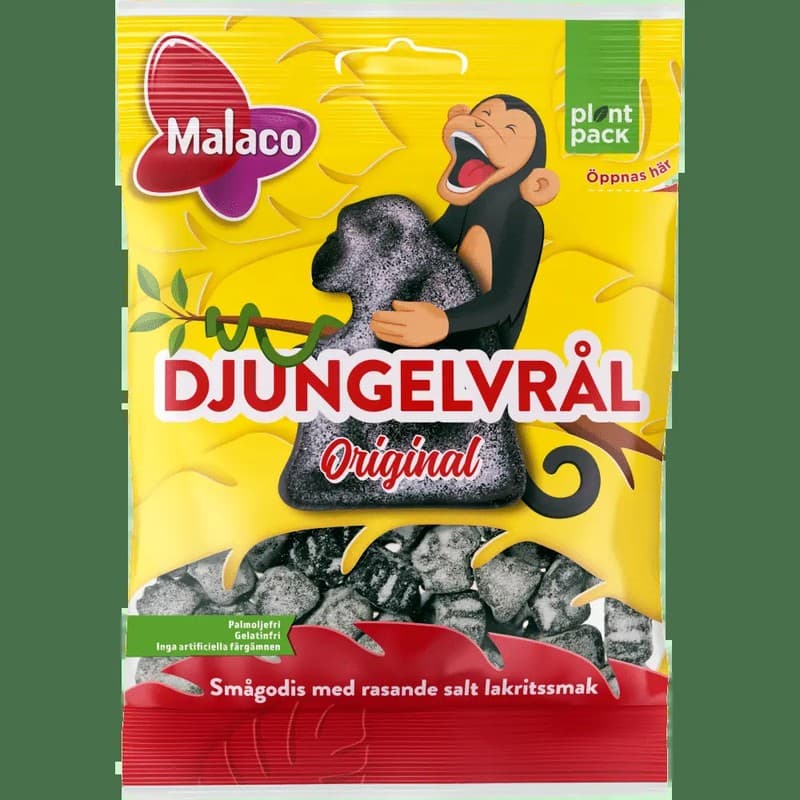
- Fan of cinnamon hots, Atomic Fireballs, or intense flavor? You're ready for Djungelvrål (extra-salty salmiak). Welcome to the deep end.
- Gummy bear purist? BUBS watermelon or foam-gummy varieties. Firmer texture, more concentrated fruit.
- Caramel candy fan (Werther's)? Plopp (soft caramel in milk chocolate) or Skipper Pipes for the salty-sweet version.
The Salmiak Spectrum: From Mild to Nuclear
Most first-time Swedish candy buyers accidentally pick up salmiak and get blasted. Don't let that be you. Salmiak exists on a spectrum, and where a variety sits determines whether it's a fun weird treat or a genuine "why would anyone eat this" moment.
The Four Salmiak Intensity Levels
- Mild (gateway): Licorice with a salty hint. Malaco's standard salmiak. You taste the licorice first, salt second. Good starting point.
- Medium (real salmiak): Salt is front and center. Licorice is the supporting note. This is what Scandinavians consider "actual" salmiak. Saltlakrits and standard Djungelvrål live here.
- Hot (strong salmiak): Turkisk Peppar territory — menthol + pepper + salmiak. Creates a burn-cool sensation that catches first-timers off guard.
- Nuclear (veterans only): Extreme salmiak that coats your tongue in salt crystals and hits with sharp umami. Eating more than three pieces is a challenge. These are for people who already love salmiak.
Rule of thumb for beginners: start at level 1. If you enjoy it after a week of trying it casually, move to level 2. Most people who don't like salmiak never get past level 2 — and that's completely fine. Not everyone's brain codes salty licorice as "food," and that's not a personal failing.
Tips for Your First Swedish Candy Experience
If you've never tried Swedish candy and you want to actually enjoy the first session instead of gag-reflex through it, here's what a decade of introducing Americans to it has taught me.
- Start with sour or sweet gummies, not licorice. BUBS sour skulls or watermelon, Ahlgrens Bilar, or a fruit mix are high-hit-rate intros. Save licorice and salmiak for round two.
- Eat one piece at a time. Swedish candy is flavor-dense. If you handful it like American candy, you'll miss what makes each piece distinct.
- Chew, don't bite through. The texture is part of the experience. Swedish gummies release flavor as you chew; a fast bite-and-swallow misses most of it.
- Have water on hand, not soda. Soda flattens the palate. Water resets it between pieces.
- Don't start with a salmiak variety pack. Seriously. Every American who tries a "Swedish candy sampler" from Amazon that's 40% salmiak ends up on TikTok saying Swedish candy is terrible. Pick your intro flavor category and stick with it for the first bag.
- If something tastes wrong on the first try, wait a week and retry. Salmiak especially rewards repeat exposure. Taste preferences are learned, not fixed.
Where to actually buy a good first bag: see our best Swedish candy to try first picks, or skip to where to buy Swedish candy online in the US for US-shipping-friendly stores. If you're in a specific city, check our Swedish candy store locator for physical shops.
Frequently Asked Questions
Is Swedish candy sour or sweet?
Both, plus salty and herbal. The sour varieties (mostly BUBS gummies) are genuinely sour — sharper and longer-lasting than American sours — while the chocolate and caramel varieties lean sweet. What makes the whole category distinctive is that each piece tends to push one flavor dimension hard rather than blending everything into generic "candy sweetness." You'll notice this on the first bite of anything Swedish: the dominant flavor is louder than you expect.
Does Swedish candy taste better than American candy?
Better is subjective, but it tastes different in ways most people prefer once they adjust. Blind taste tests consistently show first-time samplers prefer Swedish gummies for texture (chewier, less sticky), Swedish chocolate for creaminess (more cocoa butter), and Swedish sour candy for intensity (longer-lasting sourness). The one category where Americans often prefer their own is classic milk chocolate bars — Hershey's has a distinct tang that Marabou doesn't replicate. See our full comparison in Swedish vs American candy.
What is the most popular Swedish candy flavor?
In Sweden itself, the best-selling category is chocolate (Marabou Mjölkchoklad is the #1 single product nationally). In exports to the US, BUBS sour candies lead by a wide margin — their sour skulls, raspberry-licorice ovals, and cool cola varieties are the products most associated with Swedish candy on American TikTok. Salmiak is culturally iconic but a smaller share of actual volume, even in Sweden.
Why does Swedish candy have stronger flavor than American candy?
Three reasons. First, EU ingredient regulations force Swedish candy makers to use natural fruit and vegetable extracts for color and often for flavor, which pack more flavor per unit than synthetic replacements. Second, Swedish recipes generally use more flavor compounds (real fruit acids, real licorice root, real cocoa butter) relative to the sugar ratio. Third, Swedes grow up with a palate that rewards distinct flavor — so the market selects for bolder products. American candy isn't weaker by accident; it's tuned to a different average palate.
Is Swedish licorice the same as American black licorice?
No, and the difference is significant. American "black licorice" (Twizzlers, Good & Plenty) is typically flavored with anise oil, which tastes similar to licorice but is a different plant. Swedish licorice uses real glycyrrhiza glabra root extract, which is more herbal, slightly bitter, and considerably stronger. Many Americans who think they hate licorice have actually only had anise candy — trying real Swedish licorice is a different taste experience entirely, and some licorice-haters end up converting.
What should I try first if I've never had Swedish candy?
Three reliable starting points based on flavor preference: for a sour gummy fan, BUBS Sour Skulls (sharp sour-sweet, firm texture). For a chocolate lover, a small Marabou Mjölkchoklad bar (creamier than Hershey's). For someone curious about the salty-licorice side, a mild salmiak — not Djungelvrål, not Turkisk Peppar. Avoid variety packs on your first try — they almost always include strong salmiak and can sour the whole experience. See our curated best Swedish candy for beginners list for specific products with US shipping.

Founder & Editor
Former Swedish candy & FMCG professional turned US-based founder of SwedishCrave. Built the site to fill the gap he saw when he moved stateside.