Pick and mix candy exists in both Sweden and the UK, but the experiences couldn't be more different. Swedish lösgodis is a weekly ritual with 150+ varieties in every supermarket. British pick 'n' mix is cinema and seaside nostalgia. Let's compare.
Same Concept, Completely Different Execution
The idea is identical: open bins of unwrapped candy, a scoop, a bag, and a scale. Fill your bag, weigh it, pay by weight. It exists in both Sweden and the UK, and visitors from either country to the other will nod in recognition. But the cultural role, the selection, the setting, and the emotional significance couldn't be more different.
The Swedish Way: Lösgodis
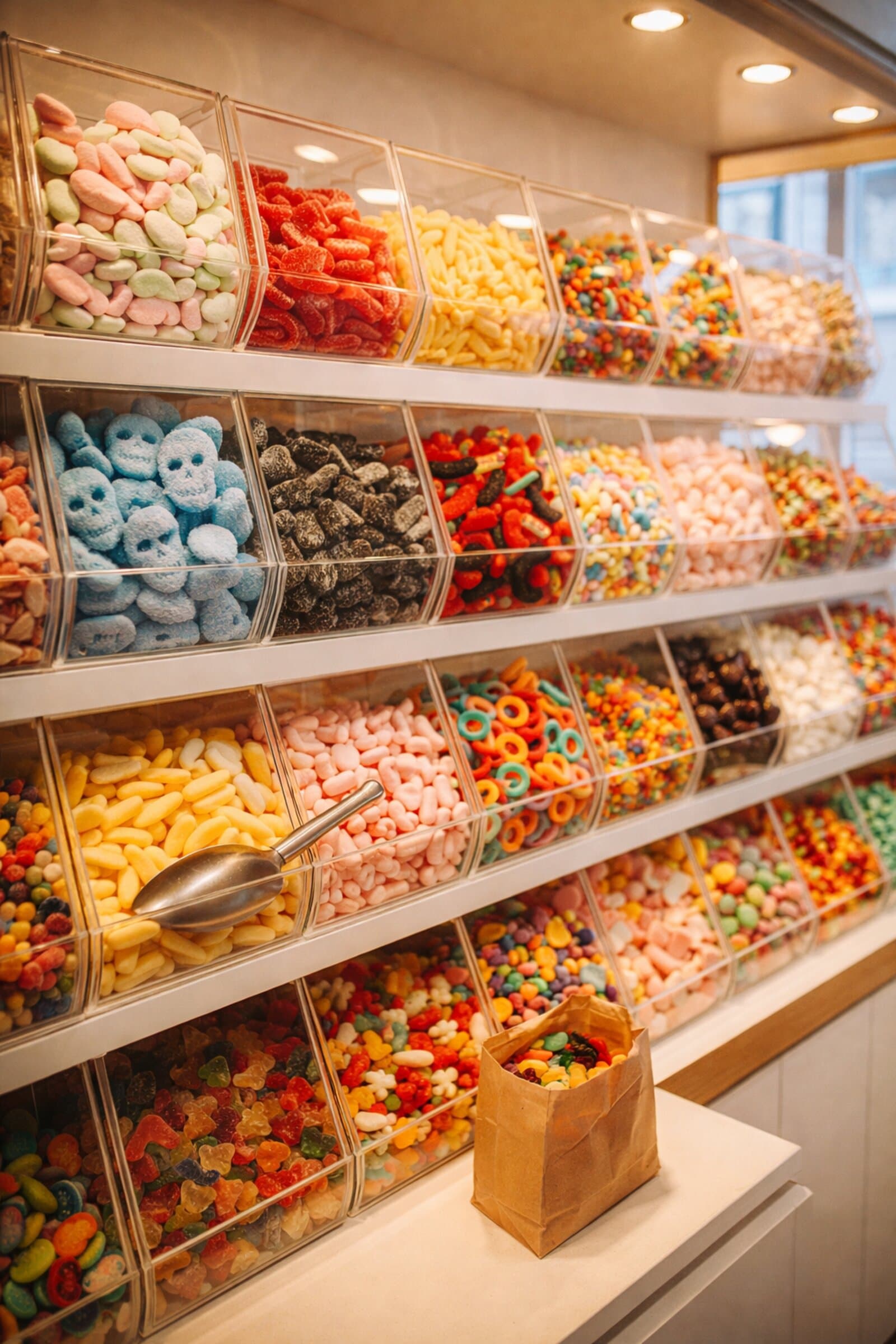
In Sweden, lösgodis ("loose candy") is infrastructure. Every supermarket — ICA, Coop, Hemköp, Willys — has a candy wall. Not a small shelf. A wall. Typically 100-200 varieties in clear plexiglass bins with individual scoops, organized by type: sour, sweet, licorice, foam, chocolate-coated, and combinations thereof. The larger ICA Maxi stores can have over 200 varieties. This is one of the first things Scandinavian expats mention missing when they move abroad.
The system was born in the 1980s when Swedish regulations first allowed self-service bulk candy. Three Finnish trade students in Stockholm pioneered the concept with a chain of pick-and-mix shops, proving that bulk candy sales worked commercially. Swedish supermarkets adopted it immediately, and within a decade the candy wall became standard grocery store infrastructure — as expected as the bread aisle or the dairy section.
The ritual happens primarily on Saturdays — lördagsgodis (Saturday candy). Families go to the store, each person fills their own bag, and candy is consumed as a weekly treat. Swedes consume an average of 16 kg of candy per person per year — up from 9-10 kg in the 1970s-80s, a 60% increase that coincides directly with the lösgodis boom. This isn't casual snacking; it's a scheduled cultural event rooted in public health recommendations from the Vipeholm experiments of the 1950s. Swedish lösgodis is the most democratic candy experience in the world: everyone picks exactly what they want, and nobody judges your choices (unless you skip the sour section entirely, in which case gentle judgment is appropriate).
What You'll Find
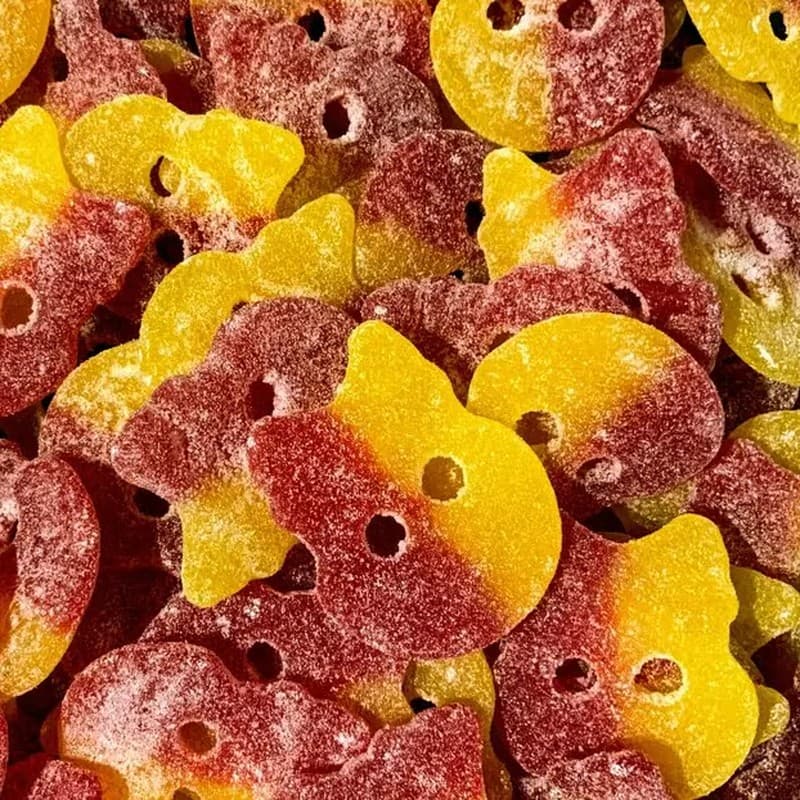
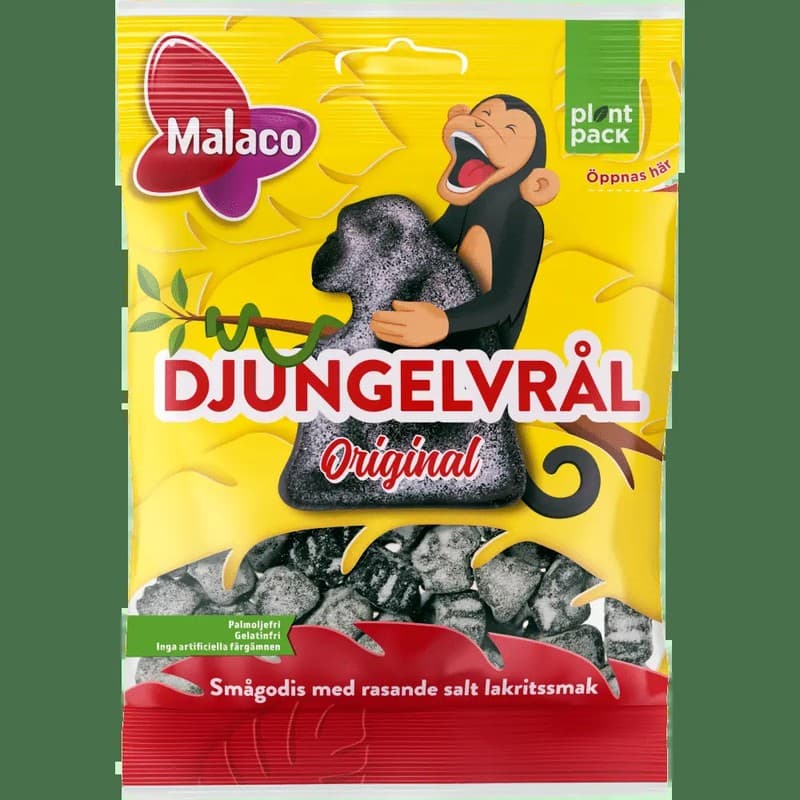
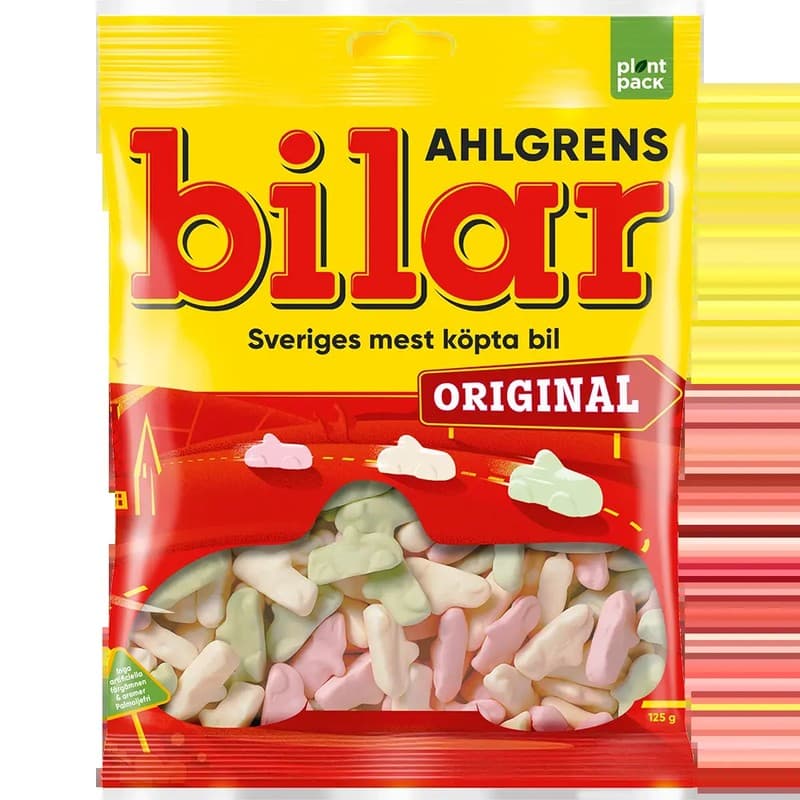
Swedish lösgodis walls feature almost exclusively Scandinavian candy: Malaco gummies and licorice (they dominate the bins), BUBS sour skulls and foam items, Ahlgrens foam candy, Cloetta chocolate-coated pieces, and dozens of licorice varieties ranging from mild soft pipes to eye-watering salmiak. Seasonal rotations bring specialty items — Christmas brings chocolate-covered marzipan, summer brings fruity novelties. The quality is consistently high because the brands supplying the bins are the same brands selling packaged candy. No generic filler candy — every bin contains a real, branded product that you could also buy in a sealed bag on the shelf next to it.
The British Way: Pick 'n' Mix
British pick 'n' mix is primarily associated with three settings: cinemas (Odeon, Cineworld, Vue), seaside towns (Brighton rock shops, Blackpool's Golden Mile), and — for an entire generation of Brits who will never stop mourning — Woolworths (closed in 2009 with 807 stores, taking the nation's pick 'n' mix infrastructure with it). The Woolworths closure was genuinely traumatic for British candy culture; it removed the single largest physical pick 'n' mix network overnight.
Today, British pick 'n' mix survives in cinemas (where a small cup costs an eye-watering £4-6), in specialty shops like Mr Simms Olde Sweet Shoppe and SoSweet, and in a handful of supermarket sections that don't match the Swedish scale. It's a nostalgic, occasional experience rather than a weekly ritual. You don't plan your Saturday around pick 'n' mix — you encounter it and think "oh, why not."
The selection is typically 30-50 varieties: Haribo gummy bears, cola bottles, fizzy belts, flying saucers (those papery UFO things filled with sherbet), jelly beans, fried eggs, fizzy strawberries, chocolate mice, white mice, and various Swizzels products. It's a broader, more eclectic mix that includes German (Haribo), American (jelly beans), and British heritage items alongside generic bulk candy. The quality varies more than Swedish lösgodis — freshness is inconsistent because turnover is lower and there's no national "candy day" driving weekly purchasing cycles.
The Key Differences
Selection
Sweden: 100-200 varieties, all Scandinavian brands, heavy on sour, licorice, and foam categories. Deep specialization.
UK: 30-50 varieties, international mix, heavy on gummies and chocolate. Broad but shallower selection.
Setting
Sweden: Every single supermarket. This is grocery infrastructure, not a novelty.
UK: Cinemas, candy shops, and seaside locations. More of a special-occasion experience.
Frequency
Sweden: Weekly ritual (Saturday candy). Built into the national schedule.
UK: Occasional treat. No fixed cultural schedule.
Pricing
Sweden: Typically 89-129 SEK/kg (~$8-12/kg). Reasonable for the quality.
UK: Varies wildly — cinema pick 'n' mix is notoriously expensive (£4-8 for a small cup). High street candy shops are more reasonable.
The Licorice Factor
Sweden: 20-30% of a typical lösgodis wall is licorice varieties. Salmiak, salt lakrits, soft licorice, hard licorice — it's a major category.
UK: Maybe 2-3 licorice options (Allsorts, torpedoes, and that's about it). Licorice is an afterthought, not a pillar.
Which Is Better?
Swedish lösgodis is objectively a better candy shopping experience — more variety, better quality, fairer prices, and a cultural framework that makes it feel meaningful rather than impulse-driven. The weekly ritual aspect adds anticipation that makes the candy taste better (psychology backs this up — delayed gratification enhances enjoyment).
British pick 'n' mix has nostalgia value that can't be replicated. If you grew up filling a bag at Woolworths before it closed, or grabbing a cup at the cinema before a film, that emotional connection is real and powerful. But as a pure candy experience, Sweden wins.
🛒 Build your own Swedish pick & mix — shop Swedish Sweets →
Frequently Asked Questions
Can I experience Swedish lösgodis in the US?
The closest experience is at Swedish candy stores like BonBon NYC, which recreate the lösgodis wall format. Some online retailers also offer "build your own mix" options. It's not quite the same as a Swedish supermarket wall, but it captures the spirit.
🛒 No candy wall near you? Order a curated BUBS mix from Mums →
Is British pick 'n' mix declining?
It's had a complicated few years. The closure of Woolworths in 2009 removed its biggest venue. Cinema pick 'n' mix has faced competition from pre-packaged snacks. But there's been a modest revival through specialty candy shops and the retro nostalgia trend.
Which country eats more candy overall?
Sweden, by a significant margin per capita. Swedes consume roughly 15-17 kg of candy per person per year, making them consistently one of the world's top candy consumers. The UK averages around 12-14 kg.

Founder & Editor
Former Swedish candy & FMCG professional turned US-based founder of SwedishCrave. Built the site to fill the gap he saw when he moved stateside.