Swedish gummies occupy a unique space in the candy world — softer than Haribo, chewier than American gummies, and made with ingredients you can actually pronounce. Here's everything you need to know about the category that put Swedish candy on the map.
What Makes Swedish Gummies Different
Swedish gummies have earned a devoted following among American candy enthusiasts, and for good reason. They represent a fundamentally different approach to confectionery than what most Americans grew up with. The distinction goes beyond flavor preference — it's rooted in manufacturing philosophy, regulatory standards, and ingredient sourcing that separates Scandinavian candy from its American counterparts.
The most immediately noticeable difference is texture. While American gummies tend toward a uniform, rubbery consistency, Swedish gummies showcase a remarkable range. Some are firm and chewy, requiring genuine effort to bite through. Others are softer, almost melting on the tongue. This variation is intentional, reflecting decades of refinement in Swedish candy manufacturing.
The ingredient story is equally important. Swedish gummies rely heavily on potato starch as a primary gelling agent, particularly in premium brands. This creates a different mouthfeel than gelatin, which dominates American gummy production. Many Swedish gummies, especially from BUBS, are entirely vegan, using pectin and starch instead of animal-derived gelatin.
Color represents another critical distinction. The EU has stricter regulations on artificial colorants than the US. Swedish manufacturers can't rely on synthetic dyes like Red 40, Yellow 5, or Yellow 6. Instead, they use natural colorants: spirulina for blues and greens, beetroot juice for reds and purples, carrot extract for yellows and oranges. These natural colors create slightly different visual effects — often more muted or translucent — but they taste cleaner.
EU regulations also mandate warning labels for certain artificial dyes, which has incentivized Swedish candy makers to innovate with natural alternatives. When you buy Swedish gummies, you're benefiting from regulatory standards that treat candy as food requiring transparency, not just a vehicle for color and flavor.
The Swedish Gummy Texture Spectrum
One of the most rewarding aspects of exploring Swedish gummies is discovering the remarkable range of textures available. Unlike the American market, which has largely standardized around a single gummy texture, Sweden offers a full spectrum.
At the firmer end, you'll find gummies closer to what Americans know from Haribo. These have a pronounced chew, hold their shape well, and don't compress easily. Higher starch content and less moisture create a denser experience — satisfying for people who want substance and don't want candy dissolving too quickly.
The Malaco standard occupies the middle ground that defines mainstream Swedish gummies. Moderately soft, with a gentle chew that yields without excessive resistance. The candy starts firm enough to bite cleanly, then softens as you chew, releasing flavor progressively. This textural evolution enhances the tasting experience significantly.
BUBS gummies sit at the softer end of the mainstream spectrum. They're notably tender, almost pillowy, and dissolve more readily. This softness allows their bold flavors to distribute more evenly across your palate — it's a calculated choice, not a manufacturing shortcut.
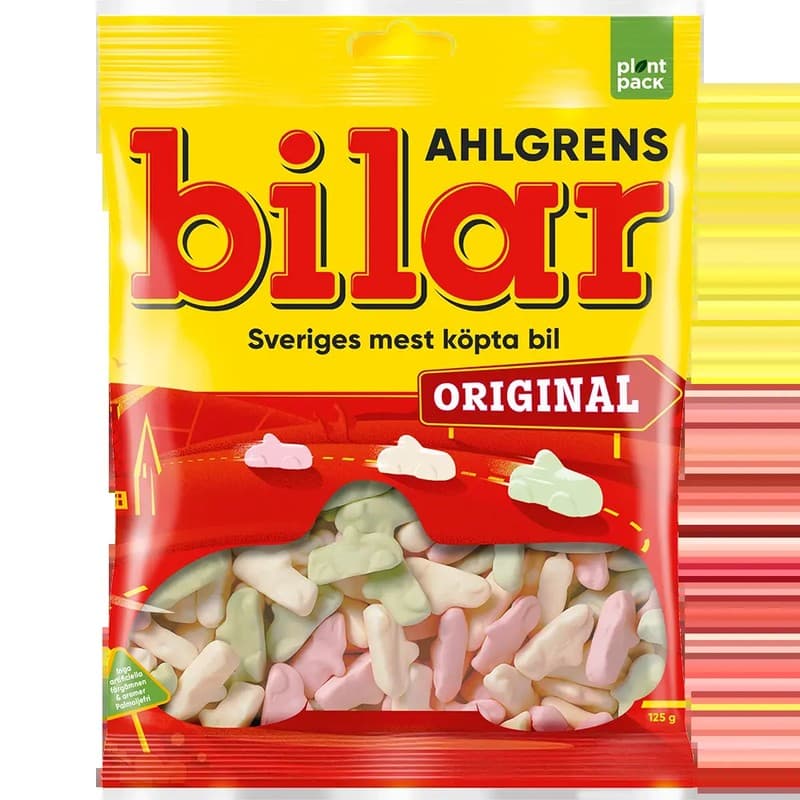
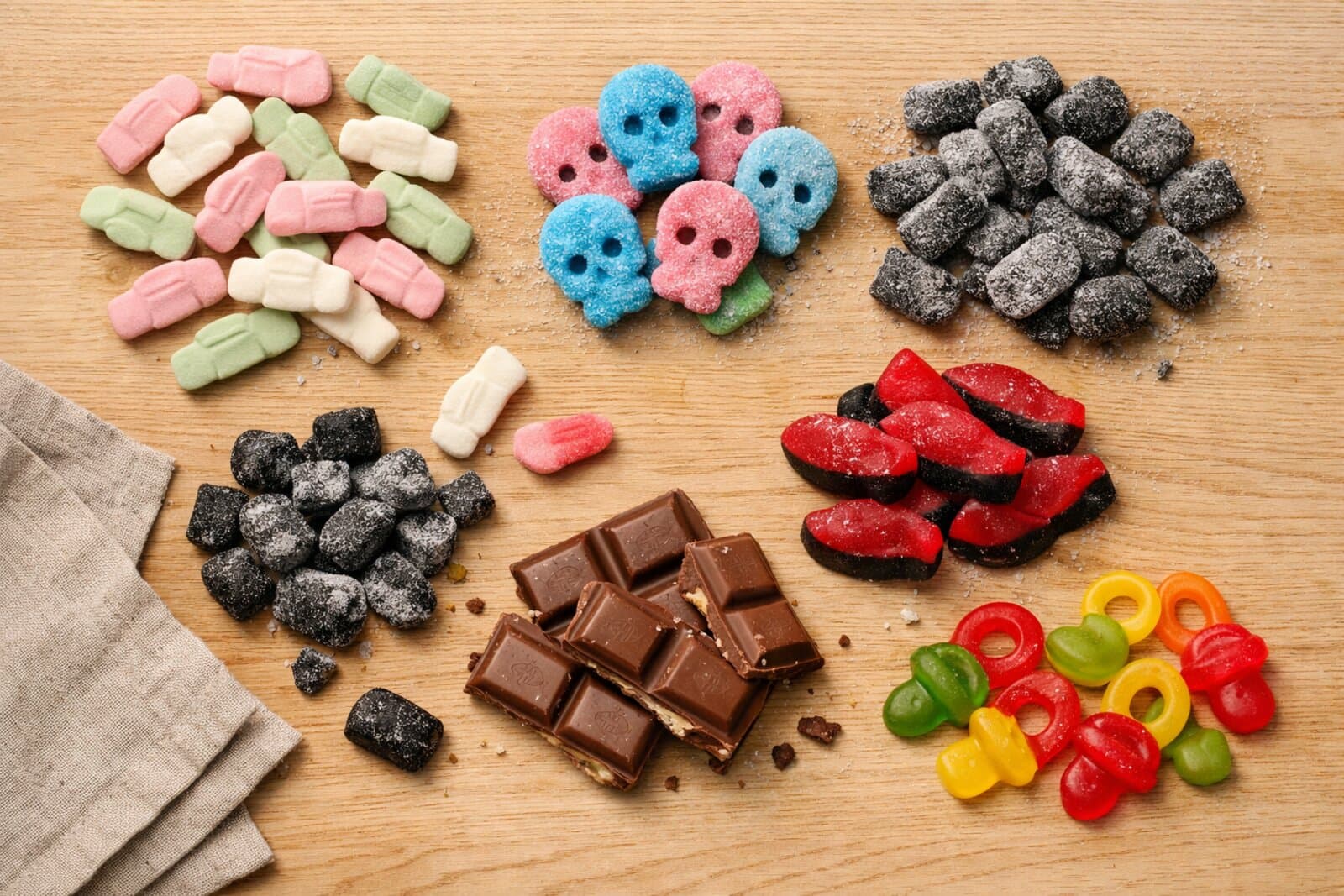
Beyond traditional gummies, Swedish candy makers produce foam candy in a category of its own. Ahlgrens Bilar, shaped like tiny cars, are airy, light, and dissolve almost instantly on your tongue. They deliver flavor in a completely different way — no extended chew, just a burst of taste. Important note: Bilar are foam candy, not gummies or marshmallows. They're their own thing entirely.
BUBS: The Gummy Brand That Changed Everything
BUBS emerged from Sweden and became an unlikely viral sensation, particularly on TikTok. What started as a niche Swedish candy brand exploded into a global phenomenon around 2022–2023, fundamentally changing how Americans think about gummy candy.
The core appeal is rooted in ingredient transparency. BUBS gummies use potato starch instead of gelatin — no animal products. They're sweetened with sugar rather than high-fructose corn syrup. No artificial colors, no artificial flavors, no preservatives. For consumers increasingly concerned about what they eat, BUBS represented a genuinely different option that didn't sacrifice flavor for virtue.
The viral moment came through TikTok unboxing and reaction videos. Creators were genuinely excited about the taste and texture, and that authentic enthusiasm proved contagious. Videos of people tasting BUBS Sour Skulls for the first time accumulated millions of views. This wasn't paid sponsorship in most cases — it was organic enthusiasm from people who were genuinely impressed.
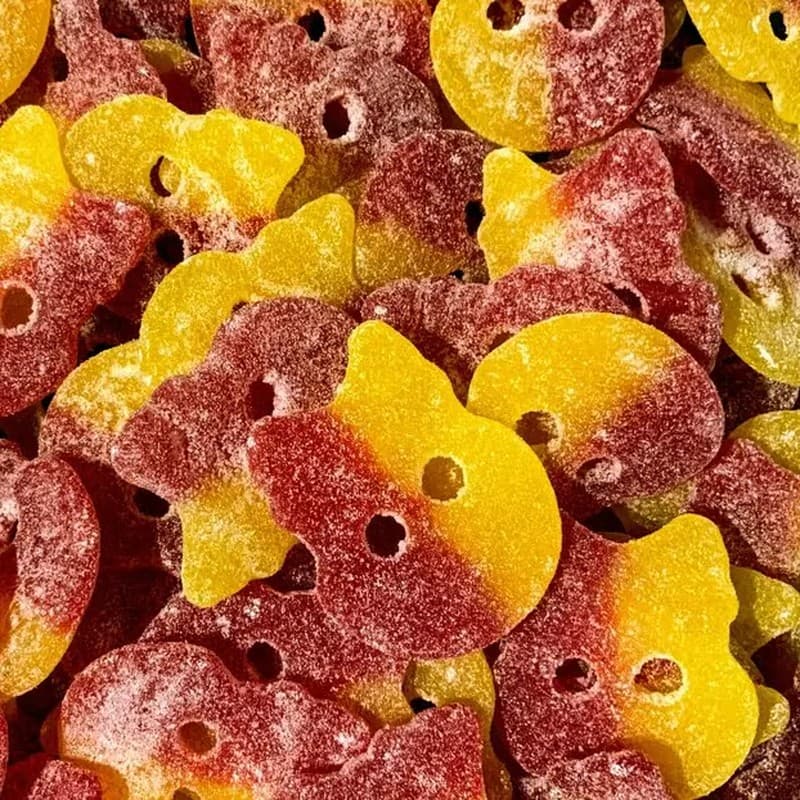
What makes BUBS distinct goes beyond marketing. The Sour Skulls are genuinely sour in a way American gummies rarely achieve. The sour coating is intense and lingers. The fruit flavors — raspberry, strawberry, pineapple, orange — taste noticeably more like actual fruit than the synthetic approximations common in American candy.
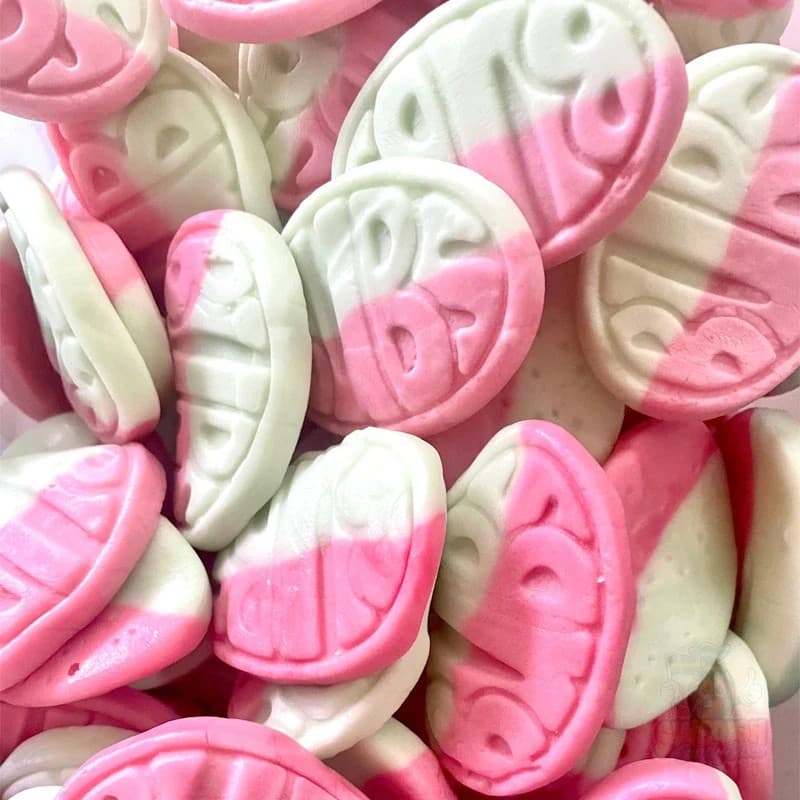
BUBS Watermelon gummies showcase another strength: flavor authenticity. They taste like actual watermelon — tart, fresh, and bright — rather than generic "candy fruit." This makes BUBS appealing to people who weren't sure they even liked gummies.
BUBS also pioneered the concept of premium gummies in the American market. Before their rise, gummies were cheap, ubiquitous candy. BUBS elevated them to a product worth paying more for and discussing enthusiastically. This shift in perception benefited the entire Swedish gummy category.
Malaco Gummies: The Traditional Standard
While BUBS captured American attention through viral marketing, Malaco represents the established backbone of Swedish candy. Founded in 1934, Malaco is Sweden's largest candy manufacturer and has spent over 80 years perfecting gummy production. For most Swedes, Malaco gummies aren't trendy — they're the default. The candy that's always been there.
Gott & Blandat ("good and mixed") is Malaco's flagship mixed assortment. It contains multiple gummy shapes and flavors in a single package, offering variety without requiring commitment to one flavor. Gott & Blandat has remained essentially unchanged for decades — a testament to its fundamental appeal. The gummies are well-made, with clear natural colors and consistent texture.
Zoo gummies feature playful animal shapes in classic fruit flavors. They occupy a similar market position to Haribo bears but with superior texture and more authentic flavoring. For Americans transitioning from American gummies to Swedish alternatives, Zoo offers familiar shapes with upgraded quality.
What distinguishes Malaco is consistency. These gummies don't promise to be trendy or revolutionary. They promise to taste good, be made from quality ingredients, and deliver the same experience year after year. Malaco has optimized every detail: firm enough to maintain shape, soft enough to chew comfortably, flavored precisely — neither too subtle nor overwhelming.
Sour Swedish Gummies
The sour category represents one of the most distinctive aspects of Swedish gummy production. While sour gummies exist in America, Swedish sour gummies operate on a different level — more intense, more complex, and more genuinely sour rather than simply tart.
American sour gummies typically use citric acid alone, creating a sharp sensation that peaks quickly then fades. Swedish sour gummies use more sophisticated acid blends (citric acid combined with malic acid) in higher concentrations. This creates sourness that builds gradually, peaks, and persists. The coating doesn't dissolve immediately — it clings to your mouth, creating prolonged taste layers.
The crystal coating on premium Swedish sour gummies is visually distinct — you can see individual crystals adhering to the surface. This isn't merely aesthetic; the crystals release acid as they dissolve, creating layered sourness rather than a single hit. It's why Swedish sour candy has become such a hit on ASMR videos too — the crunch of that crystal coating is deeply satisfying.
Swedish sour gummies also maintain complex flavor underneath the sourness. The tartness doesn't overwhelm fruit flavors — it complements them. A sour strawberry gummy combines tart strawberry with acidic sourness, creating something more interesting than either element alone. Sourness enhances flavor rather than replacing it.
Swedish Gummy Ingredients vs American Gummies
A side-by-side ingredient comparison reveals just how differently Swedish and American manufacturers approach gummy production.
Gelling agents: American gummies rely on gelatin (derived from animal collagen, usually pork or beef). Swedish gummies increasingly use potato starch and pectin, making many products vegan. Starch-based gellants create slightly different mouthfeel — often smoother and more tender than gelatin.
Colorants: The starkest difference. American gummies use FD&C Red 40, Yellow 5, Yellow 6, and Blue 1 — synthetic dyes with bright, consistent color. Swedish gummies use spirulina (blue/green), carrot extract (orange/yellow), beetroot juice (red/purple). Natural colorants may look slightly different but are universally recognized as safer.
Sweeteners: American mainstream gummies often contain high-fructose corn syrup. Swedish gummies more commonly use sugar, creating a cleaner sweet flavor without the distinctive HFCS taste many find overly sweet.
Flavorings: Swedish gummies tend to use flavor compounds from actual fruit sources. American versions often rely on synthetic approximations. Swedish raspberry gummies often taste more like actual raspberries. It's a subtle but important difference.
Preservatives: Swedish gummies typically contain fewer artificial additives. Preservatives like BHA or BHT, permitted in the US but restricted in the EU, never appear in Swedish gummies. Read our vegan candy guide for more on Swedish candy ingredients.
The Best Swedish Gummies to Try First
1. Malaco Gott & Blandat — The safest starting point. Variety in flavors and shapes, affordable, perfectly represents Swedish mainstream gummies. If you don't enjoy this, Swedish gummies may not be for you. If you do, you're ready to explore further.
2. BUBS Watermelon — Showcases flavor authenticity immediately. The watermelon flavor is remarkable — bright, tart, genuinely watermelon-tasting. This product converts skeptics because the quality difference is undeniable.
3. BUBS Sour Skulls — Once you've tried regular Swedish gummies, go here. Demonstrates what Swedish candy makers achieve in sour. Intense but not impossible, with distinct, complex flavors.
4. Malaco Zoo — Familiar shapes, fun flavors. Less adventurous than BUBS but more interesting than American Haribo equivalents.
5. Ahlgrens Bilar — Genuinely different from traditional gummies. Small foam cars that are addictive in their own way. Worth trying to understand the full spectrum of Swedish candy.
🍬 Try Swedish Gummies Yourself
BUBS, Malaco, and more — shipped to the US
Shop Swedish Gummies at Mums →Where to Buy Swedish Gummies in the US
Amazon is your easiest option. Most popular Swedish gummy brands are available there, often with Prime shipping. Convenient but sometimes pricier than specialized retailers.
Specialty candy retailers focused on international sweets often stock Swedish gummies with better inventory knowledge and personalized recommendations.
IKEA stores stock limited Swedish candy selections, including some Malaco products — surprisingly good option with reasonable prices.
Scandinavian import shops in areas with Swedish communities carry multiple brands at competitive prices, ideal for trying multiple products with personalized advice.
Frequently Asked Questions
Are Swedish gummies vegan?
Many are, though not all. BUBS gummies are explicitly vegan, using potato starch instead of gelatin. Malaco gummies traditionally contain gelatin, making them non-vegan, though some Malaco products are vegan. Always check the ingredient list if this matters to you. The movement toward vegan gummies is particularly strong in Sweden.
Do Swedish gummies taste different from American gummies?
Yes, noticeably so. Swedish gummies typically taste fresher and less artificial. Fruit flavors taste more like actual fruit, sweetness is cleaner without the HFCS taste, and texture is often superior — less rubbery, more refined. The primary difference is ingredient quality and manufacturing philosophy.
Why are Swedish gummies more expensive?
The price premium reflects several factors: higher-quality ingredients (natural colorants cost more than synthetic dyes), import costs and shipping from Sweden, smaller production runs compared to American mega-brands, and the specialty market positioning. You're paying for genuinely better ingredients and the logistics of importing European candy.
How should I store Swedish gummies?
Cool, dry place in an airtight container or resealable bag. Most have a shelf life of one to two years. Room temperature is fine; refrigeration isn't necessary and can actually make them harder to eat. Just keep them away from heat and humidity.
What's the best Swedish gummy brand overall?
It depends on your priorities. BUBS offers the most innovative, vegan-friendly options with strong flavors. Malaco offers the most authentic, traditionally Swedish experience with decades of proven quality. For sour candy lovers, BUBS wins. For those wanting to understand what Swedes actually eat daily, Malaco is the answer. For the full picture, read our BUBS vs Haribo comparison.

Founder & Editor
Former Swedish candy & FMCG professional turned US-based founder of SwedishCrave. Built the site to fill the gap he saw when he moved stateside.