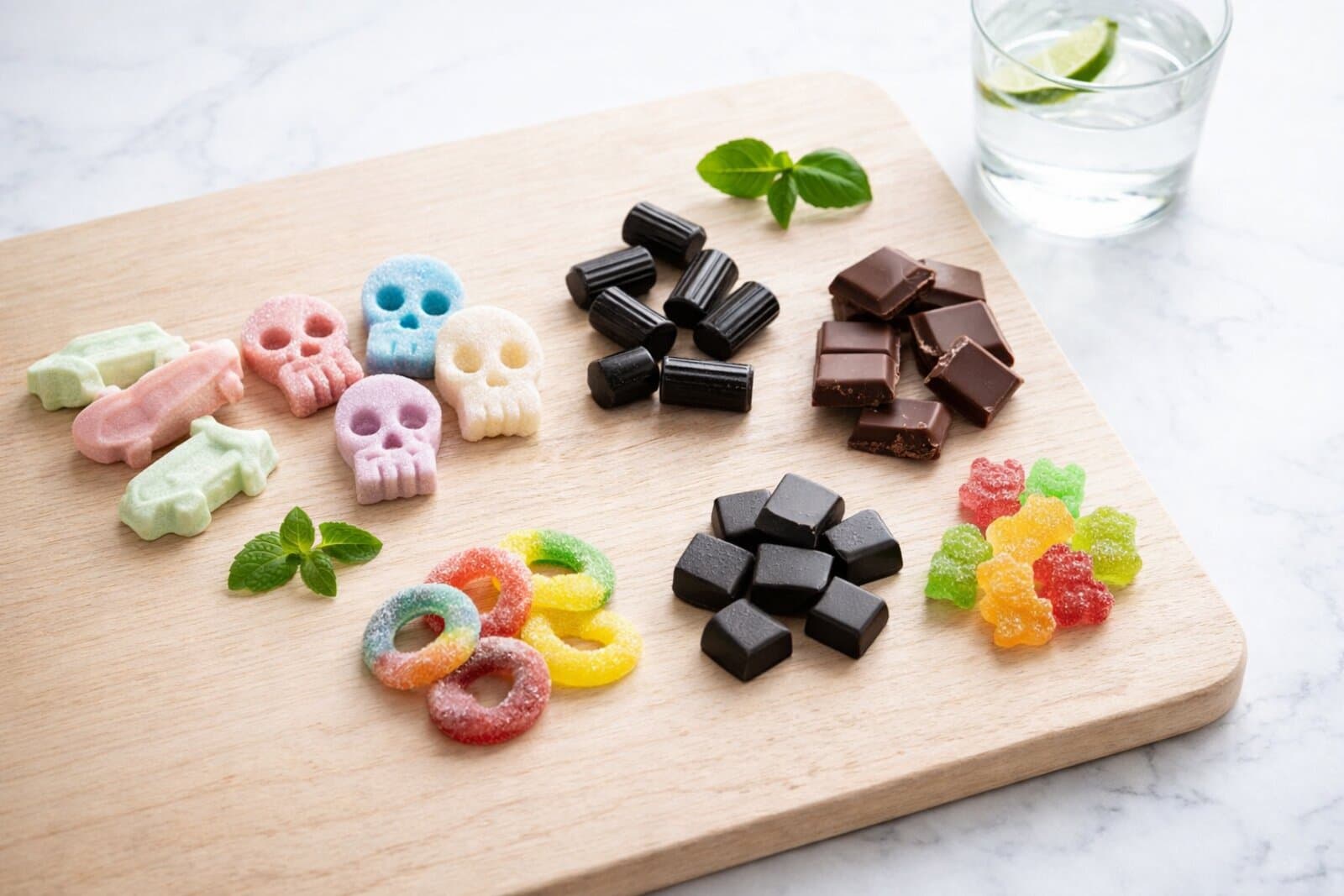
If you've seen Swedish candy on TikTok and want to try it but don't know where to start, this guide is for you. We'll walk you through the must-try candies, what flavors to expect, and which ones to avoid if you're not ready for salmiak.
Understanding the Three Flavor Families of Swedish Candy
Swedish candy doesn't organize by texture like American candy (hard, chewy, gummy). Instead, it organizes by flavor families that reflect Nordic taste traditions.
1. Sweet & Fruity (Fruktiga Godis)
This is the most approachable category for American palates. These are fruit-forward candies—gummies, jellies, and sour candies where the base flavor is recognizable fruit (strawberry, raspberry, citrus, apple).
Key characteristic: Complex texture and flavor layering. A Swedish fruity gummy might have a sour coating, chewy center, and fruity jelly heart—multiple sensations in one bite. American fruity gummies are usually simple: sweet fruit flavor, standard chewy texture.
Best for beginners because: Fruit flavors feel familiar, and the texture complexity is exciting rather than shocking.
2. Chocolate (Choklad)
Swedish chocolate falls into two categories: solid chocolate bars and chocolate-covered candies (licorice, marshmallow, toffee, fruit jellies).
Key characteristic: Smoother, creamier quality than mass-market American chocolate. Marabou and other Swedish brands use better cocoa processing and fewer waxy additives. It melts differently on your tongue.
Best for beginners because: Chocolate is universally understood, and higher quality is immediately noticeable and appreciated.
3. Salmiak & Licorice (Lakrits & Salmiak)
This is the challenging family. Salmiak is salty licorice (licorice + ammonium chloride), and it's polarizing. Licorice includes everything from soft gummies to hard sticks to chocolate-covered varieties.
Key characteristic: Intense, umami-forward flavors that don't exist in American candy. Salmiak tastes salty and slightly metallic. Regular licorice is herbal and intense. These require acquired taste.
Best for beginners: Skip these initially unless you specifically enjoy licorice. Start with the sweet & fruity and chocolate families first.
Top 10 Starter Candies: Ranked for Beginners
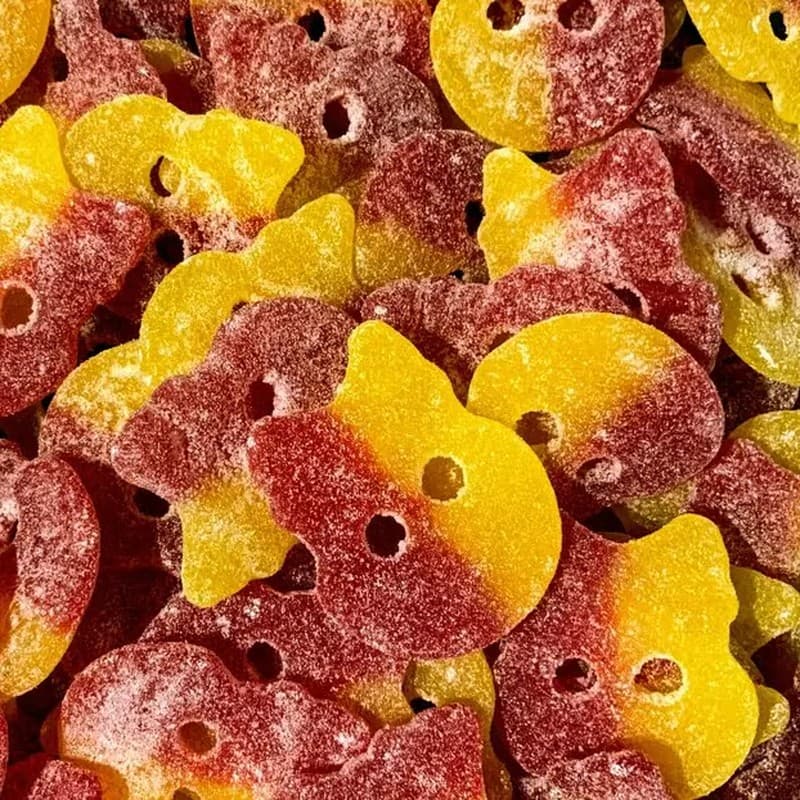
#1: BUBS Sour Skulls
Why it's #1: This is the candy that went viral on TikTok, and for good reason—it's genuinely amazing. Intensely sour coating, fruity middle, candy center. The flavor journey in one bite is more interesting than most American candies.
What to expect: Your mouth will pucker. Hard. Then fruity sweetness kicks in. Then you're left with complex flavors building on your tongue. It's shocking and delicious.
Flavor family: Sweet & Fruity (with sour intensity)
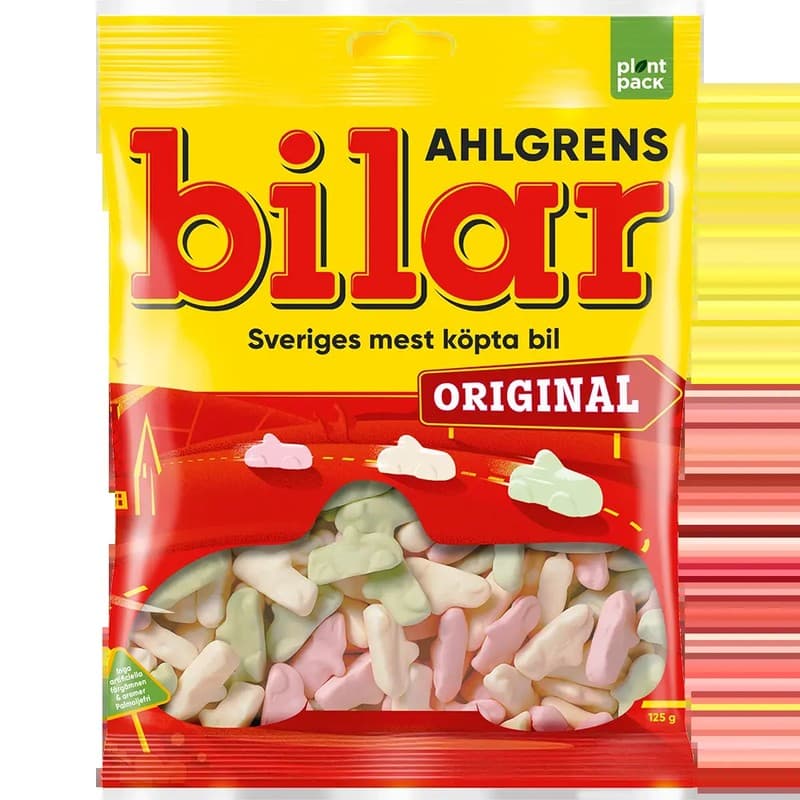
#2: Ahlgrens Bilar
Why it's #2: These are Swedish candy heritage in a bite. Chocolate-covered marshmallow in the shape of little cars. Nostalgia and novelty combined. Safe but charming.
What to expect: Smooth chocolate coating with a soft marshmallow center. Nothing shocking, but the quality of the chocolate and the lightness of the marshmallow make it noticeably better than American equivalents.
Flavor family: Chocolate
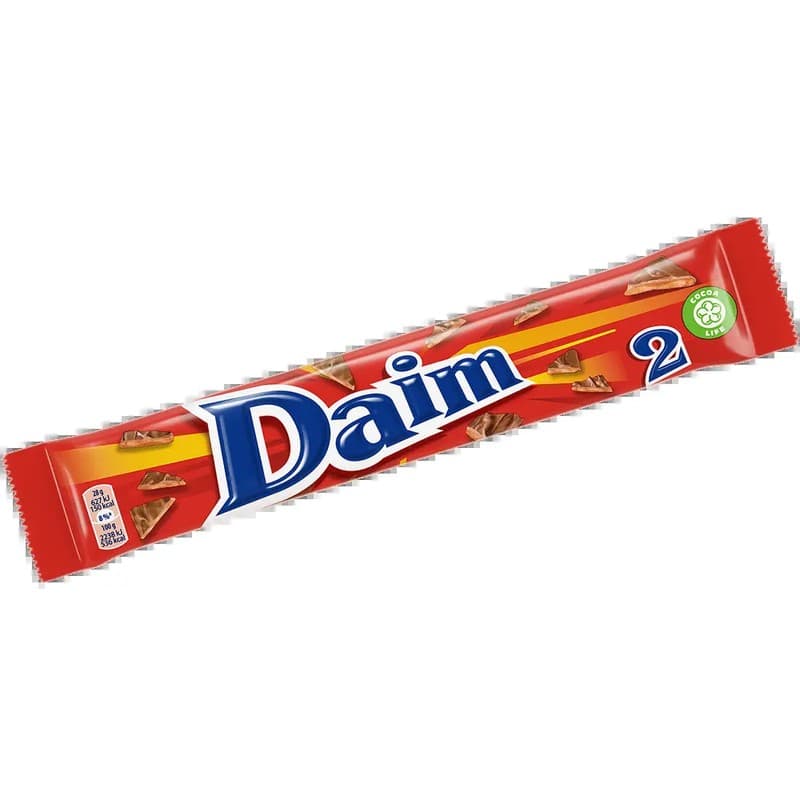
#3: Daim
Why it's #3: Crispy, brittle candy coated in chocolate. Incredible texture contrast. This is what happens when candy makers prioritize interesting texture over simple sweetness.
What to expect: The brittle shatters in your mouth, creating a complex experience. The caramel-chocolate combination is sophisticated without being pretentious.
Flavor family: Chocolate
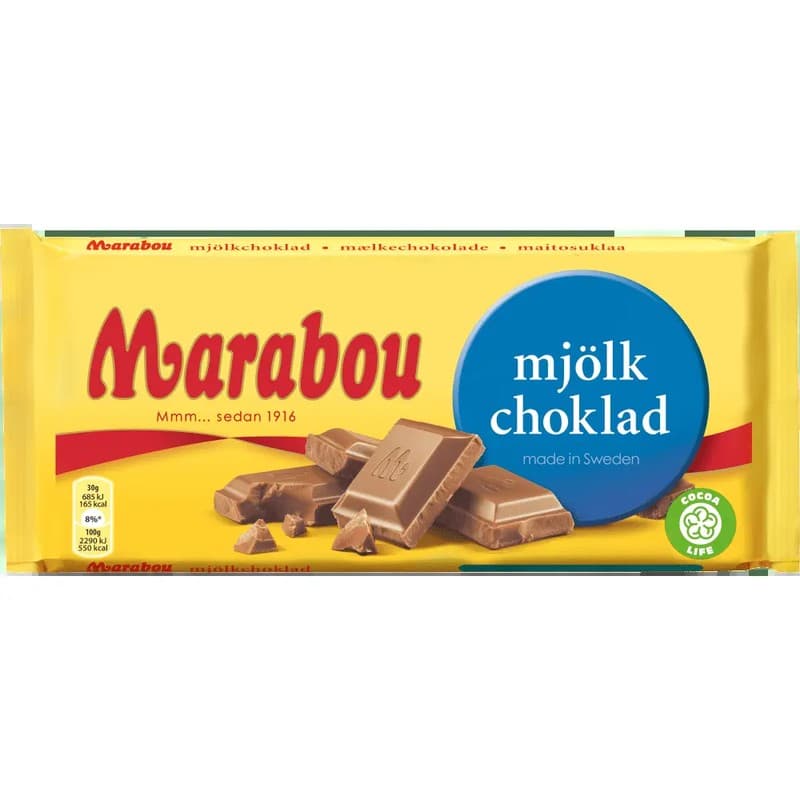
#4: Marabou Mjölkchoklad
Why it's #4: Plain Swedish milk chocolate. This is the gateway to understanding why Swedish chocolate tastes different. No exotic flavors, just pure chocolate quality.
What to expect: Creamy, smooth chocolate that melts differently than Hershey's or other American brands. You'll immediately notice the difference in texture and lack of waxy aftertaste.
Flavor family: Chocolate
#5: Djungelvrål
Why it's #5: Chewy licorice wrapped in dark chocolate. This is your introduction to Swedish licorice without going full salmiak. The chocolate coating makes it approachable.
What to expect: Dark, intense licorice flavor (herbal, slightly anise-forward) contrasted with chocolate. It's bold but the chocolate softens the impact for beginners.
Flavor family: Licorice-Chocolate Hybrid
#6: BUBS Fruity Sour Gummies
Why it's #6: If Sour Skulls are too intense, BUBS fruity gummies offer similar flavor complexity with slightly less sour intensity. Multiple fruit varieties available.
What to expect: Sour coating but milder than Sour Skulls. Chewy gummy texture with real fruit juice flavor. Less shocking, but still distinctly better than American sour gummies.
Flavor family: Sweet & Fruity
#7: Malaco Bilar (Soft Licorice Cars)
Why it's #7: Introduction to soft licorice without overwhelming intensity. Cute shape (same as Ahlgrens but licorice instead of chocolate). Mild licorice flavor.
What to expect: Soft, chewy licorice with gentle anise flavor. Not as challenging as hard licorice. Good stepping stone toward salmiak if you decide to go there.
Flavor family: Licorice
#8: Marabou Chokladboll
Why it's #8: Chocolate-covered coconut marshmallow balls. Texture contrast (crispy chocolate shell, soft center) combined with familiar coconut flavor. Easy to enjoy.
What to expect: Similar appeal to Ahlgrens Bilar but with coconut flavor and rounder shape. Light, airy center with good chocolate quality.
Flavor family: Chocolate
#9: BUBS Strawberry & Raspberry Gummies (Non-Sour)
Why it's #9: If you want fruit candy without sour intensity, BUBS makes excellent fruity gummies that are just sweet and fruit-forward. Real fruit juice base.
What to expect: Chewy gummies with genuine fruit flavor, not artificial. Good texture and flavor balance. Familiar experience but higher quality than American equivalents.
Flavor family: Sweet & Fruity
#10: Cloetta Bilar (Vanilla Marshmallow Cars)
Why it's #10: Similar to Ahlgrens Bilar but vanilla instead of plain marshmallow. A safe, pleasant introduction to Swedish candy with subtle vanilla flavor.
What to expect: Smooth chocolate with vanilla-flavored marshmallow center. Gentle, approachable, and charming. A great entry point if sour candy sounds intimidating.
Flavor family: Chocolate
Candies to Avoid (As a Beginner)
Extreme Salmiak
Products labeled as salmiak, salty licorice, or ammonium chloride licorice should be skipped initially. Examples to avoid:
- Malaco Pastellipastilles (intense salmiak)
- Super Sura Skallar (sour salmiak gummies)
- Any licorice products labeled "intense" or with salmiak explicitly featured
These taste like a tire mixed with salt. Not appetizing to most first-timers. Come back to salmiak after you've enjoyed other Swedish candies and built familiarity with Nordic flavor profiles.
Extremely Hard Licorice
Traditional hard Swedish licorice (like Malaco's solid sticks) is very hard and very intense. Skip these initially. Start with soft licorice or chocolate-covered licorice first.
Niche Flavor Varieties
Swedish candy includes adventurous flavors like eucalyptus, mushroom, onion-based licorice, and other intense Nordic experiments. These are fun once you understand Swedish candy better. Skip them on first try.
Swedish Candy Flavor Guide for Beginners
| Flavor Profile | Beginner-Friendly? | Start With |
|---|---|---|
| Sour Candy (Surseglat) | ✓ Yes | BUBS Sour Skulls |
| Fruity Gummies (Non-Sour) | ✓ Yes | BUBS Fruity Gummies |
| Chocolate & Chocolate-Covered | ✓ Yes | Marabou Mjölkchoklad |
| Soft Licorice | ~ Maybe | Malaco Bilar |
| Hard Licorice | ✗ No | Skip for now |
| Salmiak (Salty Licorice) | ✗ No | Skip for now |
Common Mistakes Beginners Make
Mistake #1: Assuming "Licorice" Means the Same Thing Everywhere
American black licorice (like Twizzlers) and Swedish licorice are completely different. Swedish licorice is often softer, has more intense herbal flavor, and sometimes includes salmiak. Don't assume you dislike Swedish licorice because you dislike American black licorice.
Mistake #2: Buying "Variety Packs" Without Understanding What's Inside
Some beginner variety packs include salmiak or extreme licorice without warning. Check ingredient lists and descriptions before buying. You might end up with candies you're not ready for.
Mistake #3: Judging All Swedish Candy by One Bad Experience
If your first Swedish candy is extreme salmiak or intense licorice, you might assume all Swedish candy tastes weird. It doesn't. Start with the beginner list, not random products.
Mistake #4: Not Trying Chocolate-Covered Varieties
Many beginners focus on gummies and skip chocolate-covered candies. This is a mistake. Chocolate-covered licorice and marshmallow are often more approachable than plain versions.
Mistake #5: Comparing to Mass-Market American Candy
Swedish candy is more expensive than Hershey's or Skittles because quality is higher. You're not paying for brand name; you're paying for better ingredients and more interesting flavor combinations. Accept the price difference and appreciate the quality.
Your Beginner Starter Pack ($25-30 Budget)
Here's a suggested starter collection that covers all three flavor families without overwhelming you:
Beginner Starter Pack (~$28)
- BUBS Sour Skulls ($6) — The TikTok viral candy
- Ahlgrens Bilar ($5) — Swedish heritage chocolate
- Daim ($4) — Texture innovation
- Marabou Mjölkchoklad ($4) — Premium chocolate baseline
- Djungelvrål ($4) — Licorice introduction
- BUBS Fruity Gummies (Non-Sour) ($5) — Fruit flavor confidence
This gives you a 6-candy sampler across all major categories without breaking the budget or introducing extreme flavors.
Where to Order Beginner-Friendly Swedish Candy
We maintain a comprehensive guide to where you can buy Swedish candy online. For beginners, we recommend:
- Amazon: Fast shipping, easy returns, good variety of single products
- Specialty Swedish candy retailers: Better selection and often curated beginner packs
- Swedish import grocery stores: If you're in a city with Swedish community, local shops often have samples and can recommend beginner candies
Avoid:
- Random eBay sellers: Quality inconsistency and shipping times
- Generic candy websites: Often limited Swedish selection and poor descriptions
What to Do After You've Tried the Starter Pack
Once you've enjoyed the beginner candies, you're ready for the next tier:
- Explore salmiak: Try mild salmiak varieties like Djungelvrål or light salmiak gummies
- Try hard licorice: Now you understand Swedish candy better; hard licorice's intensity is easier to appreciate
- Experiment with single-variety purchases: Instead of variety packs, order specific candies you're curious about
- Visit Swedish candy stores in person: If you're near a specialty shop, the experience of browsing adds to the discovery
Shop authentic Swedish candy from trusted retailers with fast US shipping.
Frequently Asked Questions
Is Swedish candy really that different from American candy?
Yes, significantly. Swedish candy prioritizes real sugar, plant-based colorings, complex textures, and interesting flavors. American mass-market candy prioritizes shelf stability, affordability, and simple sweetness. The difference is immediately noticeable when you taste them side by side. Swedish candy feels more complex; American candy feels flatter.
Why is Swedish candy more expensive?
Better ingredients cost more. Real sugar costs more than high-fructose corn syrup. Plant-based colorings cost more than synthetic dyes. Premium cocoa costs more than commodity chocolate. You're not paying for branding; you're paying for actual quality differences.
Can I buy Swedish candy at regular American grocery stores?
Increasingly, yes. Following the 2023 TikTok explosion, many major retailers now stock BUBS and other Swedish candies. However, selection is limited compared to online retailers. For variety and better prices, order online.

Founder & Editor
Former Swedish candy & FMCG professional turned US-based founder of SwedishCrave. Built the site to fill the gap he saw when he moved stateside.