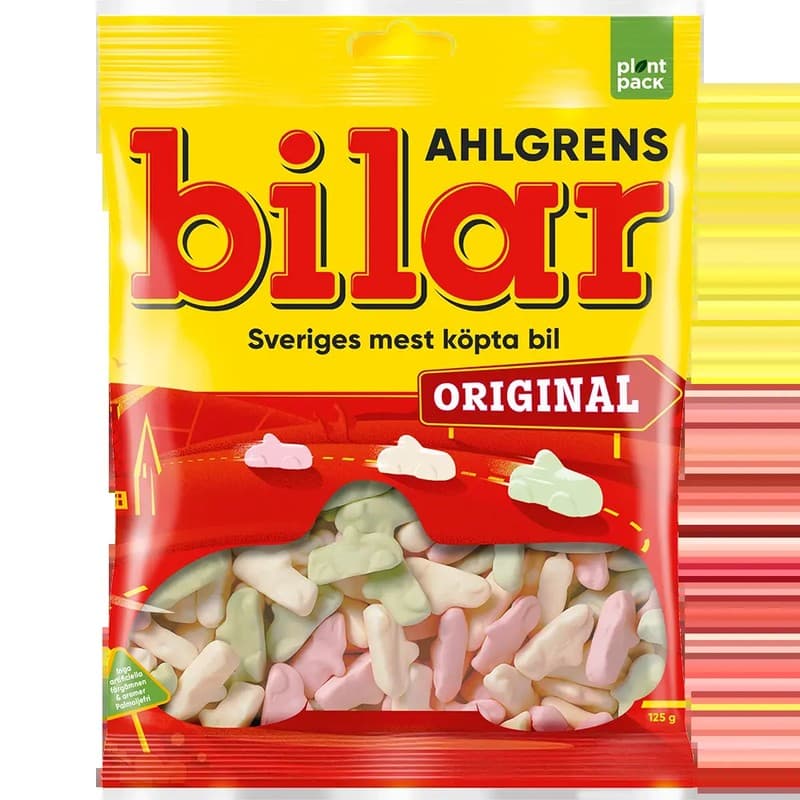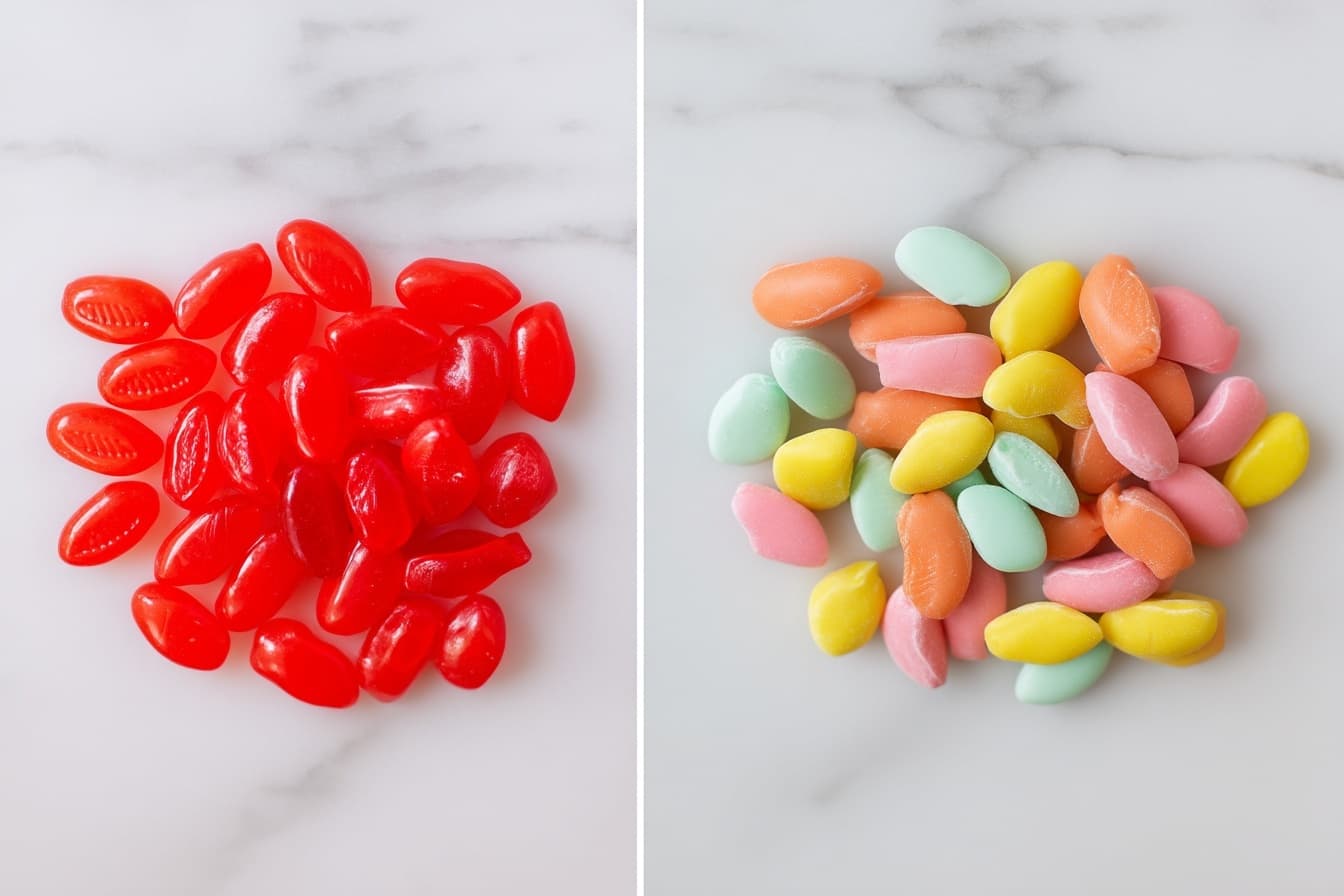
Swedish Fish is probably the first thing Americans think of when they hear "Swedish candy." But here's the thing — Swedish Fish as Americans know it barely exists in Sweden. The real Swedish candy scene is something completely different.
The Malaco Story: Where Swedish Fish Actually Come From
Swedish Fish weren't invented as "Swedish Fish." They were created by Malaco, a Swedish candy manufacturer founded in 1921, as simple fruit-flavored gummies called "pastellfiskar" (pasta fish). For decades, they were just another regional Scandinavian candy. The real transformation happened in the 1950s when an American importer rebranded them for the North American market, added the exotic "Swedish" label, and created what would become one of America's most iconic imported candies.
The irony is delicious: Swedish Fish became famous in America while remaining relatively obscure in Sweden itself. Most Swedes don't grow up eating Swedish Fish. They eat Malaco's dozens of other products — licorice, sour candies, chocolate, and regional specialties — but Swedish Fish specifically were optimized and marketed toward American tastes.
Ingredient Comparison: The Corn Syrup Question
Here's where the comparison gets revealing. American Swedish Fish contain corn syrup, gelatin, and artificial food colorings (including Yellow 5, Red 40, and Blue 1). The texture is noticeably softer than the European version, and the flavors are simplified to appeal to American palates — mostly generic "fruit" rather than specific berries.
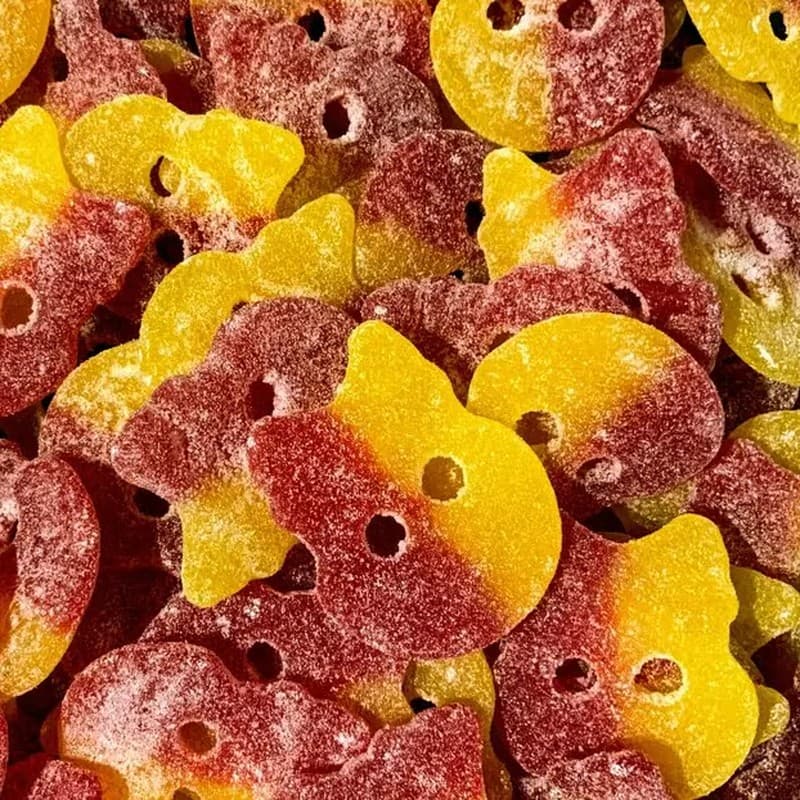
Real Swedish candy takes a different approach. BUBS Sour Skulls, for example, use real fruit juice concentrates, cane sugar, and natural colorings. Malaco's Swedish licorice varieties skip corn syrup entirely, opting for traditional sugar and starch-based recipes that have been refined for over a century. The texture is firmer, the flavor more complex, and the ingredient list reads like someone actually knows what they're making.
This isn't just a taste preference — it reflects different manufacturing philosophies. American candy prioritizes shelf stability and ease of production. Swedish candy prioritizes flavor and texture authenticity, even if it requires more careful ingredient sourcing.
Flavor Profiles: Sweet vs. Sophisticated
American Swedish Fish taste predictably fruity — bright, sweet, with a hint of citrus or berry. That's intentional. The American formula was specifically designed to be accessible to everyone: kids, adults, people who don't normally eat adventurous candy. It's a gateway candy, not a destination candy.
Real Swedish candy operates on a different spectrum. BUBS candies range from sour berries to intensely pucker-inducing flavors that make your face collapse. Malaco's licorice varieties include salmiak (that infamous salty-savory flavor) and salted licorice that literally tastes like nothing Americans have ever experienced. Swedish candy assumes your palate can handle complexity, intensity, and flavor notes that develop over time.
Sour Candy: Where Swedish Dominates
This is where the gap between Swedish Fish and "actual Swedish candy" becomes a chasm. Swedish Fish aren't sour. They're sweet gummies with a subtle fruit flavor. That's fine if you like gentle candy. But if you've ever tried BUBS Sour Skulls, you know that Swedish sour candy operates on a completely different level.
Swedish sour candies use aggressive sour coatings (usually sugar mixed with malic acid) that create an immediate pucker response. The candy underneath is often quite sweet, creating a flavor contrast that's designed to surprise and challenge you. This is candy for people who want an experience, not just a taste.
American sour gummies typically use citric acid in smaller quantities, creating a milder sour effect that's more "tangy" than actually sour. Swedish sour candies are saying: "You think you can handle sour? Let's see."
Licorice: The Flavor Americans Usually Avoid
Here's the fundamental divide: American candy almost never includes licorice. Swedish candy is built around licorice as a foundational flavor. Malaco makes dozens of licorice varieties, from sweet and mild to extreme salmiak that tastes like the ocean mixed with ammonium chloride.
Swedish Fish have zero licorice, which is partly why they succeeded in America. They're Malaco's gateway into the American market — the product that gets Americans interested in Swedish candy without challenging their fundamental taste expectations. But once you go past Swedish Fish and try something like Djungelvrål or Tyrkisk Peber, you realize that licorice and salmiak are the heart of Swedish candy culture.
Texture Differences: Soft vs. Firm
American Swedish Fish are soft and chewy, designed to dissolve quickly and feel pleasant in the mouth. Real Swedish candies vary dramatically. Some are chewy like Swedish Fish, but many are firmer — the licorice varieties have a specific texture that's almost powdery on the outside with resistance when you bite down. Sour candies often have a crystal coating that you feel before the sweetness underneath.
This texture variation is intentional. It's not a manufacturing defect — it's the signature of a candy that knows what it's doing. Different candies are designed to be experienced in different ways.
The Malaco Manufacturing Philosophy
Malaco isn't trying to make candy that appeals to everyone. They're making candy that appeals to Swedes and Scandinavians who have specific taste preferences developed over generations. They use traditional recipes, specific sugar blends, and flavor combinations that made sense in Sweden in the 1920s and still make sense today.
American candy manufacturers optimize for different criteria: consistency, shelf life, broad appeal, and manufacturing efficiency. Swedish Fish fit these criteria perfectly. But they're not what Malaco makes for Swedish people — they're what Malaco makes for Americans.
Why Swedish Fish Aren't Even Popular in Sweden
Walk into a Swedish candy store and you won't see Swedish Fish dominating the shelves. You'll see walls of licorice, sour candies, chocolate, and regional specialties that nobody outside Scandinavia has heard of. Swedish Fish exist in Sweden, but they're not particularly special. They're just one option among hundreds.
This is the ultimate proof that Swedish Fish are an American product, despite their Swedish origins. They're famous in America precisely because they were adapted for American tastes. In Sweden, where people can buy actual salmiak licorice and proper sour candies, Swedish Fish are just... fine. Nothing special.
What Should You Actually Try?
If you want to experience real Swedish candy, start here:
- For sour lovers: BUBS Sour Skulls or any BUBS sour variety. The sourness is intense, the flavors are complex, and you'll understand why Swedish people are obsessed with sour.
- For licorice beginners: Start with sweet licorice from Malaco. It tastes like actual anise and sugar, not the medicinal licorice you might remember from childhood.
- For the adventurous: Salmiak candies will teach you that your palate can handle flavors beyond the standard fruit/chocolate/vanilla spectrum.
The Verdict
Swedish Fish are good candy. They're genuine Malaco products with a legitimate Swedish heritage. But they're not representative of what Swedish candy actually is. They're the diplomatic version — the product that bridges Swedish candy tradition with American candy expectations.
Real Swedish candy is bolder, more textured, more challenging, and vastly more diverse. It includes flavors that most Americans have never encountered. It prioritizes intensity and complexity over universal appeal. And it proves that just because two products have the same manufacturer doesn't mean they're designed for the same market.
Shop authentic Swedish candy from trusted retailers with fast US shipping.
Frequently Asked Questions
Why does Swedish Fish taste different from other Swedish candies?
Swedish Fish were specifically formulated for American consumers and taste preferences. They're sweet, fruity, and accessible — designed to introduce Americans to Swedish candy, not to represent what Swedes actually eat. Real Swedish candy often includes salmiak, sour coatings, and licorice flavors that most Americans find challenging at first.
Are Swedish Fish actually made in Sweden?
Swedish Fish are made by Malaco, a Swedish company, but the North American version is typically manufactured in facilities optimized for the American market. The brand, formulation, and concept are Swedish, but the production and ingredient sourcing reflect American market demands.
What's the best way to transition from Swedish Fish to "real" Swedish candy?
Start with sour candies like BUBS Sour Skulls (similar texture and sweetness to Swedish Fish, just with a sour coating), then move to sweet licorice varieties, and finally work up to salmiak if you're feeling brave. This progression lets your palate adjust gradually to more complex Swedish flavors.

Founder & Editor
Former Swedish candy & FMCG professional turned US-based founder of SwedishCrave. Built the site to fill the gap he saw when he moved stateside.