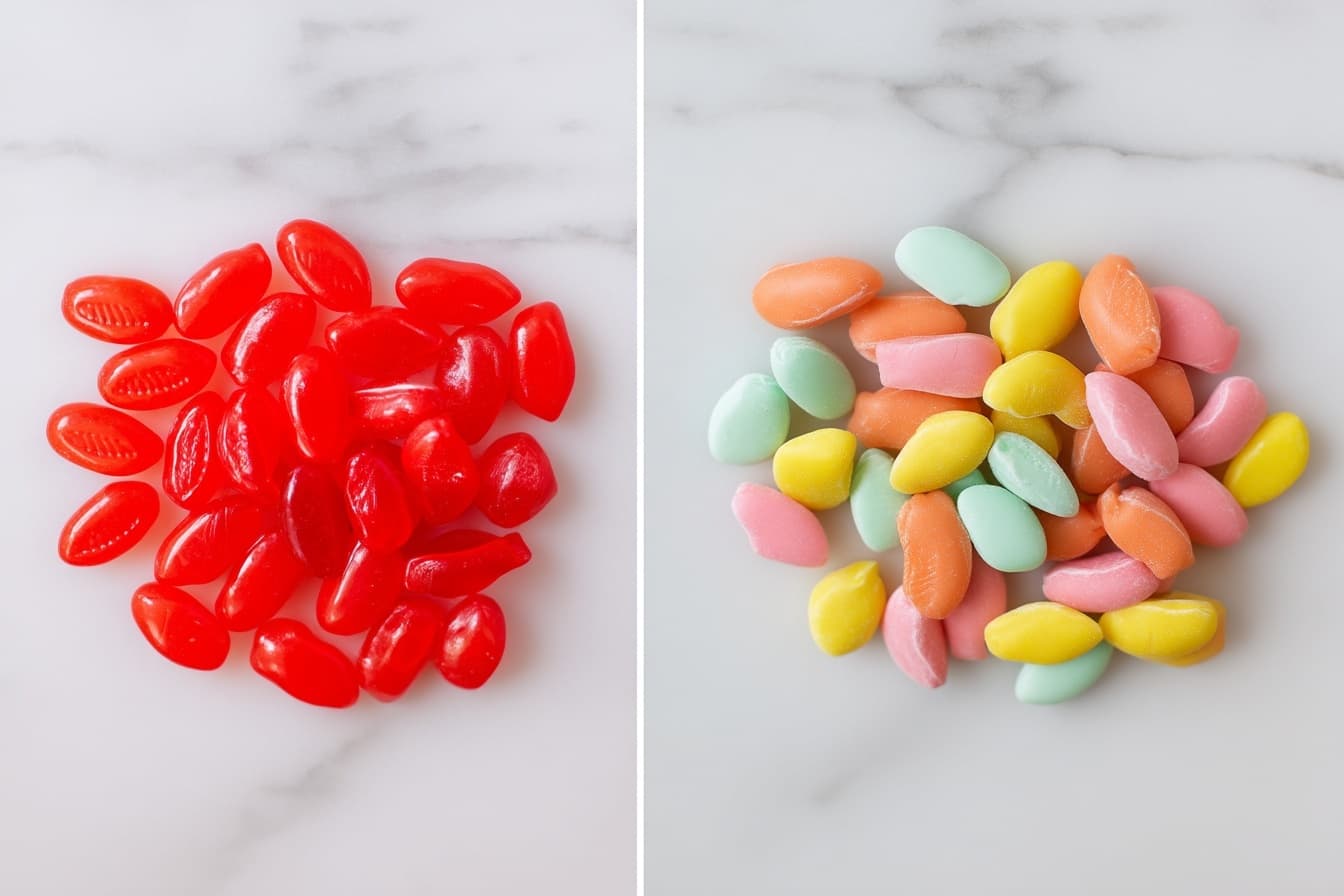
It's one of the most googled candy questions in America: is Swedish Fish actually Swedish? The answer is yes — sort of. The true story involves a Swedish candy company called Malaco, a transatlantic export deal, and two very different products with the same name.
The Swedish Fish Origin Story: Where It All Began
Here's the thing about Swedish Fish that surprises most Americans: the candy is indeed Swedish in origin, but there's a delicious plot twist. Swedish Fish as we know them today weren't invented as Swedish Fish. They were created by Malaco, a Swedish candy manufacturer founded in 1921, as simple fruit-flavored gummies. The company called them "pastellfiskar" — literally "pasta fish" — and they were popular in Scandinavia, but nobody outside Sweden particularly cared about them.
The real story of how Swedish Fish became an American candy icon involves an unlikely partnership, savvy marketing, and the fact that Americans somehow fell head over heels for a product that wasn't even created with us in mind. It's a candy origin story that deserves way more recognition than it gets.
How Swedish Fish Came to America
In the 1950s, an American candy importer named Robert Lindt discovered Malaco's little gummies while working in Europe. He saw potential. The candies were unique, affordable, and had that exotic "Swedish" appeal that could resonate with American consumers who were increasingly curious about European products. Lindt made a deal with Malaco to distribute these candies in North America, and he rebranded them as "Swedish Fish" — a name designed specifically to capture American attention.
The name wasn't false advertising, exactly. The fish were genuinely Swedish in origin. But Lindt understood American psychology: calling them "Swedish Fish" was far more marketable than "fruit-flavored gummies from Scandinavia" or keeping the original Malaco brand name. The strategy worked brilliantly. By the 1960s and 1970s, Swedish Fish had become a staple in American candy stores, primarily distributed through Malaco's agreement with American candy companies.
So when you ask "is Swedish Fish actually Swedish?" — yes, they are. But they were also specifically packaged and marketed as an American product, designed to appeal to American tastes and expectations. It's a beautiful example of how a candy can be authentic to its origins while also being completely adapted for a new market.
The Malaco Connection: Understanding the Real Manufacturer
This is where things get really interesting. Swedish Fish aren't made by some mystery company or lost Swedish village. They're made by Malaco, and understanding Malaco helps you understand Swedish Fish completely.
Malaco is one of Scandinavia's largest candy manufacturers. Founded in 1921 in Malmö, Sweden, the company has been creating iconic sweets for over a century. They're not just known for Swedish Fish — they're also behind other beloved candies like Super Sura (a sour candy that's basically the Swedish answer to sour gummies) and various licorice products that are hugely popular throughout Europe.
Here's something that catches a lot of people off guard: Malaco candy comes in two totally different product lines in the American vs. European markets. The Swedish Fish you buy at your local Target are technically a Malaco product, but they're slightly different from the pastellfiskar sold in Swedish candy stores. The American version tends to be a bit softer and sweeter, optimized for the American palate. The European versions often have more complex fruit flavors and a slightly different texture.
When you understand that Malaco owns the Swedish Fish brand in North America, you start to see the bigger picture: Swedish Fish are genuinely Swedish in origin and ownership, but they're also genuinely American in their current formulation and marketing.
What Makes Swedish Fish Different From Actual Swedish Candy?
This is probably the most confusing part of the Swedish Fish origin story. If Swedish Fish are made by a Swedish company, aren't they just Swedish candy? Well... kind of, but not really. Let me explain.
When we talk about "actual Swedish candy," we're usually referring to candies sold and consumed in Sweden itself. That includes brands like BUBS, Bilar (those cute little marzipan cars), and various licorice varieties that are massive in Scandinavia but barely exist in America. Many of these candies have flavors and textures that are distinctly Scandinavian — like salmiak (a salty-flavored licorice that Americans either love or hate), or the incredibly sour varieties that make your face implode.
Swedish Fish, by contrast, were specifically formulated for American taste preferences. They're fruit-flavored, relatively sweet, and accessible to pretty much anyone. They're the Swedish candy equivalent of a gateway drug — they don't challenge your palate or require you to develop a taste for salmiak or other intensely Nordic flavors.
For a deeper dive into this distinction, check out our article comparing Swedish Fish vs actual Swedish candy — it breaks down exactly how Swedish Fish fit into the broader world of Scandinavian sweets.
The American Adaptation and Market Dominance
Once Swedish Fish hit the American market, they exploded. Part of this was timing — the 1950s-70s saw a huge surge in interest in European products. Part of it was pure marketing genius. But the real secret to their success was that they filled a gap in the American candy market that nobody else had quite figured out.
American candy was traditionally either hard candies, chocolate, or chewy caramel. Swedish Fish were gummies, but not in the way we think about gummies today (that was a later category that developed partly because of their success). They were soft, fruit-flavored, affordable, and fun. They came in bright colors. You could buy them in bulk. They had that sophisticated "imported from Sweden" cache that made kids feel like they were trying something grown-up.
Ferrero, which eventually acquired the North American distribution rights, understood how to leverage this brand position. For decades, Swedish Fish were positioned as a premium candy — not as cheap as store-brand gummies, but more interesting and imported-feeling. This positioning held even as the candy became a mass-market staple.
The Name Game: Why "Fish"?
One last fascinating detail: why fish? There's actually a reason for this, though it's not as dramatic as you might hope. In Scandinavian candy culture, there's a long tradition of shaped gummies — fish, bears, snakes, etc. Fish shapes were particularly practical because they were easy to manufacture and they held their shape well. Malaco's original pastellfiskar were simple: fruits flavors, fish shapes, done.
When they came to America, fish shapes became even more appealing. Fish were exotic, slightly playful, and they fit the "Swedish" branding perfectly — you could imagine them swimming in Swedish fjords (even though they obviously don't). The name Swedish Fish just made sense: it was literally what they were, and it was memorable as hell.
So Is Swedish Fish Actually Swedish? The Final Answer
Yes, Swedish Fish are genuinely Swedish in origin. They were invented by a Swedish company, Malaco, in Sweden. They contain Swedish ingredients and Swedish manufacturing expertise.
But also: They were adapted, branded, and optimized for American consumers. They're Swedish in origin but American in execution. They're what happens when a Scandinavian product meets American market expectations.
This isn't a bad thing. It's actually kind of brilliant. Swedish Fish prove that candy can have an authentic heritage while also being genuinely adapted for a specific market. You're not being deceived by buying "Swedish" fish — you're buying a real Swedish product that just happens to be really good at being American candy too.
If you want to experience the difference between Swedish Fish and other Swedish candies, try checking out Ahlgren's Bilar or BUBS Sour Skulls to get a sense of what traditional Swedish candy tastes like. And if you're ready to explore the whole Malaco lineup, our Malaco candy guide breaks down everything they make and what sets each product apart.
A Brief History of Swedish Candy and Malaco
To really understand Swedish Fish in context, it's helpful to know a bit about the broader history of Swedish candy. For more detail on this, check out our article on the history of Swedish candy, but here's the quick version:
Swedish candy culture developed around local ingredients — particularly fruit syrups, sugar, and later chocolate. Malaco emerged in the 1920s during a period when Swedish manufacturing was booming, and they specialized in gummies and soft candies. They had competitive advantages: access to good fruit, sugar, and manufacturing expertise. They were positioned to dominate Scandinavian candy for decades.
Swedish Fish are just one product in Malaco's massive catalog. The company makes licorice, sour candies, chocolate, and dozens of other products. But Swedish Fish, through that North American distribution deal, became their most globally recognized product. It's kind of like how IKEA is globally famous but Swedish people have a whole different relationship with it than Americans do.
Where to Buy Authentic Swedish Fish
If you want to grab some Swedish Fish (or explore other Malaco products), you have options. Most major grocery stores carry Swedish Fish in their candy aisle. But if you want to find authentic Swedish varieties, imported versions, or compare different Malaco products, online specialty candy retailers are your best bet. Head over to our where to buy guide to find trusted retailers that stock Swedish Fish and other Scandinavian candies.
Frequently Asked Questions About Swedish Fish
Are Swedish Fish actually made in Sweden?
Swedish Fish are manufactured by Malaco, a Swedish company. However, depending on which market you're buying them for, they may be produced in different locations. The North American versions distributed by Ferrero are typically made in facilities optimized for the American market, but the brand, formulation, and core product are genuinely Swedish in origin.
Why do Swedish Fish taste different from other gummies?
Swedish Fish have a specific texture and flavor profile that comes from Malaco's manufacturing process. They're slightly firmer and have a more pronounced fruity flavor than many American gummy candies, which tend to be softer and more gelatin-based. This is because of the pectin-based formulation that Malaco has used since the beginning. The American version is slightly adapted from the original Swedish formulation, which is why you might notice a taste difference if you ever try imported Swedish varieties.
Is there salmiak in Swedish Fish?
No. Standard Swedish Fish don't contain salmiak (that salty ammonium chloride flavor that's huge in Scandinavia). They're fruit-flavored and sweet, which makes them much more accessible to American palates. Malaco does make salmiak candies, but those are a separate product line.
What's the difference between Swedish Fish and Swedish candy?
This is a great question because there's actually a significant difference. Swedish Fish are a specific product made by a Swedish company, but they were optimized for American tastes. "Swedish candy" as a broader category includes many products sold and consumed in Sweden that are quite different — things like intense licorice varieties, sour candies, marzipan shapes, and chocolate bars with flavors you won't find in America. If you want to explore authentic Swedish candy beyond Swedish Fish, try branching out to other brands and products to get a sense of what people in Sweden actually eat.

Founder & Editor
Former Swedish candy & FMCG professional turned US-based founder of SwedishCrave. Built the site to fill the gap he saw when he moved stateside.