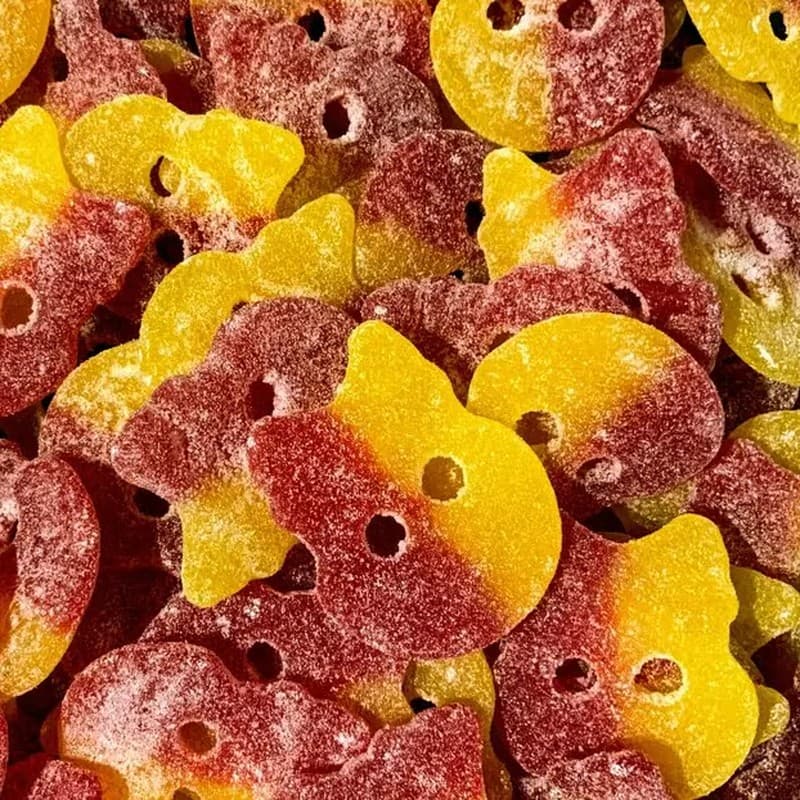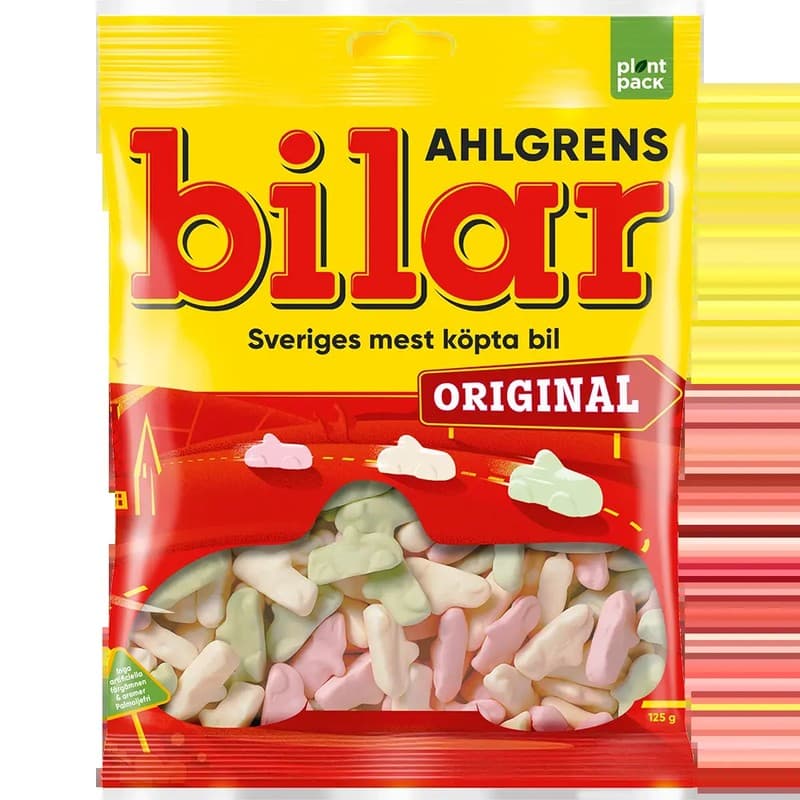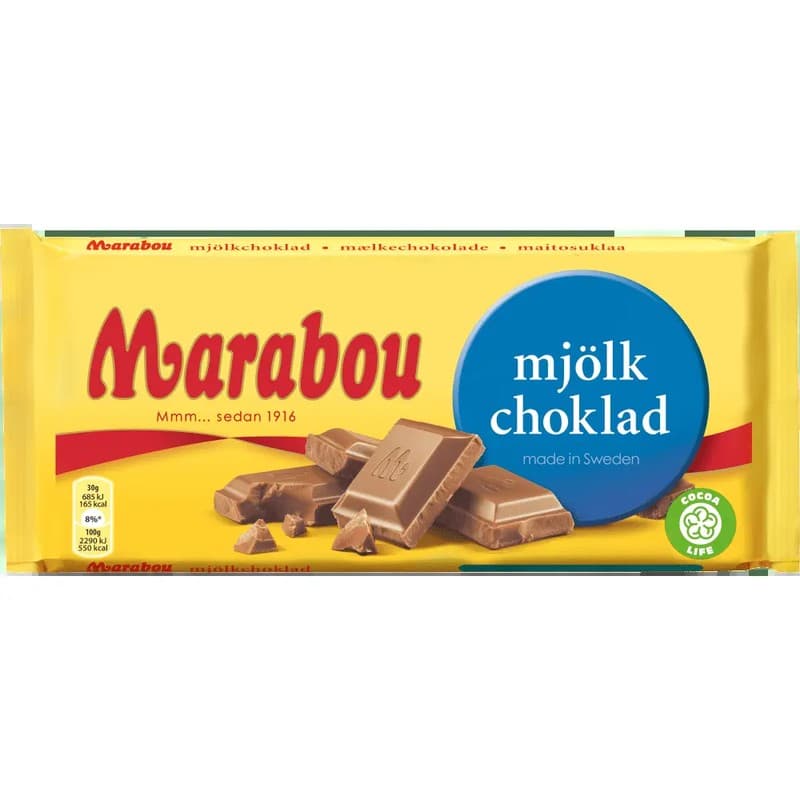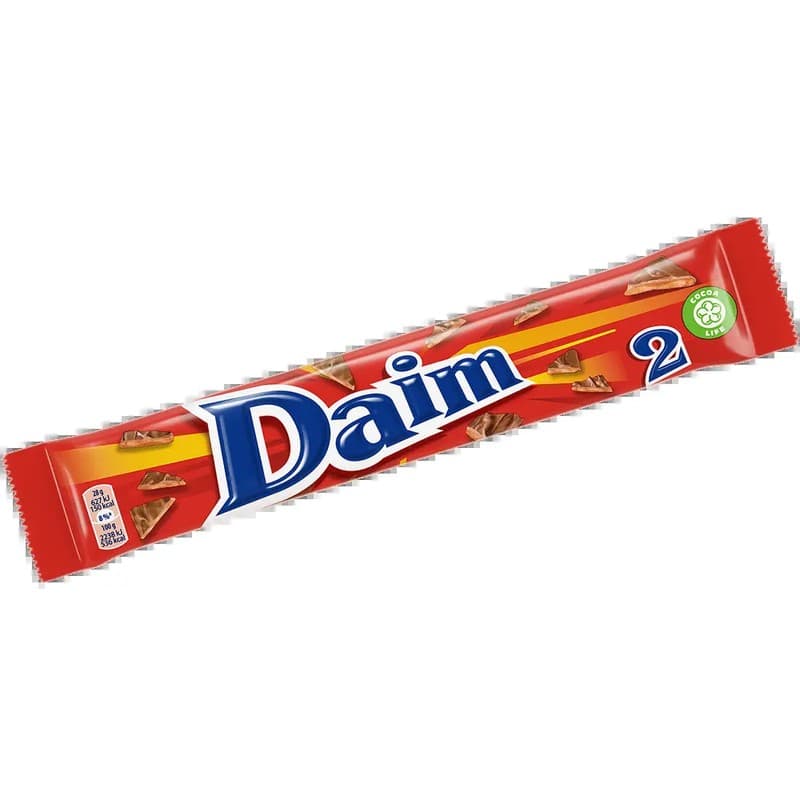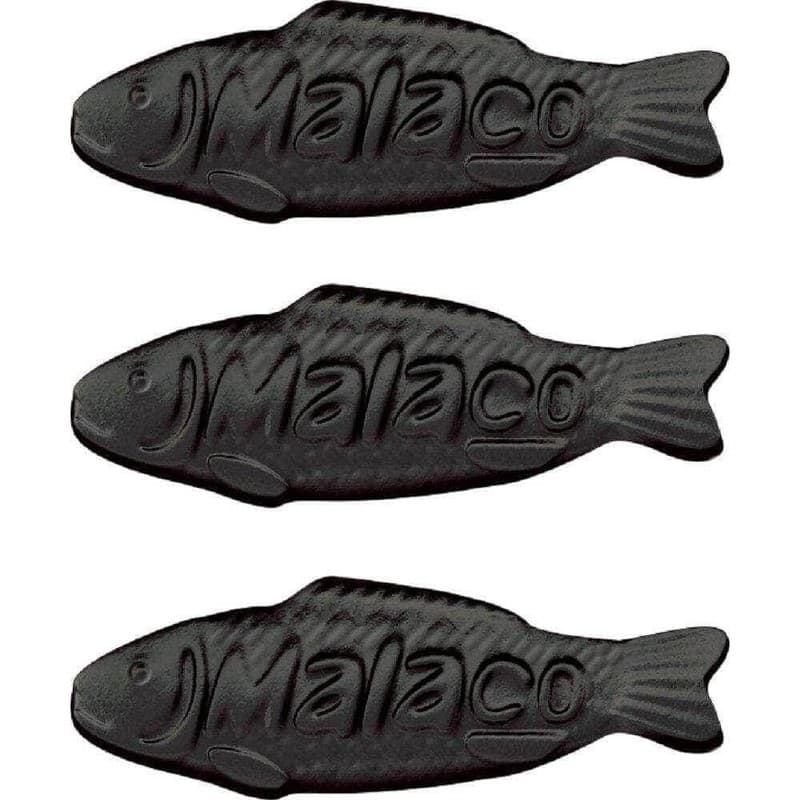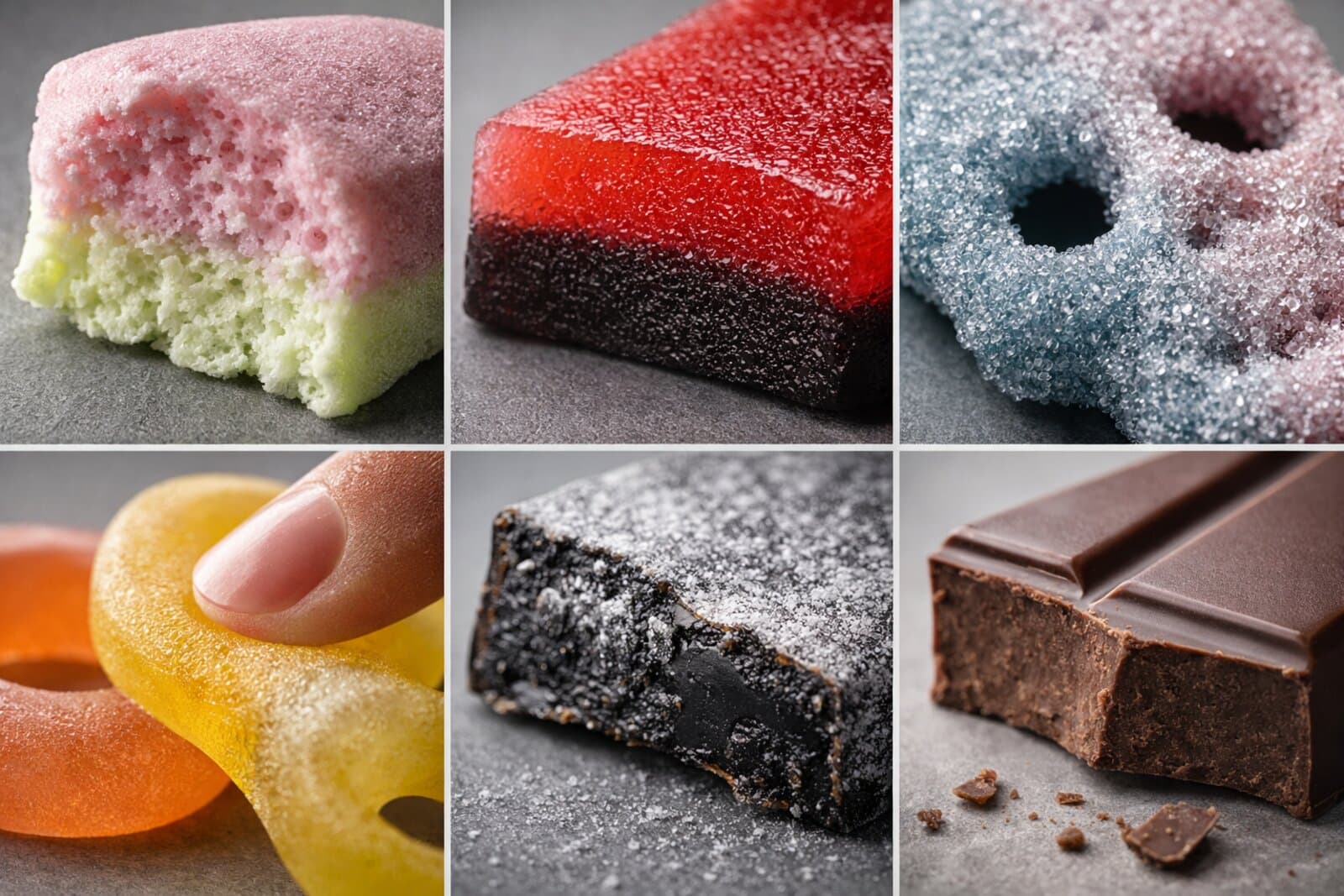
Let's be real: Swedish candy is still candy. It uses real sugar instead of corn syrup, skips most artificial additives, but it's not a health food. Here's the honest sugar content breakdown for the most popular Swedish candies.
Let's Get the Numbers Out of the Way
We're a Swedish candy site, and we love the stuff. But we're not going to pretend gummies are broccoli. Here are the actual sugar numbers:
Sugar Content by Category
| Candy Type | Sugar per 100g | Calories per 100g | Context |
| Swedish gummies (BUBS, Malaco) | 45–55g | 330–360 kcal | Similar to Haribo |
| Sour Swedish candy | 50–60g | 340–370 kcal | Sour coating adds sugar |
| Ahlgrens Bilar | ~55g | ~350 kcal | Marshmallow base |
| Marabou Mjölkchoklad | ~56g | ~530 kcal | Higher cal from fat |
| Swedish licorice | 35–50g | 300–350 kcal | Lower sugar than gummies |
| Salt licorice (salmiak) | 30–45g | 290–340 kcal | Lowest sugar category |
| Daim | ~59g | ~500 kcal | Toffee + chocolate |
How Does This Compare to American Candy?
| American Candy | Sugar per 100g | vs. Swedish |
| Sour Patch Kids | ~80g | 30–40% more sugar |
| Nerds | ~93g | Nearly double |
| Swedish Fish (US) | ~77g | ~40% more sugar |
| Skittles | ~76g | ~35% more sugar |
| Haribo Gold-Bears (US) | ~46g | Comparable |
| Hershey's Milk Chocolate | ~56g | Comparable to Marabou |
| Reese's Cups | ~49g | Comparable |
The takeaway: Swedish gummies have noticeably less sugar than the sweetest American candies (Sour Patch Kids, Nerds, Skittles), roughly comparable sugar to quality gummies like Haribo, and chocolate products are nearly identical in sugar content. The advantage isn't huge, but it's real — especially when compared to American candies that push 80–90g of sugar per 100g.
Sugar vs. HFCS: Why the Type Matters
The sugar content numbers only tell half the story. The type of sweetener matters too.
American candy relies heavily on high-fructose corn syrup (HFCS), which is cheaper than cane sugar in the US thanks to corn subsidies and sugar tariffs. HFCS is a liquid sweetener that's about 55% fructose and 45% glucose — slightly different from regular sugar (50/50 sucrose).
Swedish candy uses real sugar (sucrose from sugar beets) and glucose syrup (not HFCS). Why does this matter?
- Taste: Sugar produces a cleaner, sharper sweetness that peaks and fades. HFCS creates a more lingering, sometimes cloying sweetness. This is why many people describe Swedish candy as "less sweet" even when the sugar content is similar — it's about the sweetness profile, not just the amount.
- Metabolic processing: Some research suggests that the higher fructose content in HFCS may be processed differently by the liver than sucrose. The science is still debated, but the American Heart Association has raised concerns about excessive fructose intake specifically.
- No controversy: Nobody has ever protested sugar beet-derived sucrose. HFCS has been the subject of decades of health debate. From a consumer confidence standpoint, real sugar simply has a cleaner reputation.
Is this a massive health difference? Probably not, if you're eating candy occasionally. But if you eat candy regularly (and let's be honest, many of us do), the cumulative effect of better-quality sweeteners adds up.
The Lördagsgodis Factor: Sweden's Built-In Portion Control
Here's where Swedish candy culture genuinely outshines American candy culture: moderation is built into the system.
Lördagsgodis (Saturday candy) is the Swedish tradition of only eating candy on Saturdays. It originated from the Vipeholm experiments of the 1940s–50s, which demonstrated that frequency of sugar consumption — not just quantity — drives tooth decay. The Swedish Dental Association promoted lördagsgodis as a public health measure, and it stuck. Hard.
The practical result: Swedes consume about 17 kg (37 lbs) of candy per year — one of the highest rates in the world. But because consumption is concentrated into weekly sessions rather than daily grazing, dental health outcomes are actually quite good. Sweden has lower rates of dental caries than many countries with lower overall candy consumption.
The lesson isn't that Swedish candy has less sugar. It's that Swedish candy culture has a healthier relationship with sugar. Eat a lot on Saturday, eat nothing Mon–Fri. Your teeth and your body handle concentrated weekly exposure better than constant daily exposure. (This is oversimplified, but the data supports the general principle.)
Which Swedish Candies Have the Least Sugar?
If you're trying to minimize sugar while still enjoying Swedish candy, here are your best bets:
- Salt licorice (salmiak): 30–45g sugar per 100g. The salty/mineral flavor means less sugar is needed. Saltlakrits is the lowest-sugar mainstream Swedish candy.
- Dark licorice: 35–45g sugar per 100g. Less sweet than gummies.
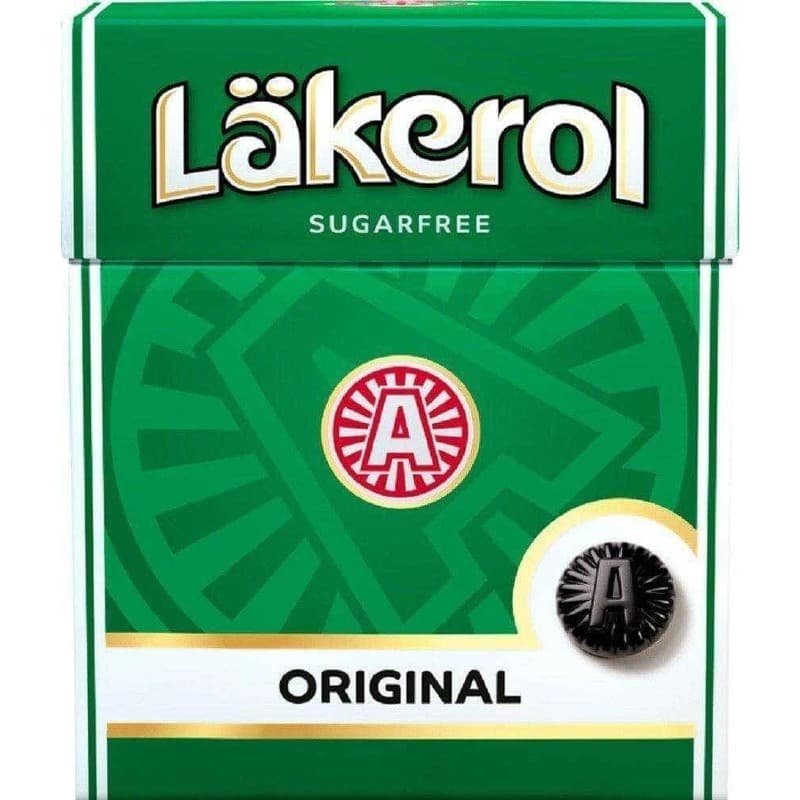
- Läkerol: Sugar-free options available. Läkerol pastilles use xylitol and sorbitol instead of sugar — genuinely low-calorie.
- Dark chocolate (70%+): Higher cocoa content = less sugar. Fazer and Marabou both make dark varieties.
- BUBS gummies: On the lower end of gummy sugar content at 45–50g per 100g.
And the Highest Sugar?
- Sour-coated candy: The sour sugar coating adds 5–10g per 100g on top of the base candy sugar.
- Foam candy (skumgodis): Light and airy, but surprisingly sugar-dense per weight since there's less water content.
- Daim and similar toffee/caramel: The combination of sugar + fat pushes both sugar and calorie content higher.
Practical Sugar Advice for Swedish Candy Lovers
We're not here to tell you not to eat candy. (We literally sell the stuff.) But here are some pragmatic tips:
- Adopt lördagsgodis. Even a partial version — restricting candy to 2–3 days a week instead of daily — makes a meaningful difference for dental health.
- Weigh your portion. A typical satisfying session is 100–150g (about 3.5–5 oz). At the pick-and-mix counter, that looks like a nice handful — not a stuffed bag.
- Mix salty and sweet. Including some salt licorice in your mix means you eat less total sugar, because your palate gets variety without needing more sweetness.
- Drink water, not soda. Swedish tradition is candy + water or candy + coffee (fika). Not candy + Mountain Dew.
- Quality over quantity. One piece of excellent Marabou chocolate is more satisfying than a fistful of cheap American Halloween candy. When the candy is better, you need less of it to feel satisfied.
Frequently Asked Questions
Q: Is Swedish candy actually lower in sugar than American candy?
Slightly, in many cases. Swedish gummies average 45–55g per 100g vs. 60–80g for many American sour/fruit candies. Chocolate is roughly comparable. The bigger difference is sugar type (real sugar vs. HFCS) and overall ingredient quality, not sugar quantity.
Q: Does "no HFCS" really matter?
The health difference between moderate amounts of sucrose and HFCS is probably small. But there are taste, metabolic, and philosophical differences. Real sugar tastes cleaner, doesn't produce the same cloying aftertaste, and isn't the product of a subsidized corn industry. Whether that matters to you is a personal call.
Q: Are there sugar-free Swedish candy options?
Yes — and Sweden's are the best in the category. Läkerol offers sugar-free pastilles sweetened with xylitol and sorbitol, and dedicated brands like Pändy, Tweek, and Wellibites make sugar-free gummy and foam candy. We ranked them all in our sugar free Swedish candy guide. One caveat: sugar-free candy often uses sugar alcohols (like maltitol), which can cause digestive discomfort in larger quantities. The Swedish approach is still more "eat real candy less often" than "eat fake-sugar candy all the time."
Q: How does the Swedish government handle sugar in candy?
Sweden doesn't tax candy specifically (the old "sockerskatt" or sugar tax was abolished in 1993), but public health messaging strongly promotes lördagsgodis and moderate consumption. The dental care system emphasizes prevention, and schools teach the lördagsgodis concept from early childhood. It's culture, not regulation, that controls Swedish sugar intake.
Health & Nutrition Contributor
Registered nurse covering health, ingredients, and food safety for SwedishCrave — facts over fear-mongering.