Cloetta isn't just a candy brand — it's the parent company behind Malaco, Ahlgrens Bilar, and many of Sweden's most beloved sweets. Founded in 1862, this candy empire has been shaping Scandinavian taste buds for over 160 years.
The Cloetta Origin Story
In 1862, three brothers from the Cloëtta family made a decision that would shape Swedish candy culture for the next 160 years. Based in Copenhagen, Denmark, the brothers founded their confectionery company at a time when industrial candy production was beginning to replace artisanal sweets across Europe. The Cloëtta name would become synonymous with quality confectionery across Scandinavia, eventually growing into one of Europe's most significant candy manufacturers.
What started as a small Copenhagen operation didn't stay there long. The brothers recognized that Sweden offered better opportunities for expansion. The move to Ljungsbro, a town in Östergötland in southeastern Sweden, proved pivotal. Ljungsbro became home to Cloetta's primary manufacturing hub — a facility that still operates today and remains one of the most important candy production centers in the Nordic region. The town itself became intrinsically linked to the company's identity, with Cloetta essentially shaping the local economy for generations.
By the early 20th century, Cloetta had established itself as one of the oldest continuous candy manufacturers in the world. Unlike many confectionery companies that emerged and disappeared during Europe's industrial boom, Cloetta survived wars, economic depressions, and massive shifts in consumer preferences. This longevity reflects a commitment to quality and a deep understanding of what Scandinavian consumers wanted in their sweets.
How Cloetta Became a Candy Empire
For much of its existence, Cloetta operated as a regional powerhouse — dominant in Sweden and respected across Scandinavia, but relatively unknown beyond those borders. This changed dramatically at the turn of the millennium through a series of transformative acquisitions and mergers.
In 2000, Cloetta merged with Fazer's confectionery division. Fazer, the Finnish candy and food giant, had decided to refocus its business. This merger created Cloetta Fazer, which suddenly controlled a vastly expanded portfolio of brands and manufacturing capacity across the Nordic region. The combined entity became a serious competitor to Europe's largest candy manufacturers.
The biggest transformation came when the company acquired Leaf International's Nordic operations. Leaf International owned several beloved Nordic brands, most crucially Malaco — one of Sweden's most iconic candy manufacturers. This acquisition didn't just add another brand to the portfolio; it fundamentally reshaped the company. Malaco brought an enormous portfolio of gummy candies, licorice products, and confections that were household names across Sweden, Norway, Denmark, and Finland.
Following this expansion, the company simplified its corporate structure. The Fazer name gradually disappeared, and the company rebranded as simply Cloetta AB, reflecting its Swedish origins. Cloetta went public on Nasdaq Stockholm under the ticker CLA B, making it a publicly traded company. Going public provided the capital needed for continued expansion and modernization of manufacturing facilities.
What's remarkable about Cloetta's strategy is that it hasn't tried to become a global mega-corporation competing with Mars or Nestlé worldwide. Instead, the company deliberately positioned itself as the dominant player in Nordic and Northern European markets, where it understands consumer tastes intimately. This focus has proven immensely profitable.
The Brands Under the Cloetta Umbrella
One of the most striking things about Cloetta's portfolio is how many beloved brands exist under a single corporate roof without the average consumer realizing it. When a Swedish child reaches for Ahlgrens Bilar, a piece of Djungelvål, or a Kexchoklad bar, they're engaging with Cloetta products — often without knowing the parent company's name.
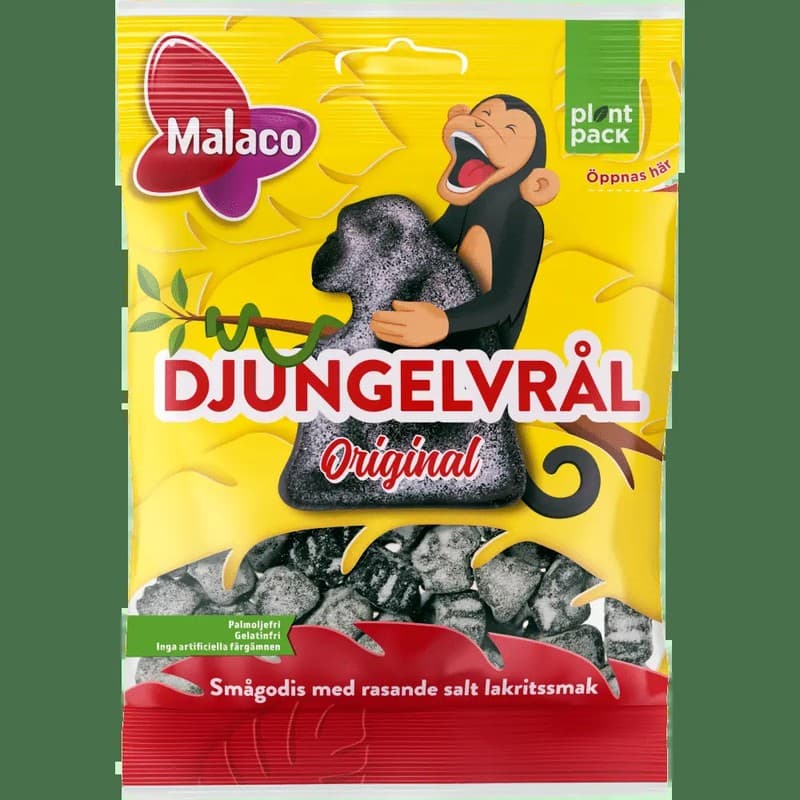
Malaco represents perhaps the crown jewel of Cloetta's acquisitions. Founded in 1934, Malaco built its reputation on exceptional gummy candies and licorice. The brand is virtually synonymous with quality gummies in Scandinavia, and its product range is staggering — from simple gummy bears to Djungelvål, the infamous salty licorice that terrifies Americans and delights Scandinavians.
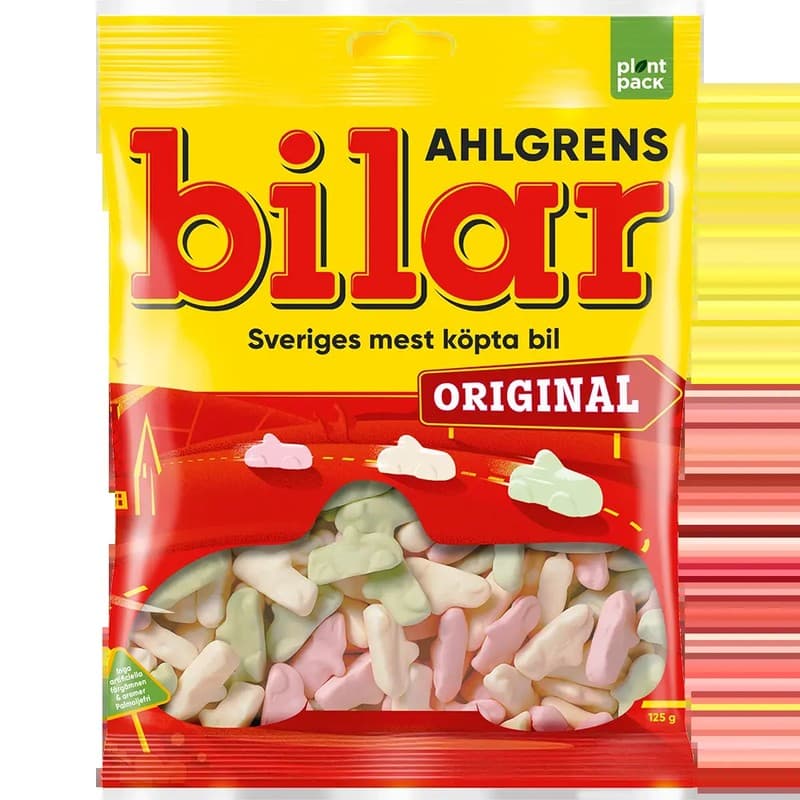
Ahlgrens is Cloetta's other iconic Swedish brand, best known for Ahlgrens Bilar — the foam candy cars that are simultaneously kitsch and deeply beloved. Beyond the cars, Ahlgrens produces other foam candies and fruit-flavored sweets that have been part of Swedish childhood for generations.
Läkerol represents Cloetta's presence in the sugar-free and functional candy market. Originally designed as a pastille, Läkerol has evolved into a range of products targeting health-conscious consumers who want something sweet without the sugar.
Candy King is Cloetta's infrastructure play in the pick-and-mix market. This brand provides both the sweets and the point-of-sale displays that have become iconic in Swedish stores and shopping centers. Those distinctive candy display stands with plastic bins and self-service scoops? Almost always Candy King, stocked primarily with Cloetta products.
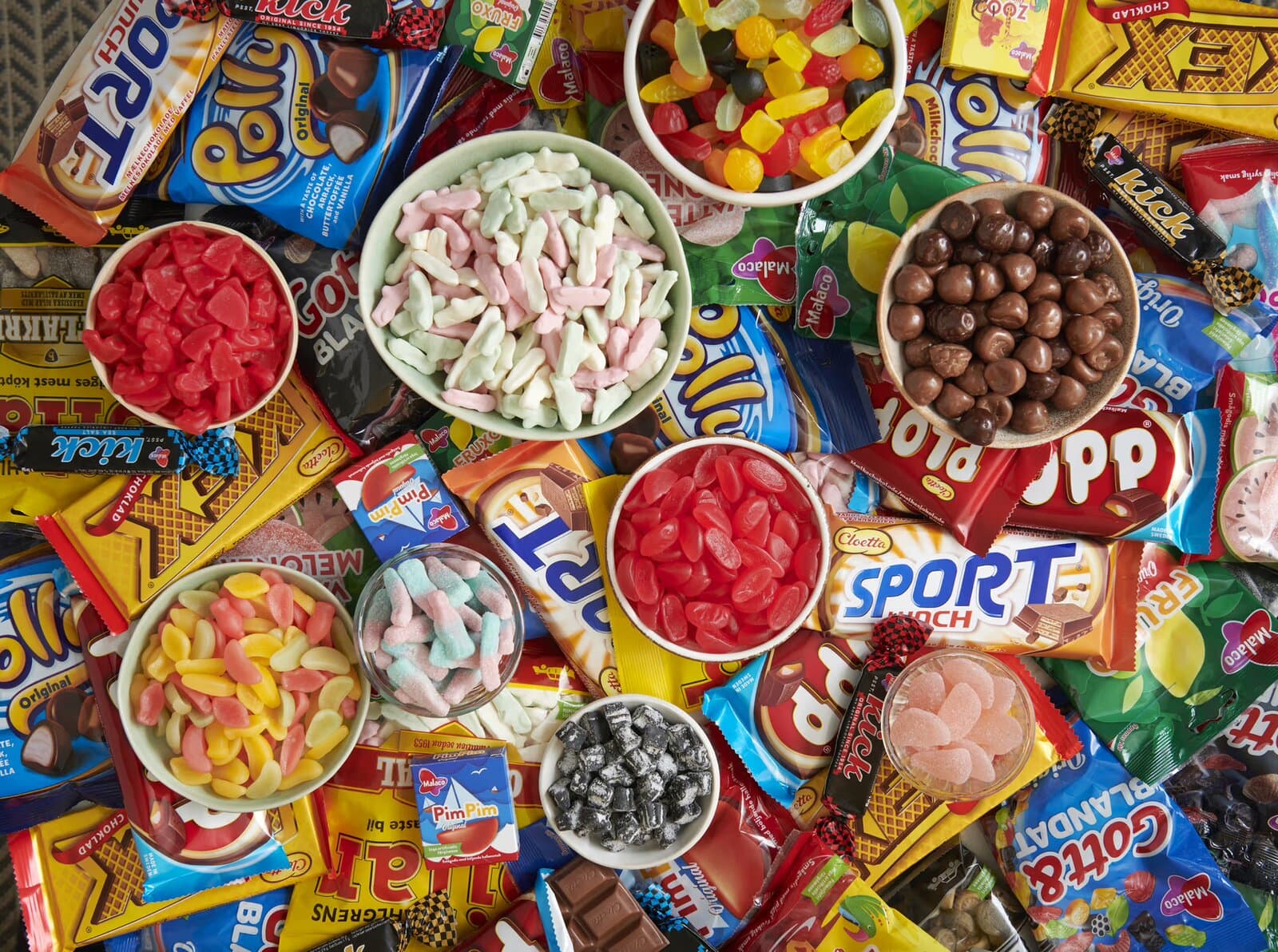
Kexchoklad, Center, Polly, Jenkki (chewing gum), and numerous other brands round out the portfolio. This depth means there's almost no demographic or taste preference in the Nordic candy market that Cloetta doesn't have a product for.
Ahlgrens Bilar: Sweden's Most Sold Candy by Weight
If you want to understand Cloetta's cultural significance, understanding Ahlgrens Bilar is essential. These small foam candy pieces shaped like automobiles are not just a candy — they're a cultural artifact that has transcended their original purpose to become a symbol of Swedish pop culture itself.
Ahlgrens Bilar were first produced in 1953, making them one of the oldest continuously produced candies in Sweden. The original three flavors — a fruit trio that remains fundamentally unchanged today — established the product line that has endured for over 70 years. Swedes don't want innovation here. They want the familiar taste they grew up with, delivered exactly the same way every single time.
The numbers are staggering. Ahlgrens Bilar is Sweden's single best-selling candy by weight, with annual sales exceeding 3.3 million kilograms. That's approximately 600 "cars" per Swedish resident per year. No other single candy product in Sweden comes close to these figures.
Part of this dominance stems from the lördagsgodis tradition — Saturday candy. Swedish children typically receive a weekly candy allowance on Saturday, and Ahlgrens Bilar are often a default choice. The candy's small size, distinctive car shape, and three appealing flavors make it perfect for the pick-and-mix format standard in Swedish retail. A child can select a handful in seconds, creating a balanced assortment for a small spend.
It's worth clarifying what Bilar actually are, because they're often misdescribed. They're not marshmallow, not marzipan, and not traditional gummy candy. They're a unique foam candy — light, airy, slightly chewy, with a texture that doesn't really have an American equivalent. The closest comparison might be circus peanuts, but Bilar are better-tasting and less divisive. The foam texture is part of what makes them so addictive — they practically dissolve on your tongue.
Kexchoklad: The Swedish Kit-Kat Alternative
While Ahlgrens Bilar dominates the small candy category, Kexchoklad represents Cloetta's strength in the chocolate bar market — territory where it competes directly against massive multinationals yet maintains fierce consumer loyalty.
Kexchoklad is often described as Sweden's answer to Kit-Kat, but this comparison undersells the product. While Kit-Kat has become the global standard for wafer chocolate bars, Kexchoklad developed its own identity in the Swedish market and never needed to position itself as an alternative to anything. Swedish consumers have their own preferences, and many actually prefer Kexchoklad's crispier wafer layers and subtly different chocolate formulation.
The chocolate bar category in Sweden is interesting because unlike many European markets, it hasn't been entirely dominated by global brands. Nestlé, Mars, and other multinationals certainly have presence, but Swedish brands maintain remarkable shelf space and consumer preference. Kexchoklad's enduring success — built on understanding exactly what texture and flavor profile Swedish consumers want in a wafer bar — demonstrates that local heritage still matters enormously in candy purchasing decisions.
Cloetta's Role in Swedish Candy Culture
To understand Cloetta's true importance, you have to understand the infrastructure of Swedish candy consumption. The lördagsgodis tradition doesn't just involve buying candy — it involves a specific retail experience. And Cloetta, through the Candy King brand, essentially owns that experience.
Those distinctive candy display stands in Swedish stores with their plastic bins and self-service scoops? Almost always Candy King branded and stocked with Cloetta products. For millions of Swedish children over several decades, the experience of choosing Saturday candy has meant walking to a Candy King display and selecting from a colorful assortment of Cloetta-made sweets.
This gives Cloetta a market position that transcends simple brand loyalty — it's embedded in cultural practice and childhood memory. When a Swedish adult remembers their Saturday candy experience, they're remembering interacting with Cloetta products. This memory advantage is worth more than any marketing campaign could ever produce.
Beyond lördagsgodis, Cloetta's products have become standard components of Swedish social rituals and seasonal traditions. Certain products are associated with specific holidays. Others appear reliably at every office fika. The company has carefully maintained these associations through consistent product availability, ensuring that when Swedes reach for candy during culturally significant moments, Cloetta products are always within arm's reach.
Cloetta Today: A Publicly Traded Candy Company
As a publicly traded company on Nasdaq Stockholm under the ticker CLA B, Cloetta operates under the scrutiny of quarterly earnings reports and analyst expectations. But it also benefits from access to capital markets for continued expansion and modernization.
Cloetta's financial performance has generally been robust, reflecting the resilience of candy as a consumer category. Confectionery has proven surprisingly stable during economic downturns — candy consumption often increases during recessions as consumers seek affordable indulgences. The "lipstick effect" applies to candy just as much as cosmetics.
Geographically, Cloetta operates primarily across the Nordic countries — Sweden, Norway, Denmark, and Finland — with significant operations in the Netherlands and some presence in other European markets. This geographic concentration is intentional. Rather than attempting global expansion, Cloetta has deepened its market penetration in regions where it has established heritage and consumer understanding.
The company has invested significantly in modern manufacturing, sustainability initiatives, and product innovation while maintaining respect for its heritage brands. New products appear regularly, particularly in response to health-conscious trends like reduced sugar or natural ingredients. But the company hasn't abandoned its classic products in pursuit of trends — a balance that acknowledges both market realities and hard-earned brand equity.
Looking forward, Cloetta faces the same challenges as all traditional candy manufacturers: changing preferences toward healthier snacking, competition from modern startups, and the need to remain relevant to younger consumers without alienating the older generations who form the core of consumption. Their strategy of introducing new product lines while fiercely protecting established revenue generators — Ahlgrens Bilar, Malaco, Kexchoklad — appears to be working. These heritage products show no signs of declining consumer demand, which suggests that Cloetta's next 160 years might look as successful as its first.
🍬 Try Cloetta's Swedish Candy Brands
Ahlgrens Bilar, Malaco classics, and more from Sweden
Shop Cloetta Brands at Mums →Frequently Asked Questions
What brands does Cloetta own?
Cloetta owns an extensive portfolio including Malaco (gummies and licorice), Ahlgrens Bilar (foam candy cars), Kexchoklad (wafer chocolate), Läkerol (sugar-free pastilles), Jenkki (chewing gum), Candy King (pick-and-mix infrastructure and products), Center, Polly, and numerous other regional brands. Together, these brands control a significant share of candy consumption across the Nordic region.
Is Cloetta a Swedish or Danish company?
Although the Cloëtta brothers founded the company in Copenhagen in 1862, Cloetta has been a Swedish company since the late 19th century when it relocated to Ljungsbro, Sweden. It's publicly traded on Nasdaq Stockholm and operates primarily in Nordic and Northern European markets. It's best described as a Swedish-based company with Scandinavian heritage.
Why are Ahlgrens Bilar so popular in Sweden?
Ahlgrens Bilar became deeply embedded in Swedish culture through the lördagsgodis (Saturday candy) tradition. Their small size, distinctive car shape, and appealing flavors made them perfect for pick-and-mix selection, and generations of Swedish children have purchased these foam cars as their regular Saturday treat. Cultural entrenchment combined with consistent quality over nearly 70 years has made them Sweden's most sold candy by weight — over 3.3 million kilograms per year.
Can I buy Cloetta products in the US?
Yes, many Cloetta products are available in the US through specialty candy retailers, Swedish food importers, and online retailers like Amazon. Ahlgrens Bilar, Malaco products, and Kexchoklad are among the most readily available internationally. Selection and pricing vary, but the growing interest in Swedish candy has made these products increasingly accessible. Check our guide to buying Swedish candy for the best options.
What's the difference between Cloetta and Malaco?
Cloetta is the parent company; Malaco is one of the brands within Cloetta's portfolio. Malaco was an independent candy company founded in 1934 that became part of Cloetta through corporate mergers. Today, Malaco operates as a distinct brand under the Cloetta AB umbrella, maintaining its own product identity, development, and loyal consumer following. Think of it like how Frito-Lay is a brand within PepsiCo — Malaco is a brand within Cloetta.

Founder & Editor
Former Swedish candy & FMCG professional turned US-based founder of SwedishCrave. Built the site to fill the gap he saw when he moved stateside.